


Konjac Glucomannan Powder / Flour Supplier
Konjac Glucomannan Powder / Flour Supplier
The Konjac Foods Glucomannan Powder is widely used in the food industry for its thickening, stabilizing, and gelling properties.
We are a trusted konjac gum manufacturer, and our glucomannan flour never compromises on quality.
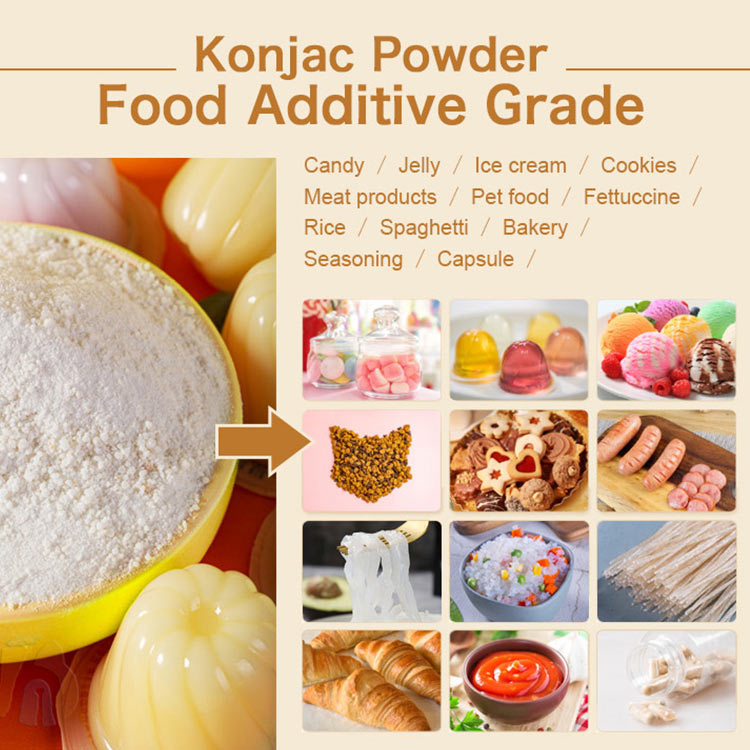
The Konjac Glucomannan Powder is made from the finest quality konjac root extract flour.
Our amazing product is the perfect meal replacement for anyone who wants to shed those unwanted pounds and feel great.
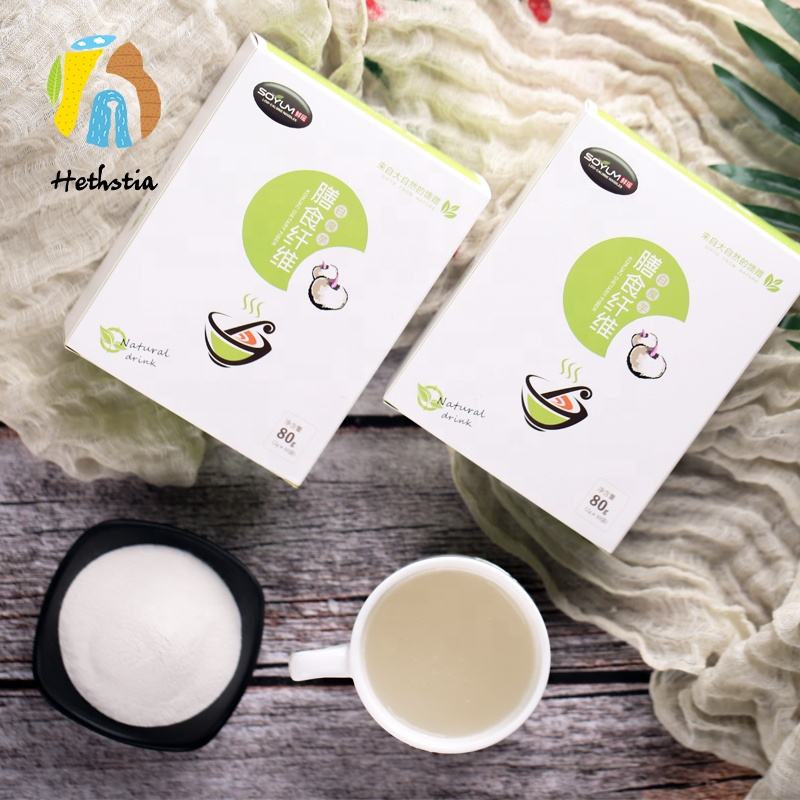
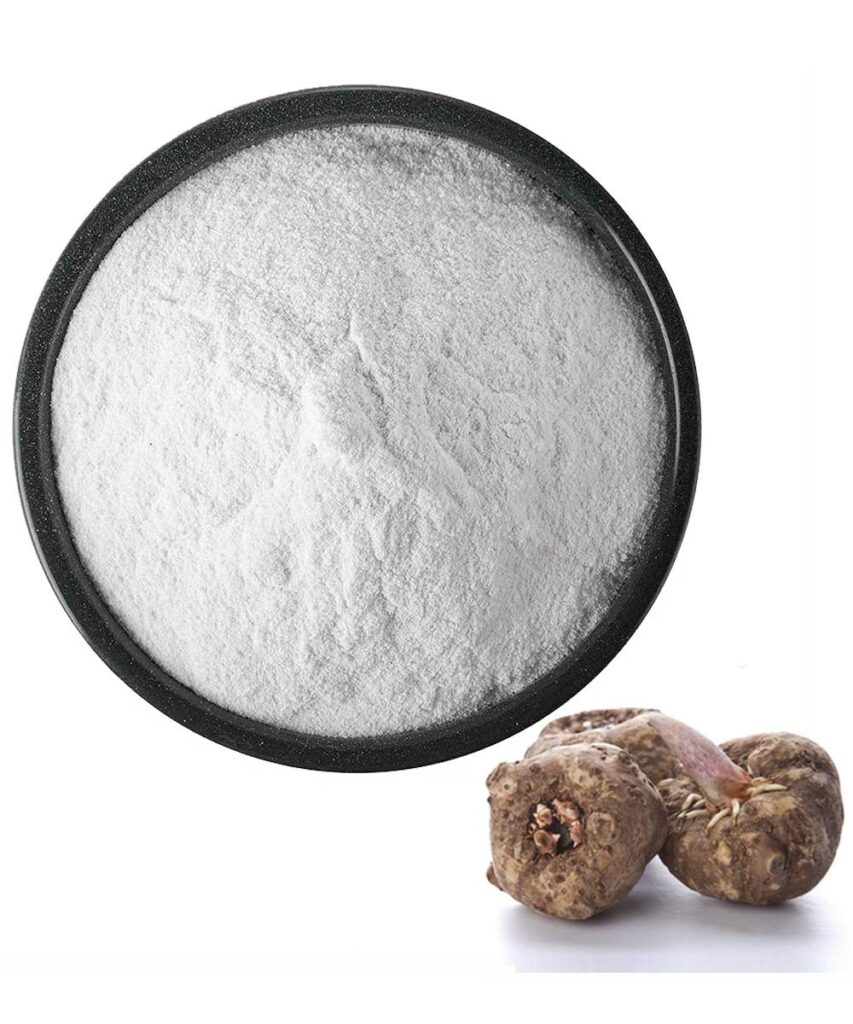
How can konjac powder change the way you eat healthy?
A Keto Diet’s Best Friend: Embrace the power of konjac powder keto magic. As a low-carb flour, it’s an ideal choice for maintaining a state of ketosis, offering you the flexibility to create delightful baked goods without the carb load.
Gluten-Free Goodness: For those with gluten sensitivities or celiac disease, the question “Is konjac flour gluten-free?” is met with a resounding “Yes!” Dive into a world of gluten-free recipes, where konjac flour shines as a safe and nutritious option.
Dietary Fiber Dynamo: With its high dietary fiber content, konjac flour supports digestive health, aids in maintaining a feeling of fullness, and can contribute to weight management efforts.
Pure and Natural: Our commitment to purity and quality shines through in our konjac flour. Free from GMOs, sugar, fat, and any artificial additives, it’s the epitome of a clean, all-natural product. This commitment ensures you can trust what you’re adding to your meals, prioritizing health without compromise.
Konjac Glucomannan Powder / Flour Sample Test
SGS Chemical Test 4 packets ca.100g sample in the packet
Notes : Conversion factor of nitrogen to protein is 6.25
| Test ltem(s) | Unit | Test Method(s) | Test Result(s) 001 | MDL |
| Total fat | g/100g | AOAC 996.06 | ND | 0.01 |
| Saturated fat | g/100g | AOAC 996.06 | ND | 0.01 |
| Dietary Fiber | g/100g | AOAC 991.43 | 90.9 | – |
| Sodium (Na) | mg/100g | AOAC984.27,analysis was performed by ICP-OES | 7.1 | 0.1 |
| Protein | g/100g | AOAC 2001.11 | 0.580 | – |
| Moisture | g/100g | AOAC 925.10 | 10.1 | – |
| Ash | g/100g | AOAC 930.05 | 0.6 | – |
| *Glucomannan | % | GBIT 18104-2000 | 91.3 | – |
Calculate Result
Notes : Energy, Carbohydrate calculation method is reference to REGULATION (EU) NO 1169/2011 OF THEEUROPEAN PARLIAMENT AND OF THE COUNCIL OF 25 October 2011.
| Calculate Item(s) | Unit | Calculate Method(s) | Calculate Result(s) 001 |
| Energy Carbohydrate | kJ/100g g/100g | REGULATION (EU) NO 1169/2011 REGULATION (EU) NO 1169/2011 | 700 <0.1 |
You may also need
FAQs
1. What is gluten?
Gluten is a collective name for wheat gluten and alcohol soluble proteins, which are mainly found in wheat, barley, rye and their hybrid grains.
Things like bread, biscuits, pastries, steamed buns and dumplings are all gluten-containing foods.
2. Is "gluten" the same thing as "bran"?
“Gluten” is a mixture of a range of proteins in the endosperm, which is essentially protein.
The “bran” is the seed coat removed before fine processing.
The hull – commonly known as the “bran” – is the outermost, dark yellow layer of the wheat kernel, which is removed during the finishing process to obtain a clean, white flour.
The main components of bran are fiber, B vitamins, and trace elements.
3. Why gluten allergies?
About 30% of all allergies in humans are foodborne, which means they are allergic to something they eat, and most of these foodborne allergens are usually proteins!
Gluten-containing cereals and their products (e.g. wheat, rye, barley, etc.).
Crustaceans and their products (e.g. shrimps and crabs, etc.).
Fish and their products, eggs and their products, peanuts and their products, pulses and their products (e.g. soya beans, peas, fava beans, etc.).
Milk and dairy products (e.g. cow’s milk, goat’s milk, etc.), and nuts and their nuts and their products (e.g. almonds, walnuts, nuts, cashew nuts, etc.).
4. What is gluten-free?
According to the US FDA‘s regulations on gluten-free products, the gluten content is less than 20 ppm, which means that the gluten content in the food must be less than 20mg/kg for it to be labeled as gluten-free.
The “gluten-free labeling” standard is more popular in Western countries, with different national standards. Including 20 ppm in the US, Canada, and Europe, 3 ppm in Australia, Israel, and New Zealand, and less than 5 ppm in gluten-free pasta. This is close to the most stringent gluten-free standard in the world.
5. What is the difference between Konjac Powder, Konjac Flour, and Glucomannan Powder?
Konjac Powder and Konjac Flour are general terms for powdered konjac root, while Glucomannan Powder refers to a more purified form with a higher concentration of soluble dietary fiber. Glucomannan Powder is commonly used in dietary supplements and functional food formulations, whereas Konjac Flour is often used to make noodles, rice alternatives, and jelly products.
6. Does Glucomannan help with weight management?
Glucomannan is a soluble fiber that absorbs water and forms a gel-like texture in the stomach, which may help increase feelings of fullness when consumed with water as part of a calorie-controlled diet. Maintaining a healthy weight also depends on overall eating habits and regular physical activity.
7. What are the possible side effects of Konjac Powder?
Konjac Powder is generally safe when consumed as directed. Because it is high in soluble fiber, some people may experience temporary bloating, gas, or mild digestive discomfort, especially when first increasing their fiber intake. Drinking plenty of water is recommended.
8. How long does it take to see results when using Glucomannan for weight management?
Results vary from person to person. When combined with a balanced diet and regular exercise, glucomannan may support weight-management efforts over time. It should not be viewed as a quick solution, and long-term healthy lifestyle habits remain essential.