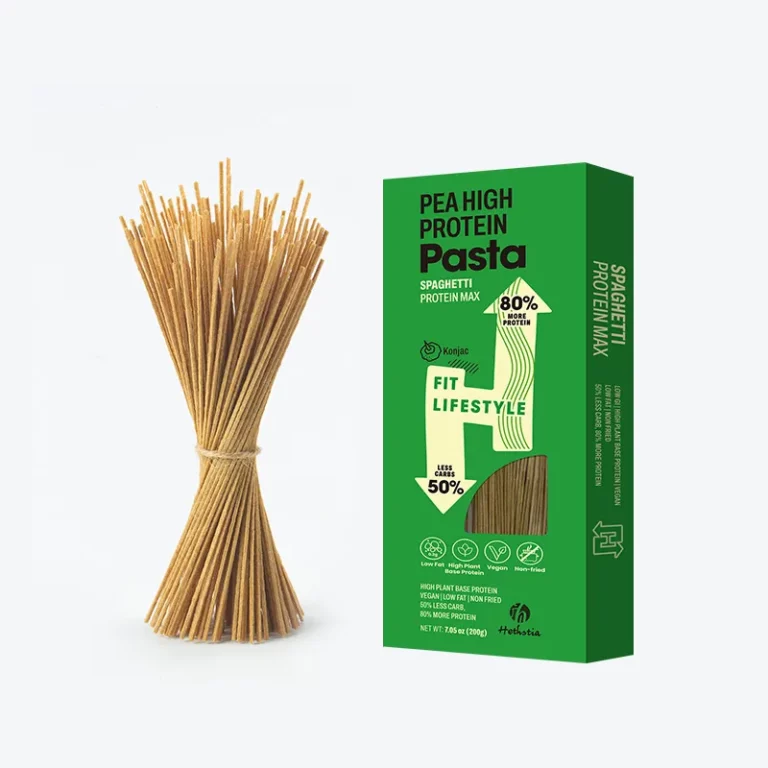
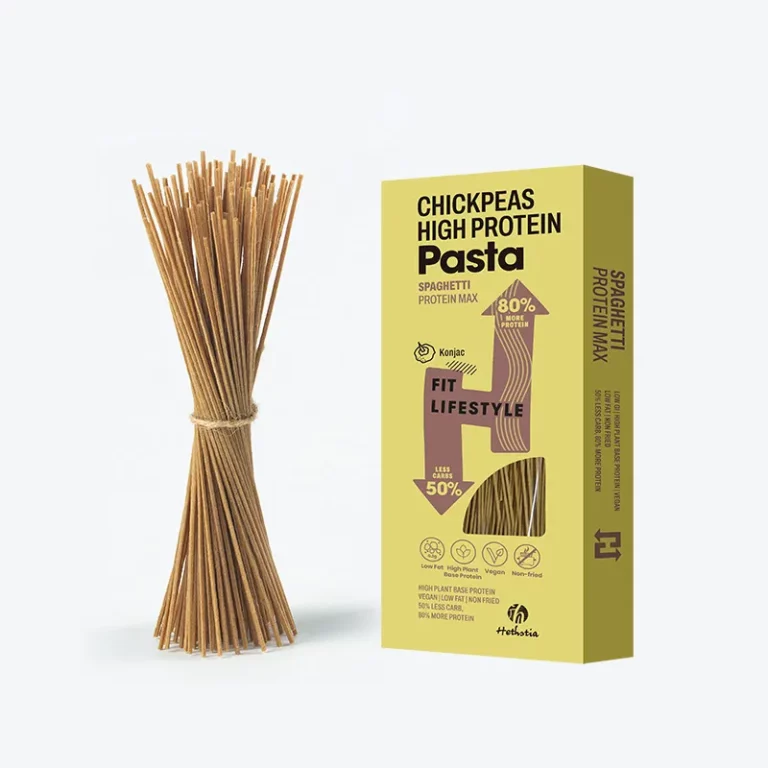
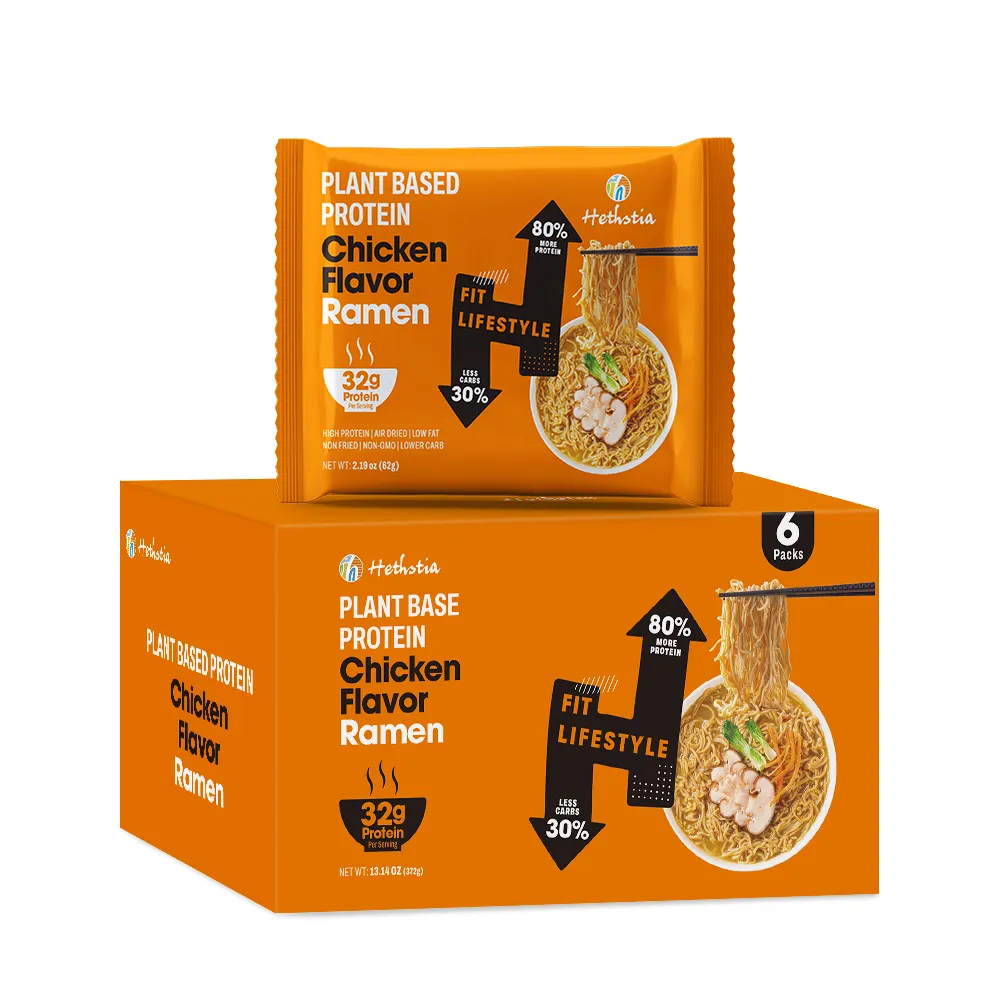
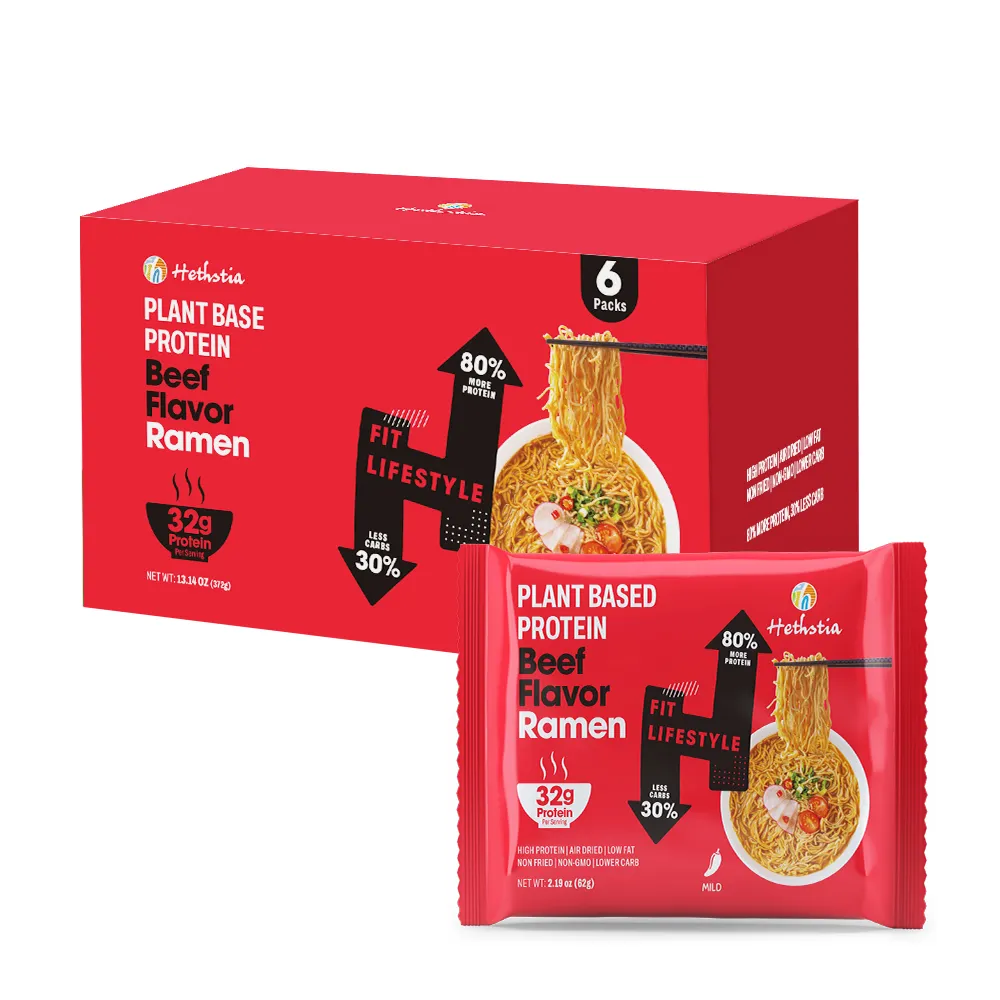
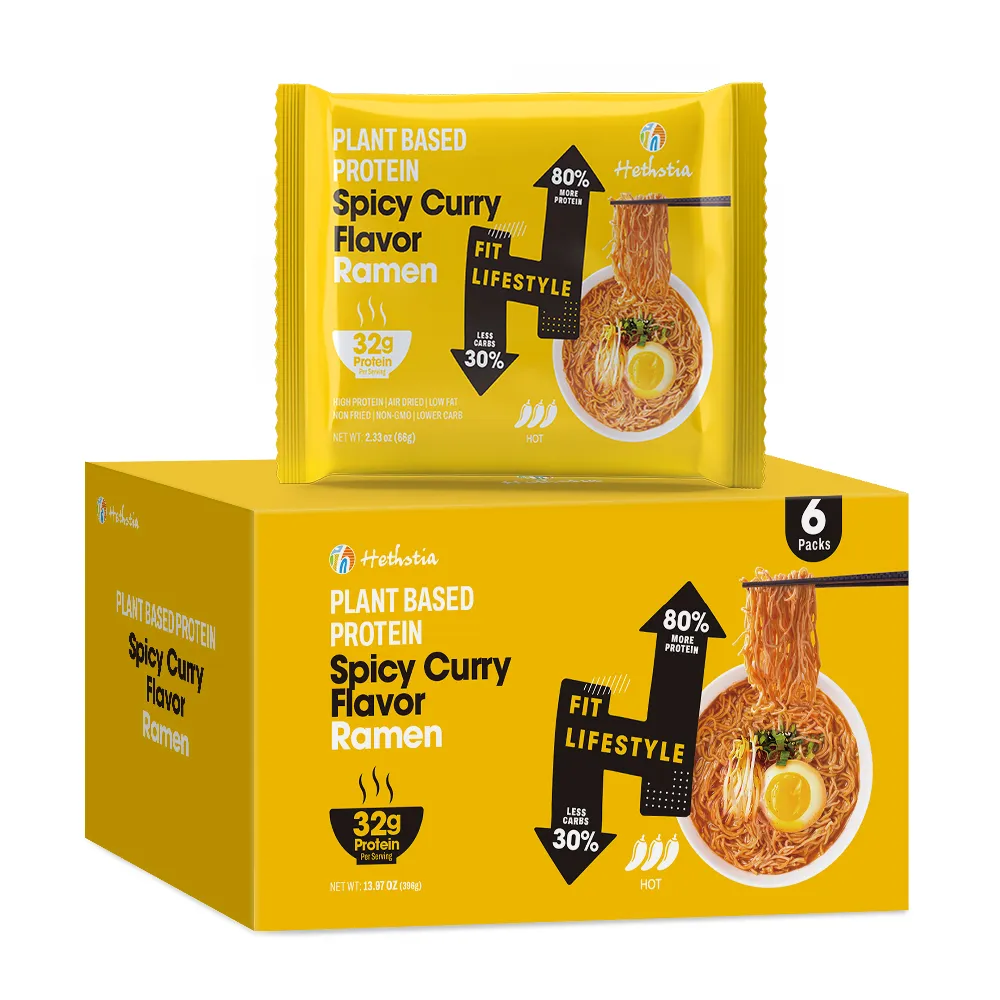
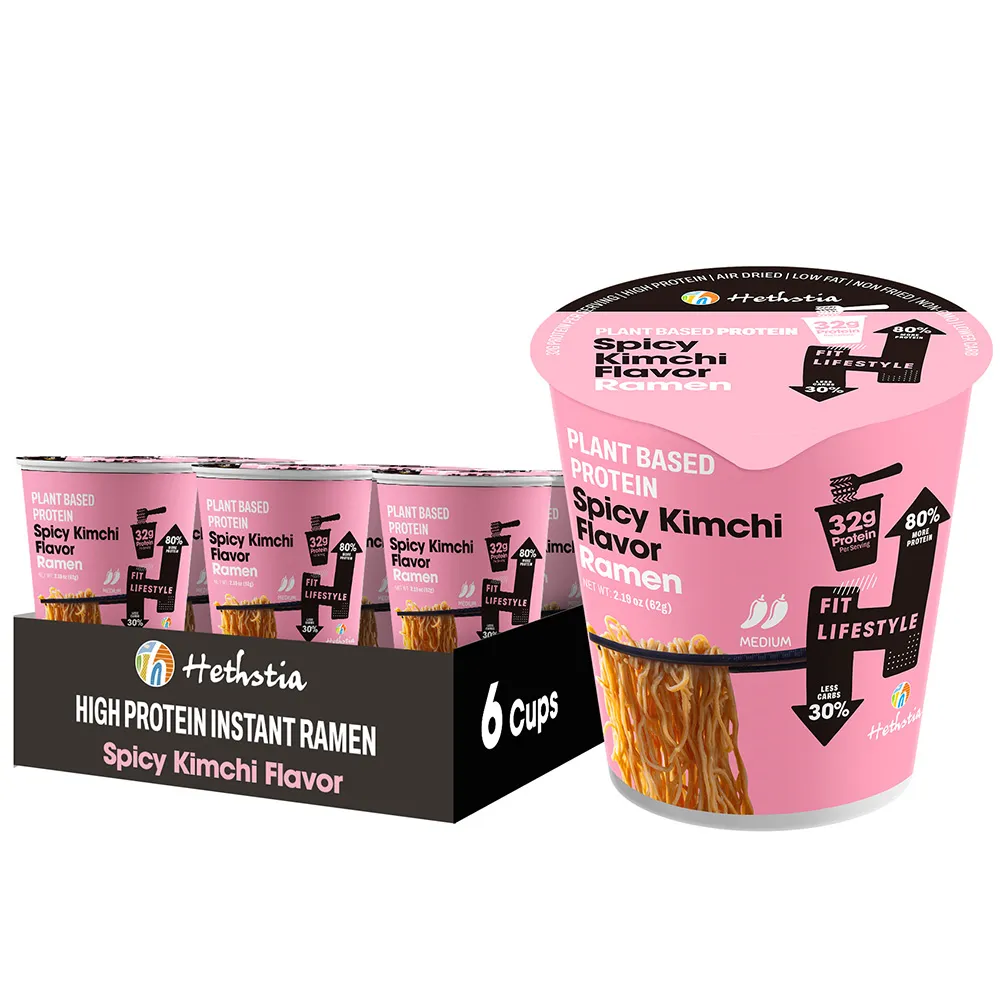
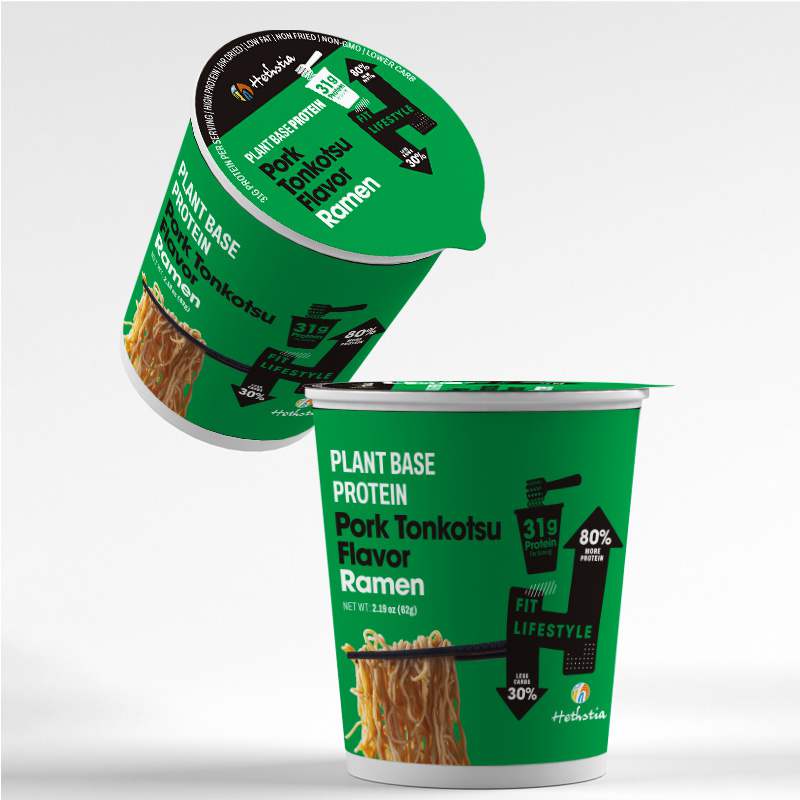
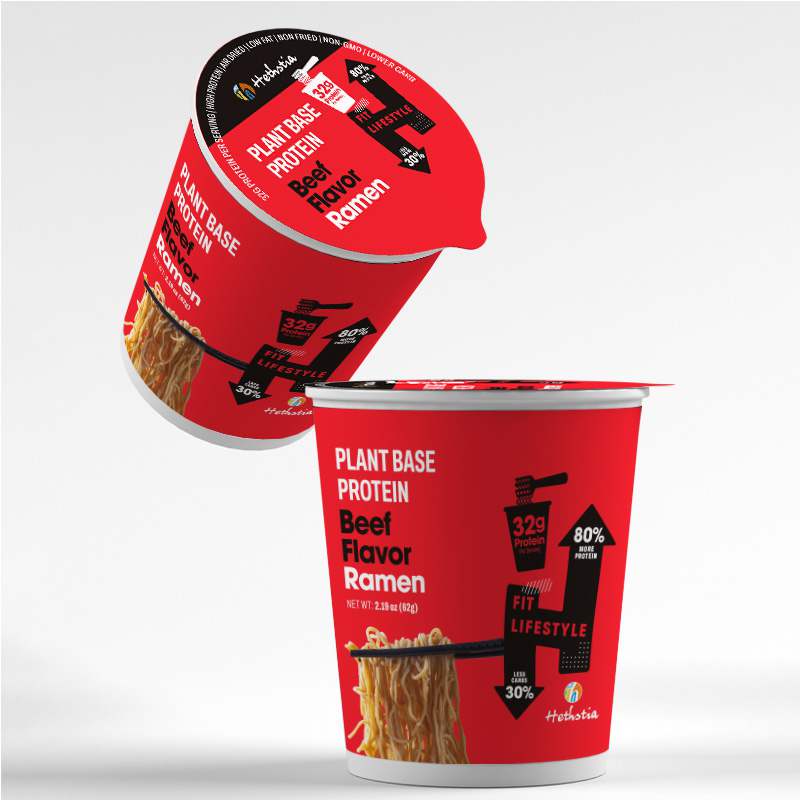
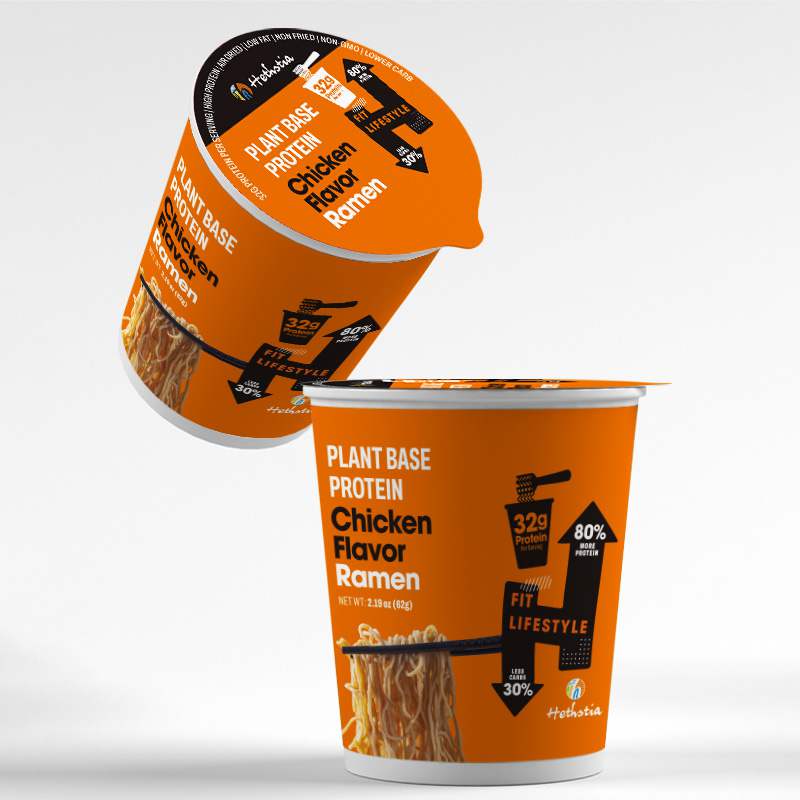
This blend of Pea Protein Powder, Soy Protein Powder, Gluten Powder, Wheat Flour, Konjac Flour, Resistant Dextrin, and Sodium Carbonate not only provides a pleasurable eating experience but also complies with a healthy lifestyle.
Whether you’re looking to craft a low-calorie pasta dish, explore high-protein pasta recipes, or simply enjoy a meal that aligns with your health goals, this pasta is your companion on this journey.
Hethstia organic chickpea pasta (spaghetti) is a delicious, high-protein alternative to traditional pasta. This pea protein pasta offers a perfect blend of taste and health.
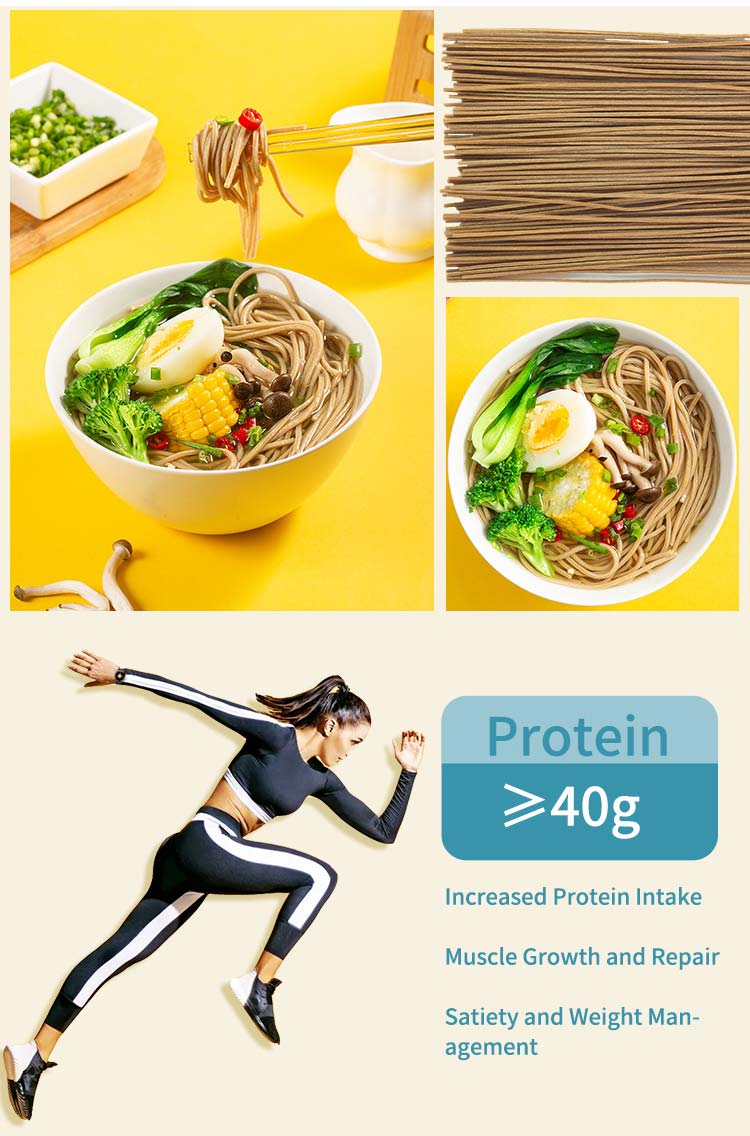
Hethstia’s pasta emerges as the ultimate choice for anyone navigating the journey toward a balanced diet. It’s a carefully crafted experience designed to fuel your body with high-quality protein, essential for muscle repair and growth.
With its low-calorie content, this pasta also is an ideal option for weight management, offering satisfaction without the guilt associated with traditional pasta.
Our high protein noodles bulk, crafted with non-GMO ingredients, underscore our commitment to your health. It ensures that every bite is trustworthy and delicious.
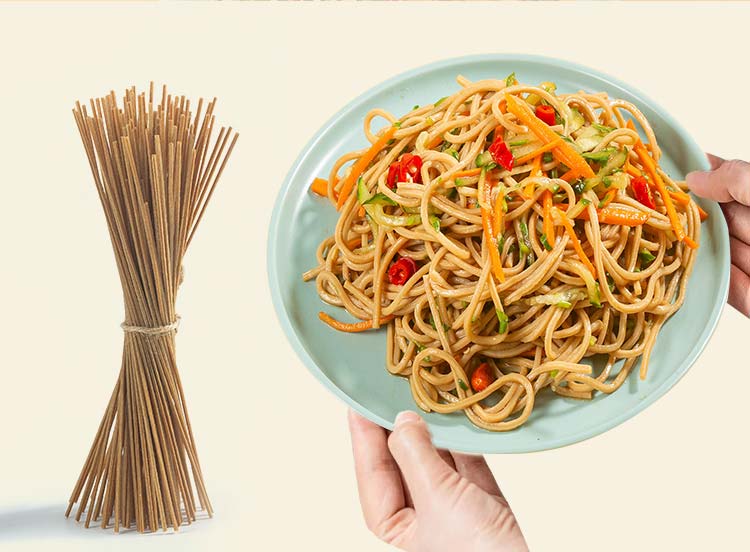
Whether you’re in the mood for a refreshing high-protein pasta salad or a hearty serving of high-protein vegan pasta, our product is the perfect canvas for your culinary creations.
Our high protein noodles bulk compatibility with vegetarian pasta recipes with protein ensures that everyone, regardless of dietary preferences, can partake in the joy of a good meal.
Is high protein pasta better for you than regular pasta?
Yes — high-protein pasta can be “better” if you want more protein, fiber, and satiety from your meal. But regular pasta still fits in a healthy diet when paired with good sources of protein and vegetables.
Can you have protein pasta on a low-carb diet?
Yes, protein pasta can fit a low-carb diet. Choose legume or soy-based varieties, not wheat. Keto dieters should stick to konjac or similar ultra-low-carb options.
Does high protein pasta have less carbs?
High-protein pasta does NOT automatically mean fewer carbs. Wheat, chickpea, and lentil protein pastas are still carb-heavy. Soy, edamame, lupin, and konjac pastas are truly lower-carb.
Is protein pasta healthier than rice?
Yes, protein pasta is often healthier than rice for protein intake, fullness, and blood sugar control. Rice isn’t unhealthy, but it’s mainly a carb source. The best choice depends on whether your priority is protein, energy, or digestibility.
Is protein pasta ok for weight loss?
Yes, protein pasta can support weight loss. It’s usually better than regular pasta for fat loss. Choose high-protein, high-fiber, lower-carb varieties. Keep portions and sauces in check.
Is pea protein a highly processed food?
Yes, pea protein is processed, but it’s not inherently unhealthy. It’s best viewed as a functional, processed ingredient, not junk food. The overall product quality matters more than the protein source alone.
What is the downside of pea protein?
Pea protein is useful, but not ideal as a sole protein source. Best used: As part of a mixed diet, alongside whole foods, and in clean-label products. Less ideal if: You rely on it exclusively, have a sensitive gut, and avoid processed foods entirely.
Does pea pasta spike blood sugar?
Pea pasta is better than regular pasta for blood sugar. It’s not blood-sugar-neutral; portion size and meal composition matter most.
Are chickpeas actually high in protein?
Chickpeas are moderately high in protein — not truly high-protein by nutrition standards. They’re moderate-protein, high-carb legumes.