

For decades, the crinkle of a foil packet and the sound of boiling water have signaled one thing: comfort. Instant ramen is a global phenomenon, a dietary staple for college students, a quick fix for busy parents, and a guilty pleasure for late-night snackers. It is cheap, shelf-stable, and undeniably delicious. However, as our collective understanding of nutrition evolves, the glossy facade of the traditional instant noodle block is beginning to crack.
Consumers are no longer satisfied with empty calories. The modern palate demands fuel, not just filler. This shift has ignited a search for a healthy alternative to ramen noodles—a meal that offers the same warmth and convenience as the original but without the nutritional baggage.
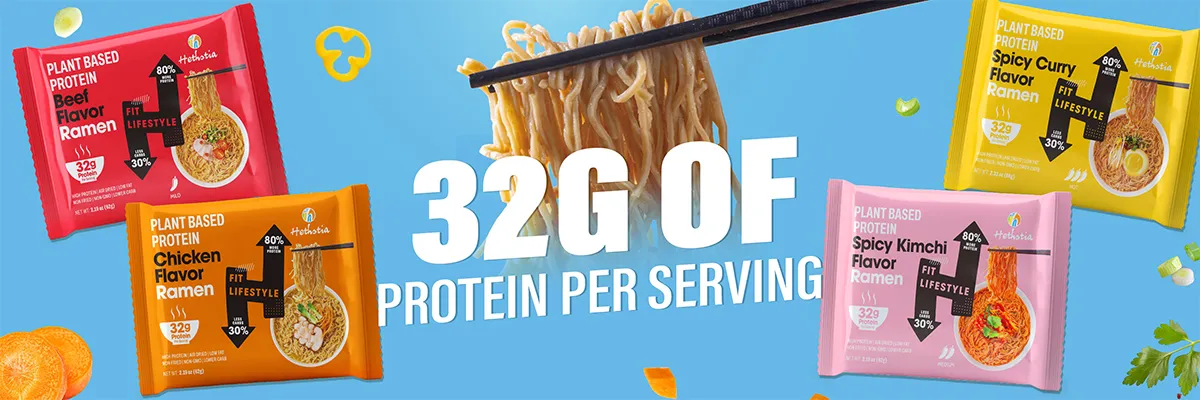
Whether you are managing diabetes, cutting calories for weight loss, or building muscle with high-protein nutrition, the landscape of convenience food is changing. Leading the charge are innovative brands like Hethstia, which have reimagined what a noodle can be.
This guide explores the science behind the “unhealthy” noodle, the best alternatives on the market, and how Hethstia’s dual approach—Konjac for weight management and High-Protein for fitness—is revolutionizing the industry.
I. The Anatomy of the Brick: Why We Need a Change
To understand the value of a healthy substitute for ramen noodles, we must first dissect why traditional instant ramen is problematic. It isn’t just about the carbohydrates; it is about the processing.
The Instant Ramen Factory Process
If you were to step inside a traditional instant ramen factory, you would witness a process designed for preservation rather than nutrition. The vast majority of instant noodles are “flash-fried.” After the noodles are cut and steamed, they are submerged in hot oil to dehydrate them rapidly. This process creates the porous texture that allows the noodles to rehydrate quickly in boiling water.
However, this frying process packs the noodles with saturated fats. A single block of standard ramen can contain over 14 grams of fat before the seasoning packet is even opened. This is why the search for non-fried instant noodles has become a priority for health-conscious consumers.
The Sodium Trap
Beyond the fat, the seasoning sachets are often sodium bombs. A single serving can contain nearly 1,800mg of sodium—close to the recommended daily limit for an adult. For individuals with hypertension or heart concerns, finding healthy ramen noodles low sodium options is not a luxury; it is a medical necessity.
The Refined Carbohydrate Spike
Traditional ramen is made from refined wheat flour. It has been stripped of its bran and germ, removing most of the fiber and nutrients. When consumed, these noodles cause a rapid spike in blood glucose levels, followed by a crash. This makes them a poor choice for diabetics and leaves the average eater feeling hungry again within an hour. This nutritional void has driven the demand for low-calorie instant ramen and best noodles for diabetics that don’t wreak havoc on insulin levels.
II. The Spectrum of Alternatives: From Plants to Ancient Grains
Before we dive into Hethstia’s modern innovations, it is worth exploring the broader market for healthy instant noodles. The alternatives generally fall into three categories: Vegetable-based, Traditional Asian staples, and Functional Modern noodles.
1. Vegetable-Based "Noodles"
The rise of the “spiralizer” brought us Zoodles (zucchini noodles), squash noodles, and sweet potato ribbons.
- Pros: These are the ultimate low-calorie instant ramen substitutes. They are packed with vitamins and water.
- Cons: They lack the “chew” and satisfaction of real pasta. They can become mushy in hot broth and offer very little protein or caloric energy for active individuals.
2. Traditional Asian Staples
Looking back at history allows us to find some of the healthiest Chinese noodles that have existed for centuries.
- Soba (Buckwheat): Genuine buckwheat noodles have a lower glycemic index than white wheat and offer a nutty flavor.
- Rice Vermicelli: While still high in carbs, these are often gluten-free and lower in fat than fried wheat noodles.
- Mung Bean Noodles: Often transparent (glass noodles), these are a low calorie chinese noodles option often used in salads and soups.
3. Functional Modern Noodles
This is the fastest-growing segment. These are healthy packet noodles engineered to solve specific dietary problems. This is where Hethstia excels. The brand recognizes that “healthy” means different things to different people.
- Scenario A: A diabetic or someone on a strict Keto diet needs zero sugar and near-zero carbs.
- Scenario B: An athlete or busy professional needs sustenance, muscle repair, and energy without the fat.
III. The Hethstia Solution: Tailored Nutrition
Hethstia has distinguished itself among healthy ramen noodles brands by bifurcating its product line to address these two distinct needs. They don’t offer a “one size fits all” noodle; they offer the right tool for the job.
1. The Konjac Miracle: Best Noodles for Diabetics and Weight Loss
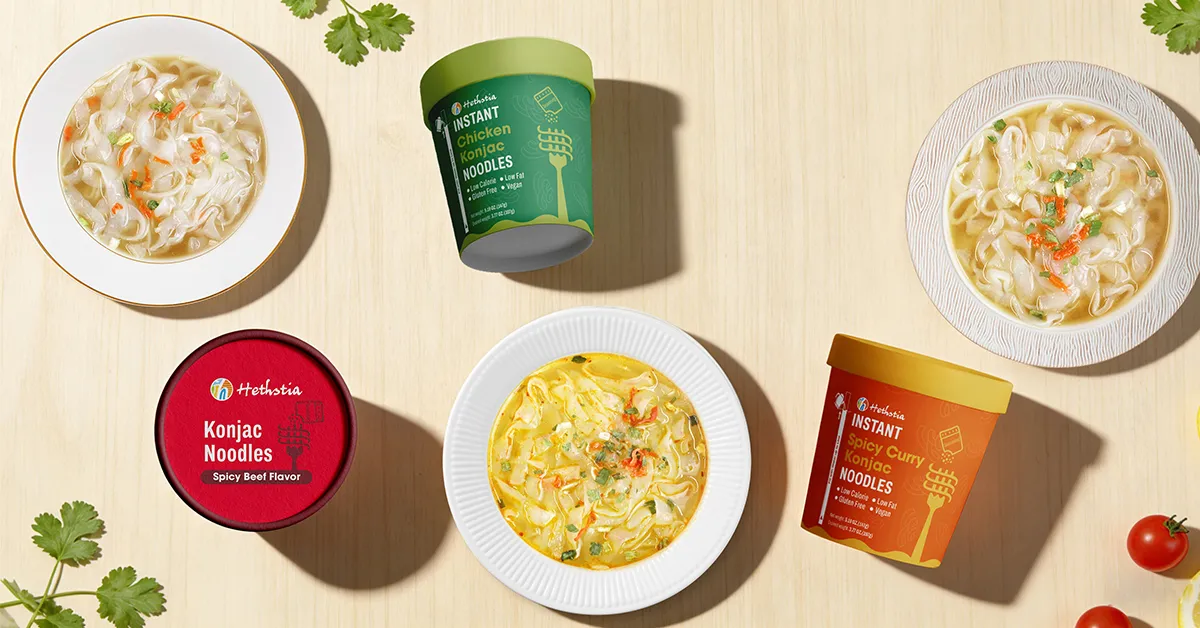
For those strictly seeking low-calorie instant ramen, Hethstia’s Konjac noodles are the gold standard. Konjac is a root vegetable (yam) rich in glucomannan, a dietary fiber.
- Caloric Density: Near zero. You can consume a massive bowl of Konjac noodles for fewer calories than a single apple.
- Glycemic Impact: Because they are primarily fiber, they have virtually no impact on blood sugar, making them arguably the best noodles for diabetics.
- Satiety: The fiber expands in the stomach, promoting a feeling of fullness without the caloric load.
2. The High-Protein Revolution: Fuel for the Active
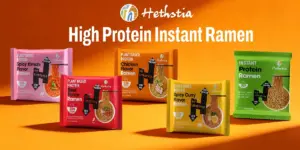
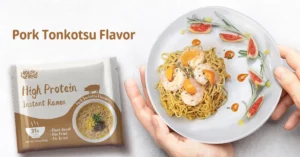
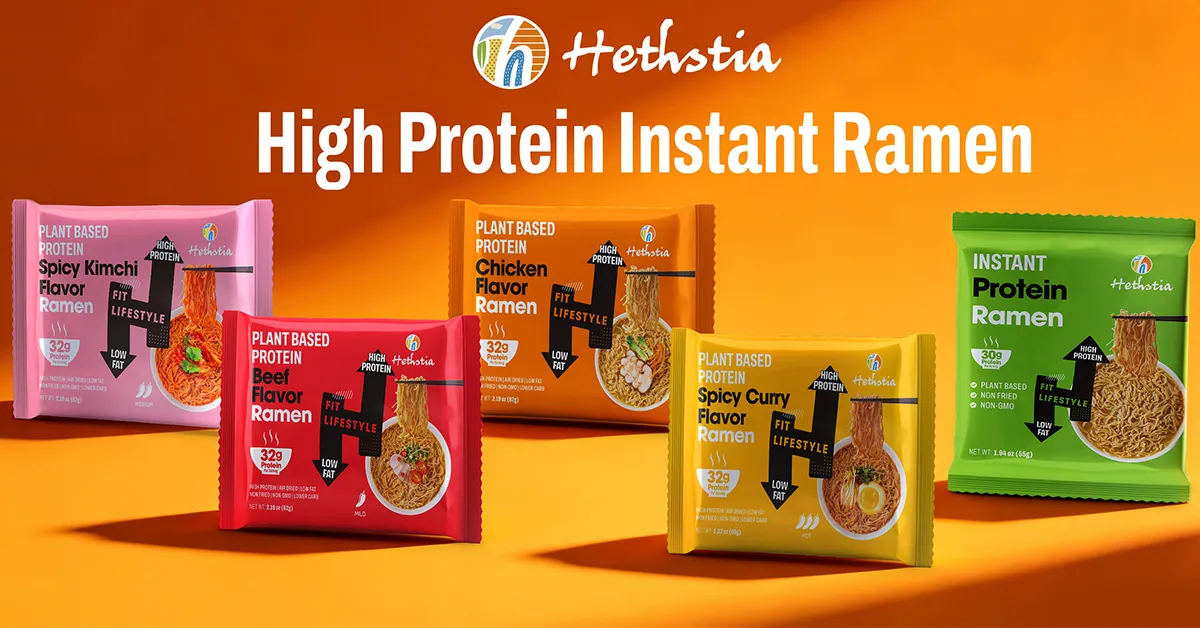
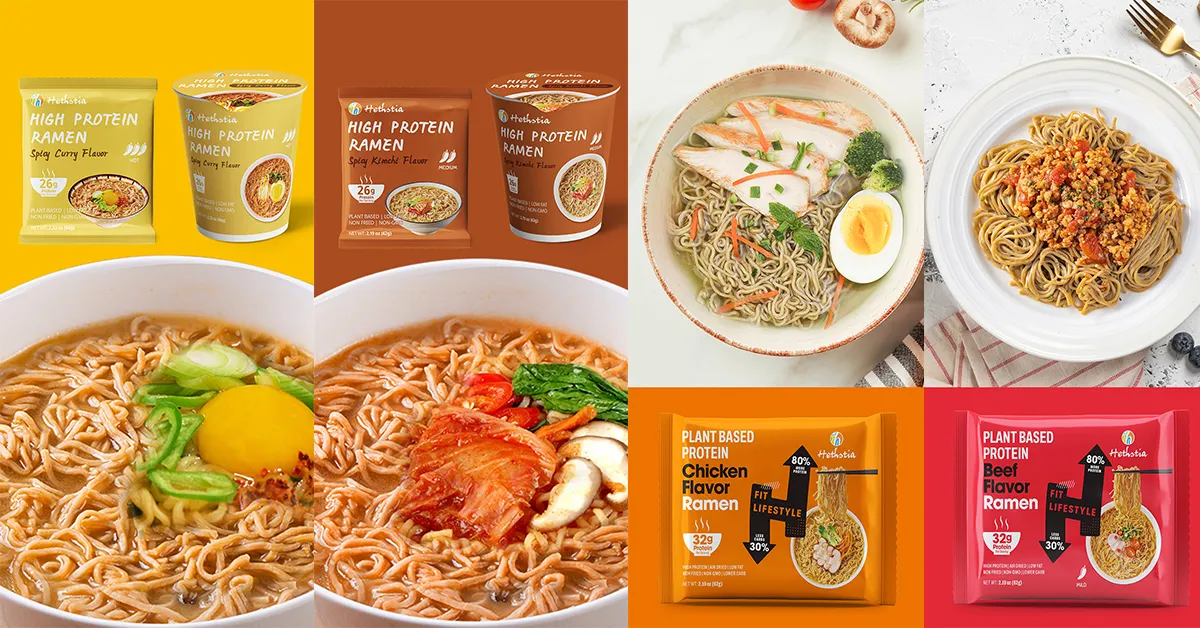
While Konjac is excellent for cutting weight, it doesn’t provide the energy required for a hard workout or a demanding workday. This is where Hethstia’s High-Protein Instant Ramen changes the game.
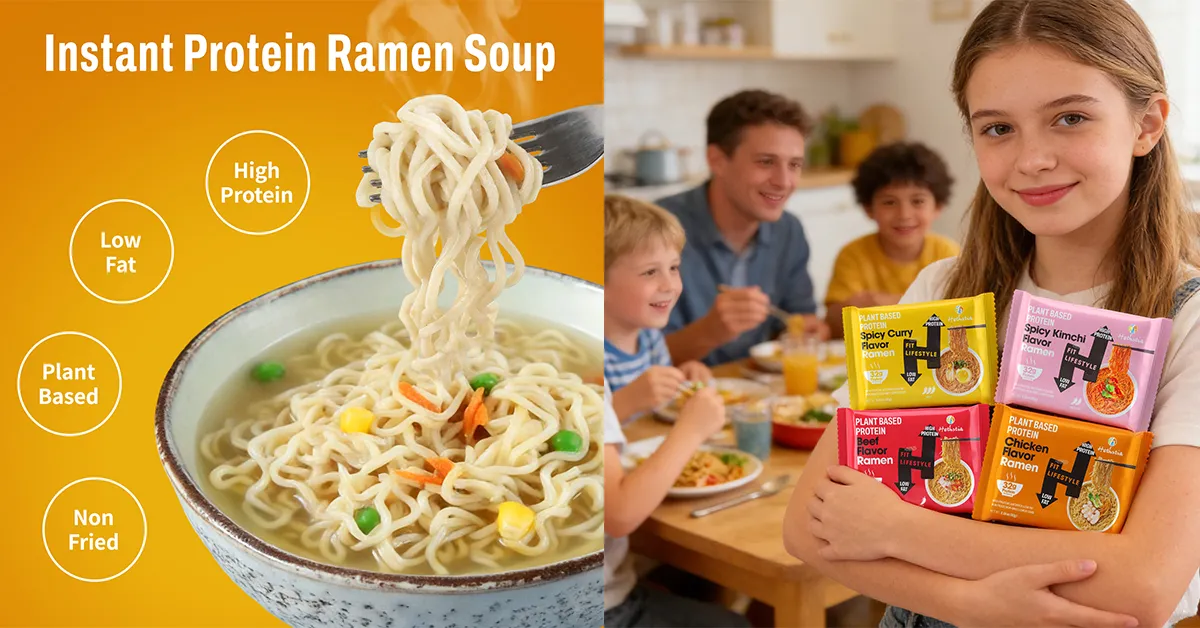
Many “healthy” noodles suffer from poor texture—they are either rubbery or mushy. Hethstia has managed to create a healthy substitute for ramen noodles that retains the springy, satisfying “al dente” bite of traditional ramen, but with a nutritional profile that reads like a protein shake.
Why High-Protein Matters in a Noodle
Protein is the most satiating macronutrient. A standard bowl of ramen is almost entirely carbohydrates. By infusing the noodles with high-quality protein, Hethstia ensures that the meal fuels muscle recovery and keeps the metabolism active. This transforms the noodle from a “guilty snack” into a functional meal replacement.
The Air-Dried Difference
Crucially, Hethstia’s high-protein line falls under the category of non-fried instant noodles. Instead of the deep-frying flash dehydration used in a standard instant ramen factory, these noodles are air-dried or steam-baked. This preserves the integrity of the protein and eliminates the trans fats and saturated fats associated with traditional processing.
IV. Comparative Analysis: Hethstia vs. The Market
To better understand where these healthy instant noodles fit into your diet, let’s look at the numbers.
Nutritional Comparison Table
Feature | Traditional Instant Ramen | Vegetable “Zoodles” | Hethstia Konjac Noodles | Hethstia High-Protein Ramen |
Primary Ingredient | Refined Wheat Flour | Zucchini / Squash | Konjac Root (Glucomannan) | Wheat & Protein Isolates |
Processing | Deep Fried (Flash Dehydration) | Raw / Lightly Steamed | Boiled / Extruded | Air-Dried / Non-Fried |
Calories (per serving) | 380 – 500 kcal | 20 – 40 kcal | < 20 kcal | ~250 – 300 kcal |
Protein | 5g – 8g | 1g – 2g | < 1g | 20g – 32g+ |
Fat Content | High (14g+ Saturated) | Negligible | Negligible | Low / Low Saturated |
Carbohydrates | High (Refined) | Low | Low (Fiber only) | Moderate (Complex) |
Satiety Factor | Low (Hungry soon after) | Low | Moderate (Volume-based) | High (Protein based) |
Best For… | Occasional Treat | Raw Vegans / Keto | Diabetics / Strict Weight Loss | Athletes / Healthy Meal |
As the table demonstrates, Hethstia provides a solution for both ends of the health spectrum. If you are looking for low fat instant noodles that actually keep you full, the High-Protein line is the superior choice over plain vegetables or traditional wheat.
V. The Convenience Factor: The Rise of the Healthy Pot Noodle
One of the main reasons people buy ramen is the vessel. The “cup noodle” is the ultimate convenience food. For a long time, healthy options were only available in packets that required a stove and a colander.
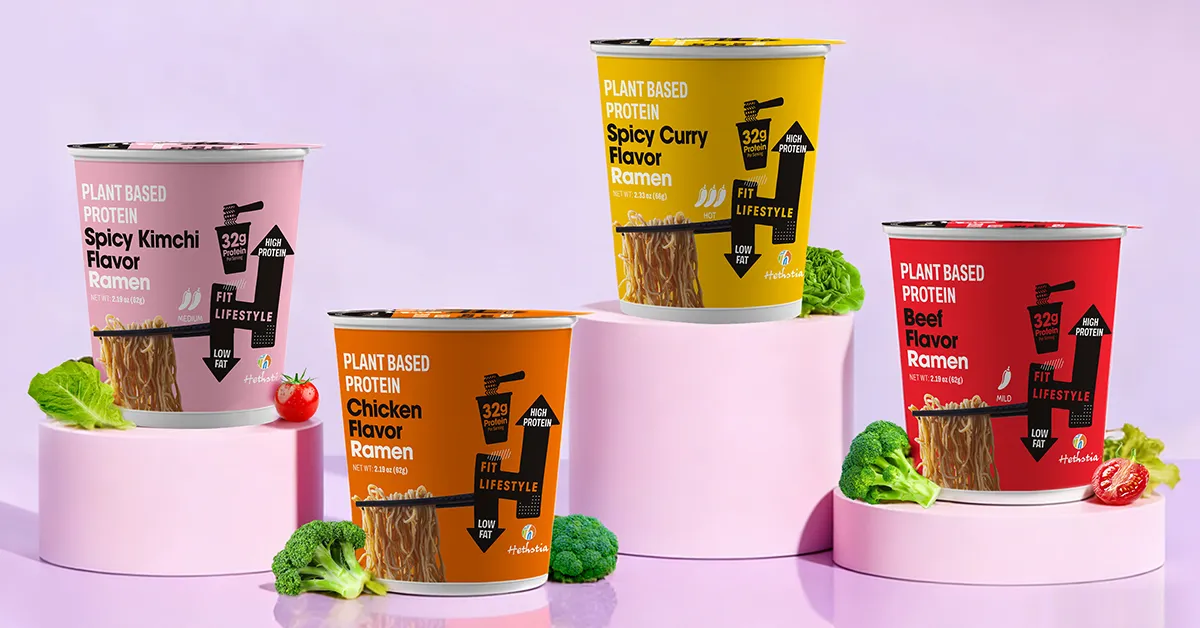
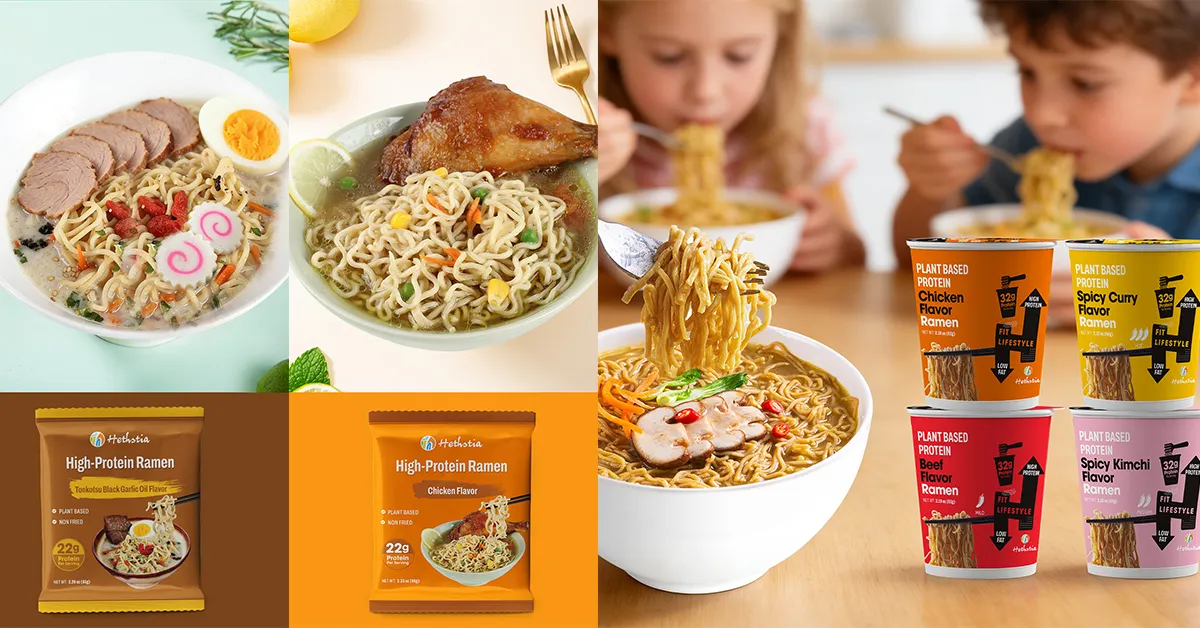
We are now seeing the evolution of the healthiest pot noodle. Hethstia and similar forward-thinking brands are packaging their high-protein and konjac options in convenient cups/bowls. This is critical for adoption. A healthy lifestyle is hard to maintain if it requires 30 minutes of cooking. By offering healthy packet noodles and cups that require only hot water, Hethstia removes the friction between “wanting to eat healthy” and “needing to eat now.”
VI. Instant Ramen Healthy Toppings Guide
Even with a high-quality base like Hethstia’s High-Protein Ramen, the magic often lies in the customization. You can transform a simple, convenient meal into a gourmet nutritional powerhouse. Here is a definitive instant ramen healthy toppings guide to elevate your bowl.
1. The Protein Boosters
Even with high-protein noodles, adding whole foods creates a complete meal.
- Soft-Boiled Egg: The classic ramen topping. Rich in healthy fats and choline.
- Edamame: Adds texture and plant-based protein.
- Leftover Rotisserie Chicken: A quick way to bulk up the bowl without cooking.
- Tofu Cubes: Absorbs the broth flavor perfectly; great for low-fat instant noodles
2. The Fiber Fillers
Essential for digestion and slowing sugar absorption.
- Bok Choy or Spinach: Throw these in while the water is boiling; they wilt instantly.
- Menma (Bamboo Shoots): A traditional topping that adds crunch and fiber.
- Mushrooms (Shiitake or Wood Ear): Adds umami and immune-boosting compounds.
- Bean Sprouts: Adds volume and crunch for very few calories.
3. The Flavor Enhancers (Low Sodium)
If you are avoiding the full seasoning packet to keep it a healthy ramen noodles low sodium meal, use these:
- Sesame Oil: A few drops go a long way for flavor.
- Kimchi: Adds probiotics and spice (watch the sodium, but the benefits often outweigh it).
- Fresh Scallions/Green Onions: Essential for freshness.
- Nori (Seaweed): Adds iodine and minerals.
- Chili Oil/Sriracha: Capsaicin boosts metabolism.
VII. Conclusion: The Future of the High-protein Instant Ramen
The days of assuming that “instant” equals “junk” are over. The food technology behind healthy instant noodles has advanced to a point where we no longer have to compromise.
We are moving away from the mass-produced, deep-fried bricks churned out by the typical instant ramen factory. Instead, we are entering an era of thoughtful nutrition. Whether you are managing blood sugar and require the best noodles for diabetics via Hethstia’s Konjac line, or you are looking to fuel a workout with Hethstia’s High-Protein Instant Ramen, the bowl is yours to command.
By choosing non-fried instant noodles and utilizing a smart instant ramen healthy toppings guide, you can reclaim the comfort of ramen. It is no longer a guilty pleasure; it is a healthy, viable part of a modern diet. So go ahead—boil the water, peel back the lid, and enjoy the healthiest pot noodle experience available today.

Frequently Asked Questions (FAQs)
1. What is the best healthy substitute for ramen noodles for weight loss?
The best healthy substitute for ramen noodles for strict weight loss is Konjac (Shirataki) noodles, such as those offered by Hethstia. They are composed of water and glucomannan fiber, resulting in near-zero calories and zero carbohydrates. For those who want more substance and protein while still managing weight, Hethstia’s High-Protein noodles are a superior choice as they increase satiety, preventing overeating later in the day.
2. Are there any healthy instant ramen noodles that taste like the real thing?
Yes. While vegetable noodles (zoodles) have a very different texture, healthy instant ramen noodles made from air-dried wheat mixed with protein isolates (like Hethstia’s High-Protein line) closely mimic the chew and mouthfeel of traditional ramen. The key difference is the lack of oiliness, as they are non fried instant noodles.
3. Which brand offers the best noodles for diabetics?
The best noodles for diabetics are Konjac-based noodles. Because they contain no digestible carbohydrates, they do not spike blood insulin levels. Hethstia offers specific Konjac-based instant options that allow diabetics to enjoy the sensation of eating pasta or ramen without the glycemic consequences associated with rice or wheat noodles.
4. How can I make a low calorie instant ramen taste better?
To improve low calorie instant ramen, rely on aromatics rather than heavy fats. Use fresh garlic, ginger, and green onions. Follow an instant ramen healthy toppings guide by adding steamed vegetables like bok choy or spinach to add bulk and texture. A soft-boiled egg can also add richness to the broth without adding excessive unhealthy fats.
5. What are the healthiest Chinese noodles available on the market?
The healthiest Chinese noodles generally include air-dried varieties rather than fried ones. Buckwheat (Soba) noodles are excellent for heart health. Mung bean vermicelli (Glass Noodles) is a popular low-calorie Chinese noodle option. However, for a modern nutritional boost, Chinese-style noodles fortified with protein (like Hethstia’s) are considered the healthiest option for active lifestyles.
6. Why are non fried instant noodles considered healthier?
Traditional instant noodles are flash-fried in palm oil to dry them out, which adds significant saturated fat and calories. Non-fried instant noodles are dried using hot air, steam, or baking. This process dramatically reduces the fat content, making them a low-fat instant noodles option that is lighter on the digestive system and heart.
7. Where can I find healthy ramen noodles low sodium options?
Most healthy ramen noodle brands like Hethstia are conscious of sodium levels. However, if you are buying standard brands, you can create a healthy low-sodium ramen noodles meal by using only half of the provided seasoning packet and supplementing the flavor with low-sodium soy sauce, chili flakes, or sesame oil.
8. Is there such a thing as a healthy pot noodle for lunch on the go?
Absolutely. The market for the healthiest pot noodle has exploded. Look for cups that explicitly state “air-dried” or “non-fried.” Hethstia provides convenient cup formats for both their Konjac and High-Protein lines, ensuring you have a healthy alternative to ramen noodles even when you only have access to a kettle at the office.