


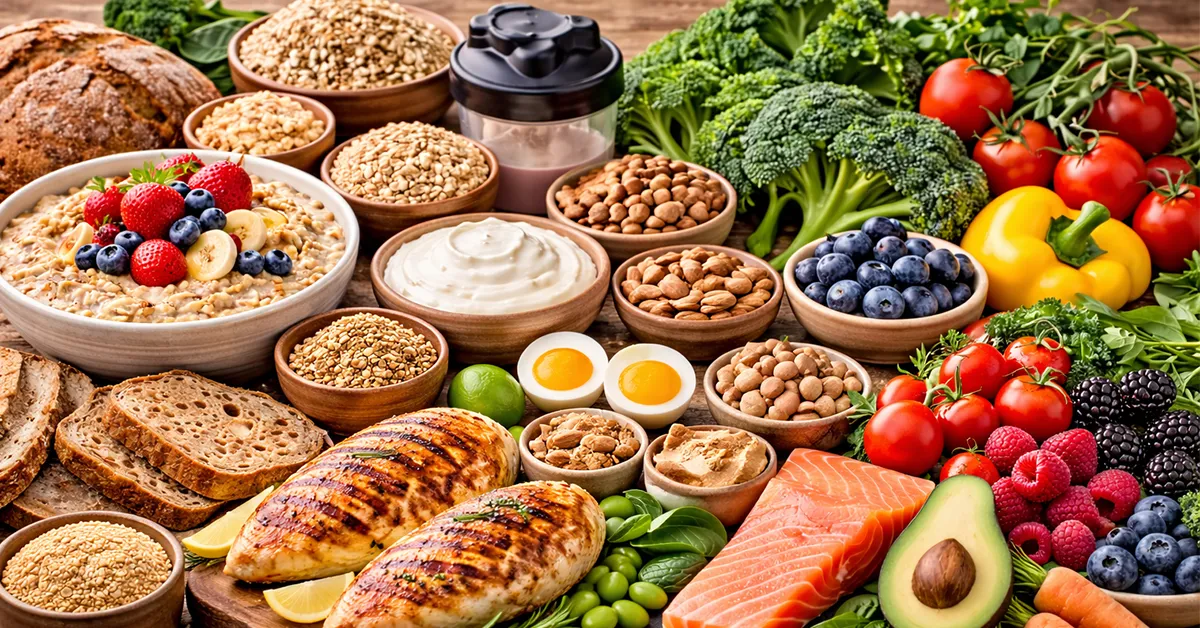
Your alarm goes off in the morning, and you grab a packet of sugary cereal, rushing to the office only to crash by 10 a.m. with low blood sugar. Coffee keeps you going until 3 p.m., then you can’t resist ordering fried chicken for lunch?
In the United States, 70% of working adults start their day with either high-sugar cereals (one packet of cereal contains 12g of sugar) or plain coffee paired with a doughnut—leading directly to morning distractions and afternoon binge eating.
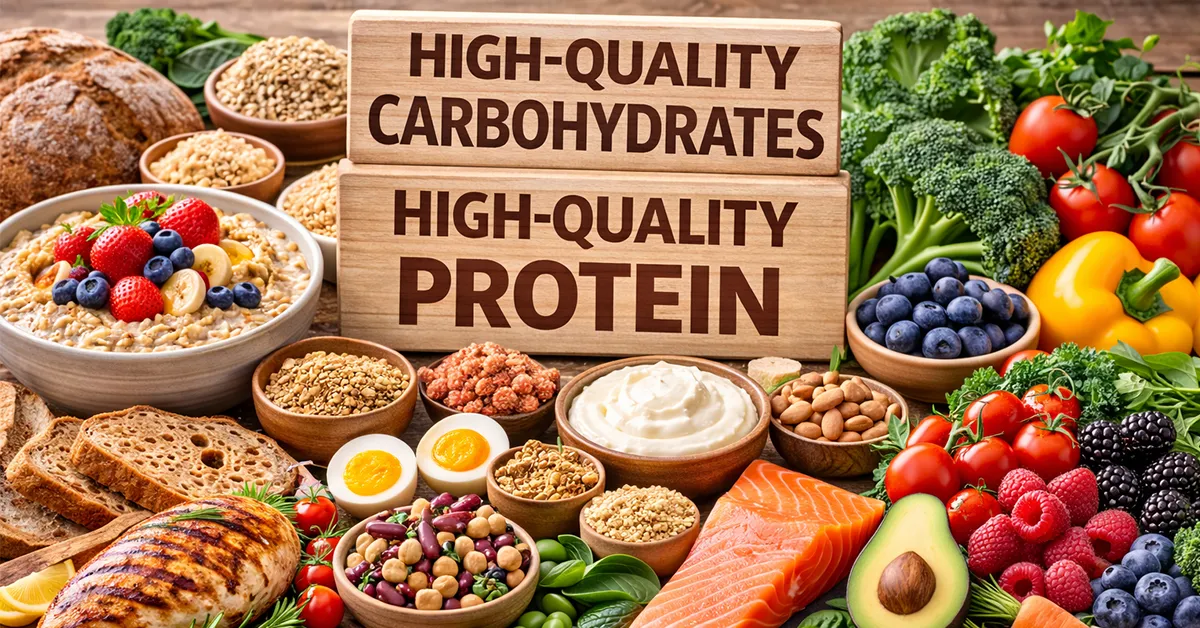
Stop falling for the “healthy breakfast” hype! Hethstia cuts through the theory with a practical plan: high-quality carbs + high-quality protein + vegetables and fruit—all three are essential.
Here’s the key point—you don’t need to spend 20 minutes cooking oats. A satisfying breakfast that keeps hunger at bay can be ready in 3 minutes, 10 minutes, or even 5 seconds at a convenience store. (Source: CDC 2023)
1. The Deadly Pitfalls of Breakfast: Why You Keep Sabotaging Yourself
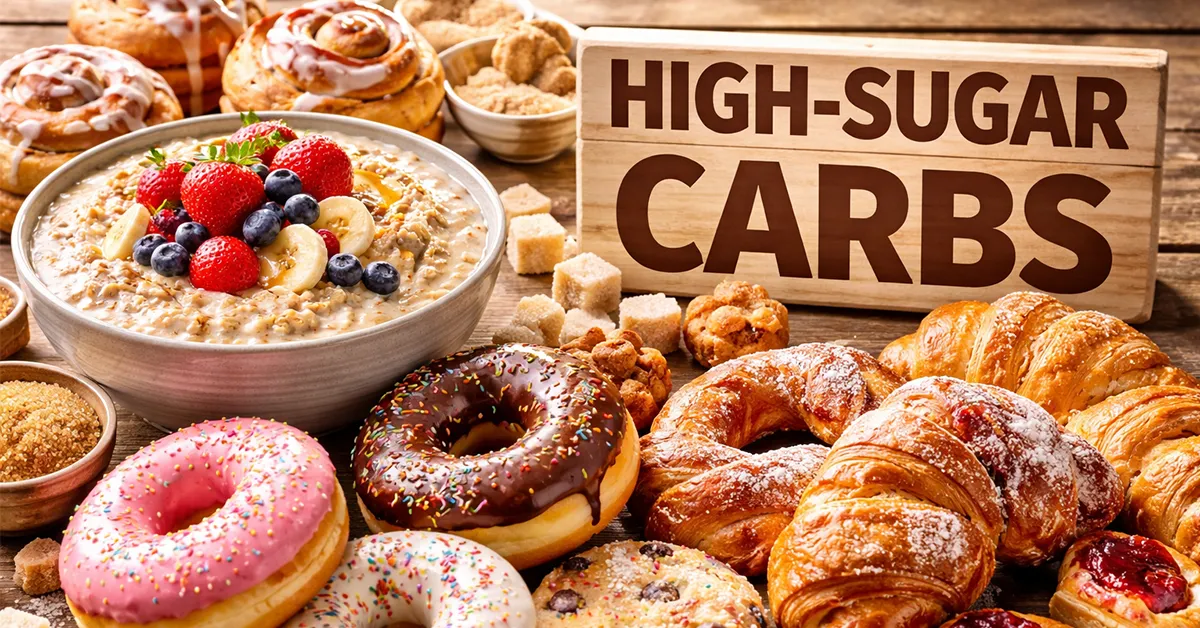
Eating only high-sugar carbohydrates (cereal, sweet bread, doughnuts)
A single serving of “healthy” cereal like Cheerios on supermarket shelves contains 10g of sugar. Eating it sends your blood sugar skyrocketing, leaving you hungry enough to lick the trash can just an hour later.
Consequences: Research shows that high-sugar breakfasts reduce activity in the brain’s prefrontal cortex (Journal of Nutrition). You’re not just “sluggish”—it’s your blood sugar holding you back. You zone out after two slides in a presentation and stumble over your words during meetings.
Worse still, high sugar = high calories = obesity risk (the U.S. obesity rate of 36% is partly attributable to this).
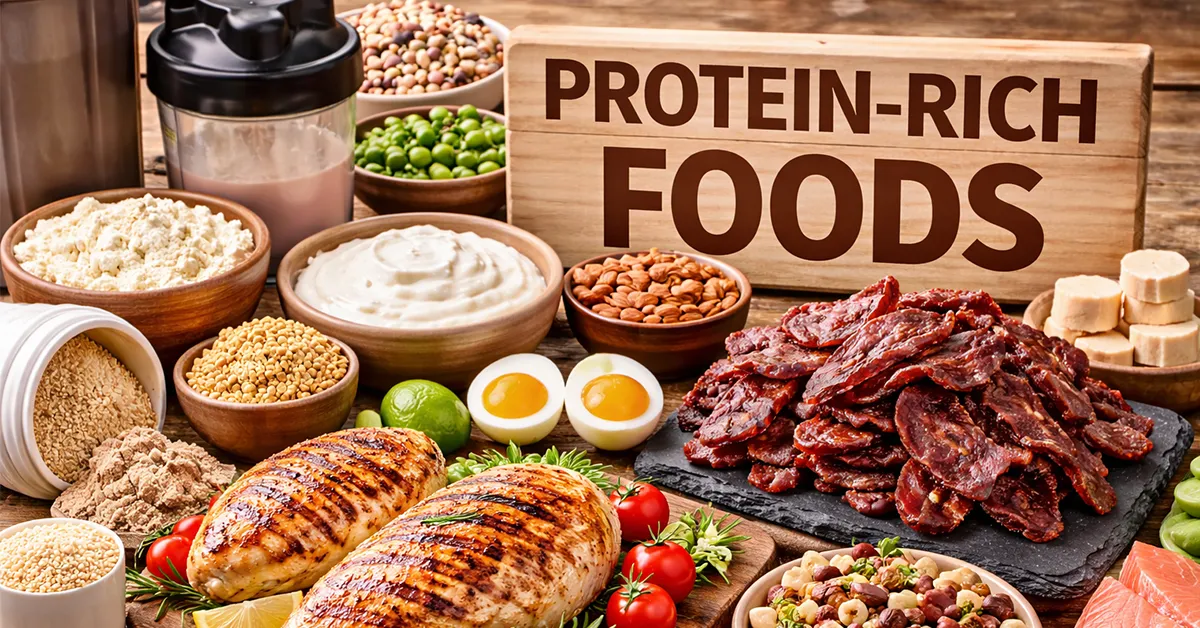
Eating only protein (protein powder, chicken breast, beef jerky):
You think “high protein = healthy”? Wrong! The brain relies on glucose for 90% of its energy. Consuming only protein powder (like Optimum Nutrition) can crash your blood sugar to 3.5 mmol/L (the hypoglycemia threshold). You’re not “too busy”—your brain is screaming “out of fuel.”
Try writing a report in the morning only to stare blankly at the screen for half an hour, and your boss will think you’re lazy. Chronic hypoglycemia also triggers anxiety and binge eating, making you gain weight the more you eat. (Source: NIH 2023)
The Truth:
A common mistake people make is thinking in “black-and-white terms”: either eat sugar or eat protein. But the core of a healthy breakfast is balance:
- Quality carbs (slow digestion, stable blood sugar): whole-grain bread, oatmeal, quinoa (not white bread!)
- Quality protein (keeps you full): eggs, Greek yogurt, ready-to-eat chicken breast (not protein powder!)
- Vegetables and fruit (for fiber + vitamins): blueberries, bananas, spinach (not juice!)
Office workers favor quick fixes for meals: convenience store sandwiches and instant oatmeal, often neglecting nutritional balance. The result? 75% of office workers rely on coffee to stay awake by 10 a.m. and binge on snacks in the afternoon—this isn’t laziness, it’s skipping breakfast that’s dragging you down.
2. The Slacker Breakfast Principle: Don't aim for perfection—just avoid hunger and collapse.
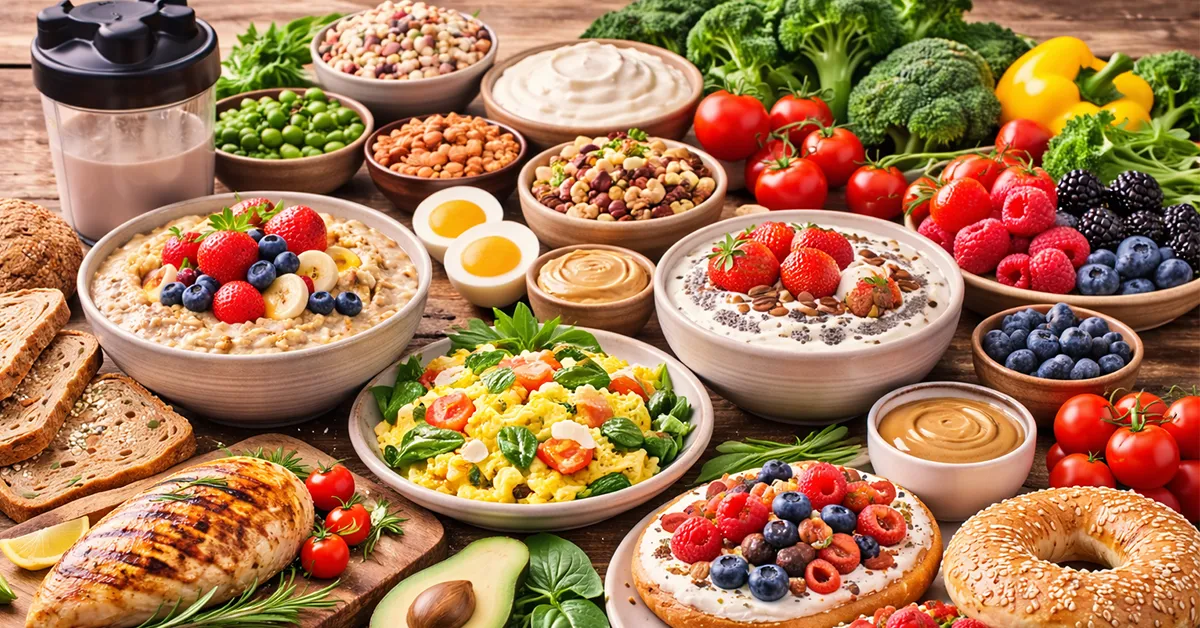
Don’t be intimidated by “nutrition science”! The formula for a healthy breakfast is simple:
Healthy food combinations for breakfast: ”High-quality carbohydrates + high-quality protein + vegetables and fruits”
- High-Quality Carbs: Whole wheat bread, rolled oats, multigrain wraps (e.g., Mission Whole Wheat)
- High-Quality Protein: Eggs, Greek yogurt, ready-to-eat chicken breast
- Vegetables & Fruit: Blueberries (frozen, ready-to-eat), bananas, cherry tomatoes (Walmart bagged)
Carbs fuel your brain (stabilizing blood sugar), protein locks in fullness (preventing weight loss), and fruits and veggies prevent constipation and stabilize blood sugar—eat all three together, and you’ll stay focused at work in the morning and avoid snacking binges in the afternoon.
Data speaks: Harvard research shows that office workers who eat balanced breakfasts see a 22% boost in productivity and a 40% reduction in afternoon snacking.
3. Ready in 3 Minutes: The Lazy Person's Emergency Pack—Eat in 5 Seconds Before You Leave
Stop saying “I don’t have time”! These combos require no cooking, no chopping, no washing—just grab them at any convenience store or supermarket. Your go-to “lazy person’s essentials”:
- Whole-grain bread + pre-cooked chicken breast + milk + blueberries
Slice bread + shred chicken breast + pour milk into a cup + grab a handful of blueberries—done in 3 minutes. Carbs + protein + antioxidants keep hunger at bay until the afternoon. - Instant oatmeal + blueberries + beef jerky
Pour milk into an instant oatmeal cup (like Quaker Oats), sprinkle frozen blueberries, tear open a jerky packet—packed with nutrients, only 280 calories. - Whole-grain bagel + instant crab sticks + banana + latte
Split a bagel, add crab sticks (Walmart ready-to-eat pack), slice a banana, drink coffee straight — breakfast + energy boost, all in one go.
4. 10-Minute Fix: Simple Tricks for More Nutrient Retention (Kitchen Edition)
If you can spare 5 more minutes, try these kitchen shortcuts:
- Whole wheat bagel + egg + Greek yogurt + steamed spinach
Slice the bagel, cook the egg (1 minute, microwave works too); place spinach in a bowl, add water, and steam for 2 minutes (microwave on high). Pour Greek yogurt into a cup—protein + fiber + carbs for maximum satiety. - Multigrain tortilla + corned beef + sugar-free yogurt + cucumber slices
Heat tortilla (Mission Whole Wheat) for 1 minute; shred corned beef; slice cucumber + sugar-free yogurt (e.g., Chobani)—fiber + protein + vitamins for stable blood sugar until afternoon. - Plant-based protein ramen + fried egg + cheese slices + spinach
Cook high-protein noodles for 5 minutes. Assemble with fried egg, cheese slices, and spinach (microwave-steamed) — rich texture, 300 calories, ideal for fitness enthusiasts.
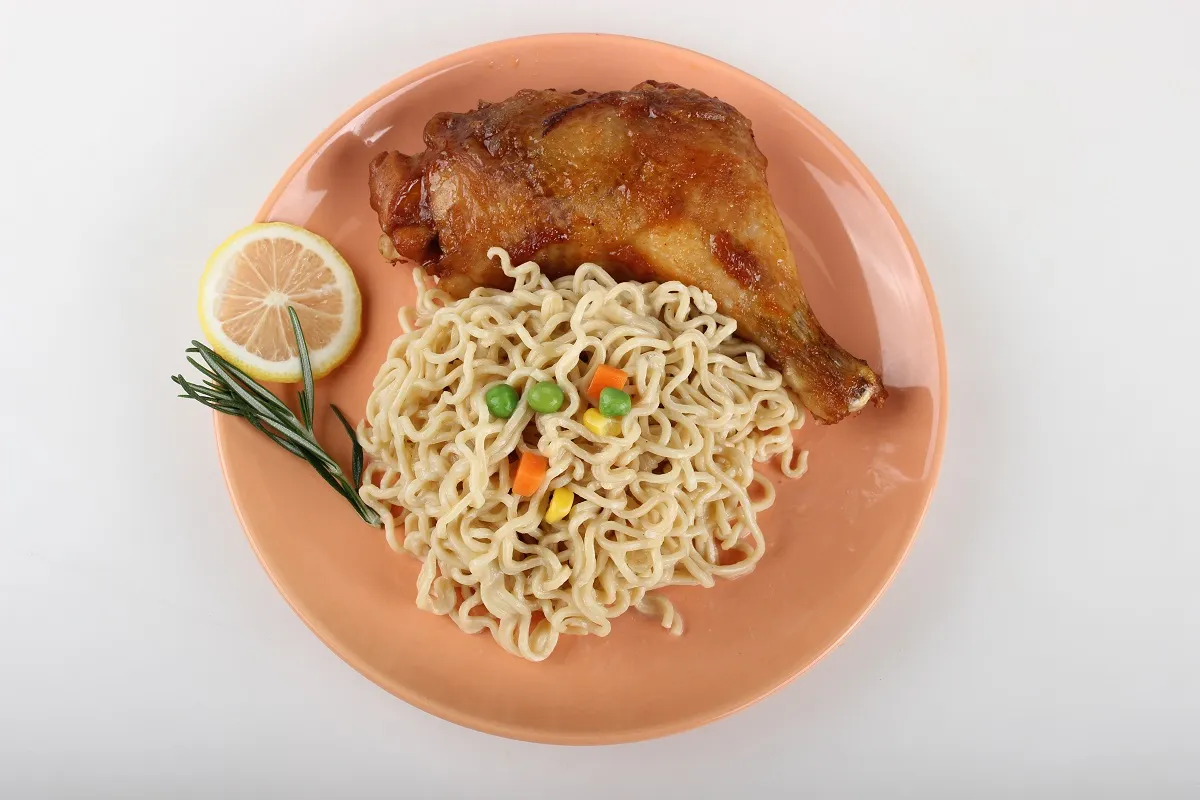
Office workers are accustomed to using microwaves/toasters—it takes just 10 minutes and is easier than checking your phone. Real-life example: After adopting this approach, morning focus improved, and afternoon snacking dropped from two bags of chips to zero.
5. Convenience Store Template: Done in 5 Seconds, No Thinking Required
No time to spare? Head to the convenience store, grab these 3 items in 5 seconds, and dig right in—skipping the pitfalls of expensive Starbucks and long lines!
- Ham & Egg Sandwich + Unsweetened Greek Yogurt + Banana
Grab a sandwich from Target (like Kirkland Signature), pick up unsweetened Chobani yogurt, and snag a banana—carbs + protein + vitamins, done in 5 seconds, 350 calories. - Instant oatmeal cup + blueberry yogurt + trail mix
Oatmeal cup (like Quaker) ready to eat, grab pre-made blueberry yogurt (Chobani), and a handful of trail mix (Walmart bagged) — nutritionally balanced and foolproof, perfect for the office. - Whole Wheat Wrap + Instant Chicken Breast + Orange
Whole wheat wrap (Mission) + shredded chicken breast (Applegate) + sliced orange (freshly cut at convenience store)—ready in 5 minutes, 280 calories. Dieters rejoice.
- Cost: $3–5 per meal (Starbucks sandwiches start at $7+)
- Convenience: Target/Walmart/7-Eleven open 24/7, no lines
- Healthiness: Avoid high-sugar traps (e.g., Kashi cereal contains 10g sugar), choose “no sugar added” options
6. Breakfast Culture Misconceptions: Why Do We Keep Getting It Wrong?
Misconception 1: High-Sugar Cereal = Healthy
A single serving of supermarket “healthy” cereals (like Kellogg’s Frosted Mini-Wheats) contains 12g of sugar—more than a can of cola!
Truth: The U.S. FDA has warned that high-sugar breakfasts increase diabetes risk.
The right approach: Choose plain oats and add your own blueberries.
Misconception 2: Coffee alone = energy boost
Caffeine provides temporary alertness, but consuming coffee when blood sugar levels are low can exacerbate heart palpitations (Mayo Clinic, 2023).
Correct approach: Pair coffee with protein (like eggs). Stabilizing blood sugar doubles the energizing effect.
Misconception 3: Fruit is just a side dish
People often eat only cereal, leaving fruit aside.
Truth: Fruit provides fiber that slows sugar absorption (e.g., bananas + oats reduce blood sugar spikes by 40%).
Why the Need for Adjustment?
The U.S. breakfast industry generates $12 billion in annual revenue, yet 70% of its products are high in sugar (MarketWatch 2023).
Cultural Habits: Fast-paced lifestyles + misleading marketing have led to “healthy” breakfasts that are actually deceptive.
Next time you buy cereal, check the nutrition label—sugar <5g per serving, fiber >3g. For example:
❌ Avoid: Kashi Honey Almond (12g sugar)
✅ Choose: Quaker Oats Plain (0g sugar, 4g fiber)
Breakfast isn't a chore—it's a gentle gift to your body
You’re not lazy—a flawed breakfast culture is just dragging you down. Stop using “no time” as an excuse—whether it takes 3 minutes, 10 minutes, or just 5 seconds at the convenience store, you can still eat healthily. Give it a try: tomorrow morning, grab some whole-grain bread + chicken breast + blueberries. Hungry by 10 a.m.? Not a chance.
7:30 AM: Grab a convenience store sandwich + banana—done in 5 seconds.
10:00 AM: Blood sugar steady as a rock, rock your meeting presentation with confidence.
3:00 PM: Skip the snack binge—boss compliments you on looking “in great shape”.
- After 3 months, 75% of office workers lost 5% of their body weight and saw a 25% improvement in focus.
- Most importantly: You’ll finally stop relying on coffee to stay alive—and wake up sharp enough to tell your boss, “I have ideas for this proposal!”
FAQS
1. What is the "Golden Formula" for a breakfast that keeps you full until lunch?
The most effective combination for satiety is Protein + Fiber + Healthy Fat.
Why: Carbohydrates (even complex ones) digest relatively quickly.
Protein (like eggs or Greek yogurt) suppresses hunger hormones, while healthy fats (like avocado or nuts) slow down gastric emptying. Fiber adds volume to physically fill your stomach.
Example: Oatmeal (Fiber) + Peanut Butter (Fat) + Protein Powder or Greek Yogurt (Protein).
2. Is the "Fruit and Yogurt" combination actually bad for digestion?
For the vast majority of people, no, it is not bad.
The Science: From a modern nutritional standpoint, this is a “power combo.”
The probiotics in yogurt support gut health, while the fiber in fruit acts as a prebiotic (food for the gut bacteria).
Caveat: Some people with sensitive stomachs may find that mixing acidic fruits (like pineapple or orange) with dairy causes minor bloating or curdling sensations.
If you have a sensitive stomach, stick to lower-acid fruits like bananas, berries, or papaya.
3. What are the best combinations to prevent the "Mid-Morning Crash"?
You need to avoid the “Sugar + Refined Carb” spike.
The Culprit: A breakfast high in simple sugars (orange juice, white toast with jam, or sugary cereal) spikes your blood sugar rapidly.
Your body releases insulin to bring it down, often overshooting and leading to a blood sugar “crash” (hypoglycemia), which causes fatigue.
The Fix: Pair your carbs with Protein or Acid. For example, if you eat toast, add eggs (protein) or avocado (fat).
If you eat fruit, add a handful of walnuts. Sourdough bread (which is acidic) also blunts the blood sugar spike better than white bread.
4. What should I pair with my morning coffee to avoid jitters?
Pair coffee with a fat-soluble food or a complete protein.
The Strategy: Caffeine speeds up digestion. Eating a meal rich in healthy fats (like eggs or chia pudding) slows down absorption, making the caffeine “kick” smoother and longer-lasting rather than a jittery spike.
Avoid: Coffee + a sugary pastry. This combines a caffeine spike with a sugar spike, guaranteeing a crash later.
5. Are there "Healthy" combinations that are secretly preventing weight loss?
Yes, the “Calorie-Dense Stack” is a common trap.
The Trap: Stacking multiple high-fat/high-sugar “health foods” into one bowl.
For example, an Acai bowl loaded with granola, honey, peanut butter, coconut flakes, and banana.
The Reality: While nutritious, this combination can easily exceed 800+ calories and 60g of sugar.
The Fix: Choose one healthy fat topper (e.g., either nuts or peanut butter, not both) and watch the portion size of granola.
6. What is the best plant-based combination for muscle repair?
Combine Grains + Legumes or use complete plant proteins.
The Combo: Whole grain toast with hummus (grain + legume) or a Tofu Scramble (soy is a complete protein).
The “Cheat” Code: Oats are not a complete protein on their own, but adding Chia seeds or Hemp seeds to your oatmeal completes the amino acid profile, making it excellent for muscle retention.