

I. Executive Summary
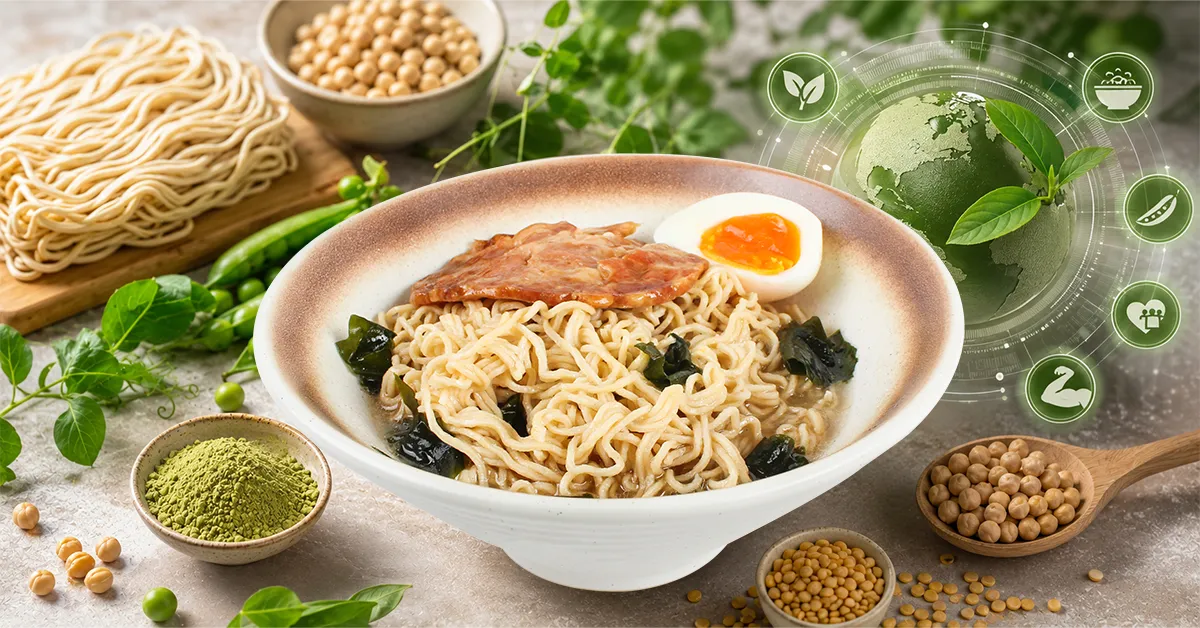
As we navigate the culinary and retail landscape of 2026, the global shift toward functional, health-conscious convenience foods has fundamentally redefined the grocery aisle. The era of viewing instant meals merely as cheap, nutrient-void survival food is officially over. Today, the rapid market expansion and retail growth of plant-based noodles represent one of the most significant consumer packaged goods (CPG) transformations of the decade.
This comprehensive report details the market dynamics, manufacturing breakthroughs, and consumer behavioral shifts driving this multi-billion-dollar industry. The primary demographic drivers—Generation Z and Millennials—are aggressively prioritizing sustainability, clean labels, and plant-forward diets. These consumers are no longer willing to compromise their health for convenience, nor are they willing to compromise on taste. By demanding macro-balanced, ecologically responsible, and hyper-convenient meal solutions, they have forced the industry to innovate.
From the complex engineering required to create the perfect bite in a meatless broth to the supply chain economics of emerging legume proteins, the 2026 market is characterized by sophisticated food science. This report will explore the defining battlegrounds of this sector, including ingredient sourcing, manufacturing processes, dietary inclusivity, and future purchasing trends.
II. The Evolution of Convenience: High Protein Ramen vs Instant Noodles
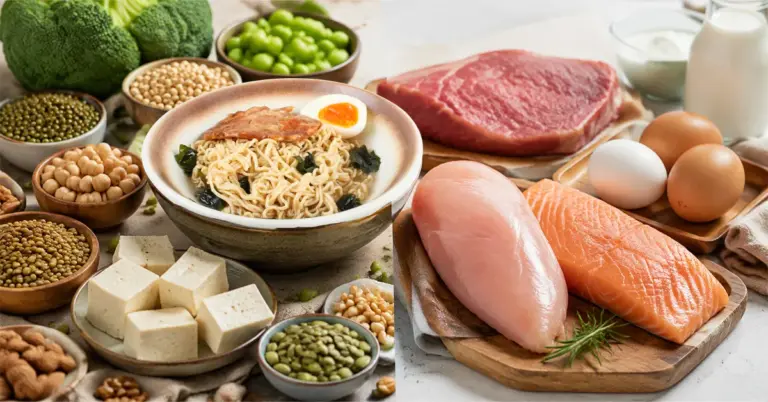
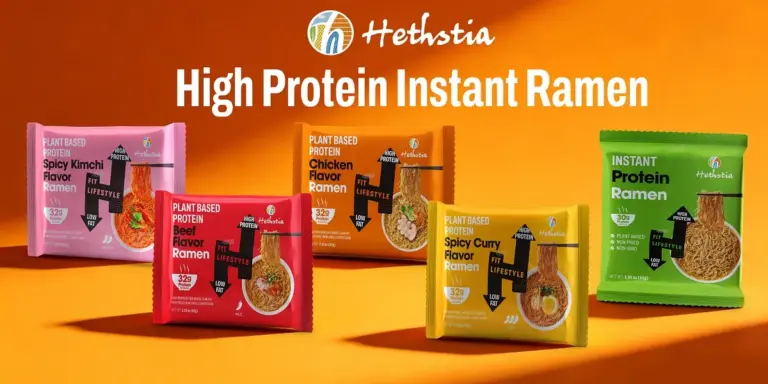
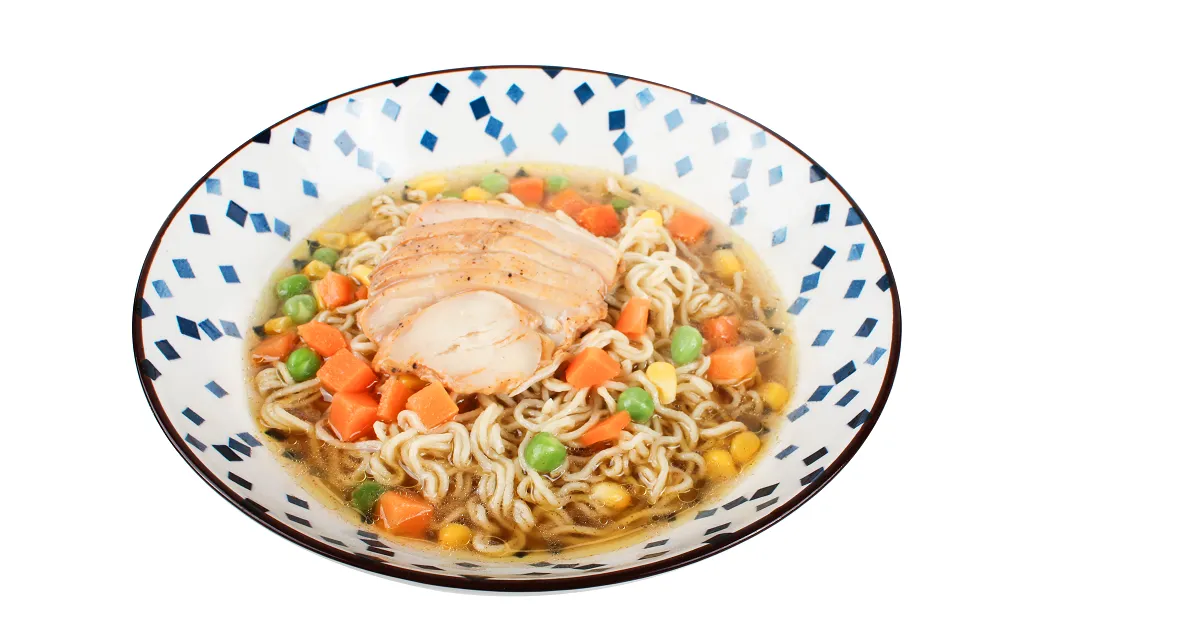
The modern consumer, however, has executed a sharp pivot toward macro-balanced meals and functional, everyday foods. The debate of High Protein Ramen vs Instant Noodles is no longer a niche fitness conversation; it is a mainstream retail phenomenon. Today’s consumers view their meals as functional fuel. They expect their convenience foods to actively contribute to their daily nutritional targets rather than detract from them.
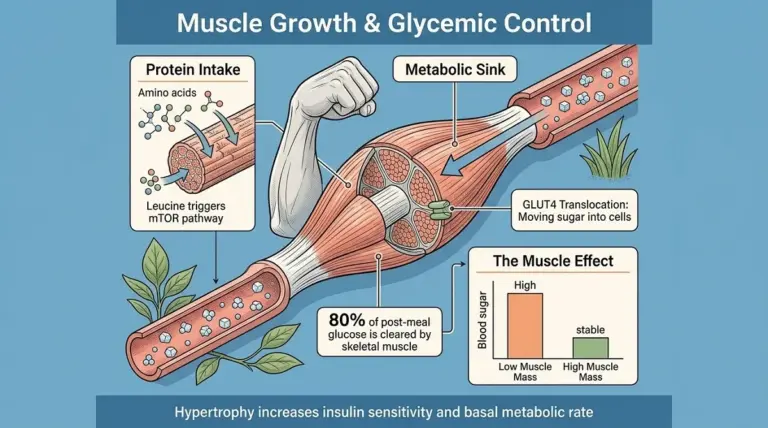
This shift explains how plant based protein ramen is successfully capturing the traditional instant noodle demographic. Brands that have reformulated their noodles to include 15 to 25 grams of plant-based protein per serving are seeing unprecedented year-over-year growth. Active consumers, busy professionals, and health-conscious parents are willing to pay a premium for protein-fortified convenience meals because they offer sustained satiety. Unlike the traditional instant noodle, which causes a rapid blood sugar spike followed by a crash and renewed hunger, high-protein variants stabilize glucose levels and provide lasting energy, making them a viable meal replacement rather than just a snack.
Table 1: Nutritional Comparison (Standard Serving Size: 70g Dry Noodles)
| Metric | Traditional Instant Noodles | Plant-Based High Protein Ramen | Market Impact (2026) |
| Protein | 4g – 5g | 18g – 22g | Drives adoption among fitness-focused consumers. |
| Dietary Fiber | 1g – 2g | 6g – 10g | Enhances satiety; appeals to gut-health trends. |
| Total Fat | 14g – 18g (High Saturated) | 2g – 5g (Low Saturated) | Reduces cardiovascular concerns. |
| Carbohydrates | 40g – 45g (Refined) | 25g – 35g (Complex) | Appeals to low-glycemic and diabetic demographics. |
| Sodium (with broth) | 1200mg – 1800mg | 400mg – 700mg | Meets modern heart-health recommendations. |
III. Ingredient Spotlight: Pea Protein vs Soy Protein
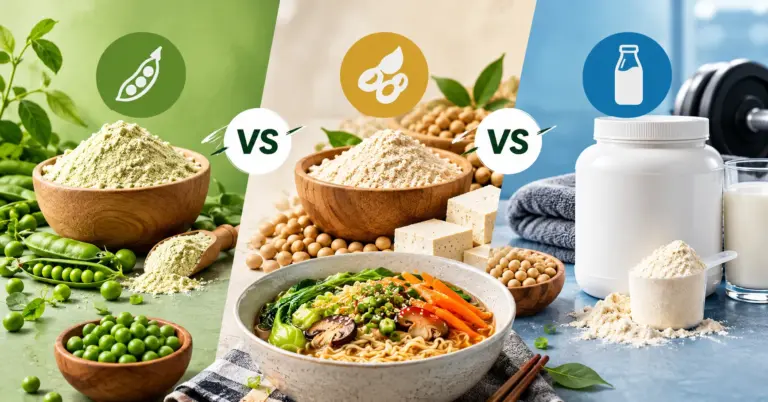
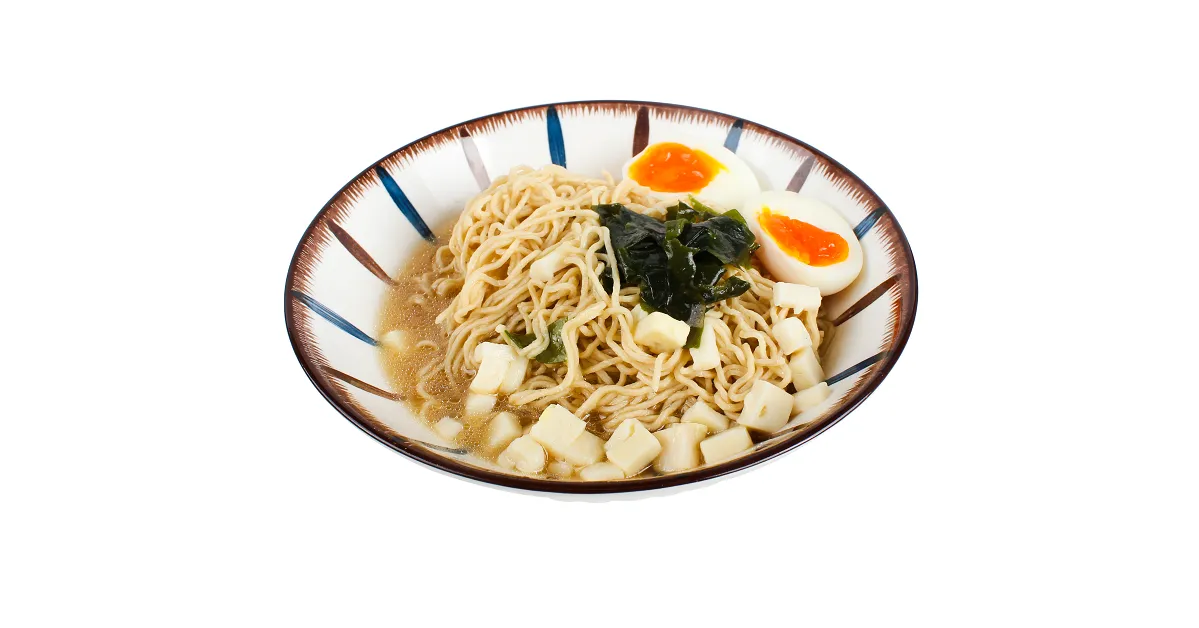
As the demand for plant based instant ramen surges, the choice of base protein has become a critical point of differentiation. The industry is currently defined by the competition between two heavyweight ingredients: soy protein and pea protein. Understanding the sourcing, supply chain stability, and sustainability metrics of these top plant proteins is essential for forecasting market leadership.
For years, soy protein maintained traditional dominance in the plant-based sector. Soy is an agricultural giant with a highly established, inexpensive global supply chain. Nutritionally, soy is prized for being a “complete” protein, meaning it contains all nine essential amino acids necessary for human health in adequate proportions. Furthermore, soy protein isolate possesses excellent texturizing properties, allowing manufacturers to create noodles with a satisfying, elastic chew. However, soy faces ongoing and growing consumer headwinds in 2026. A significant portion of the health-conscious demographic harbors concerns regarding soy allergens, phytoestrogens, and the prevalence of genetically modified organisms (GMOs) within the soy supply chain.
This has paved the way for pea protein’s rise as the preferred ingredient in 2026. Extracted primarily from yellow split peas, pea protein has captured the market due to its clean-label appeal. It is naturally non-GMO, environmentally sustainable (peas fix nitrogen in the soil, reducing the need for synthetic fertilizers), and, most importantly, free from the top eight major allergens.
The debate of Pea Protein vs Soy Protein often comes down to formulation challenges. Historically, pea protein imparted a slightly earthy, bitter aftertaste and a gritty mouthfeel. However, by 2026, major breakthroughs in flavor-masking technology and protein extrusion have allowed manufacturers to create pea-based noodles that are virtually indistinguishable from traditional wheat noodles. Recent consumer taste test results indicate a shifting preference: while soy still wins marginally on elasticity, pea protein formulations are preferred for their cleaner broth profiles and allergen-friendly status.
Table 2: Pea Protein vs. Soy Protein in Noodle Manufacturing
| Feature | Soy Protein | Pea Protein | Consumer Perception in 2026 |
| Allergen Status | Major Allergen (Top 8) | Hypoallergenic | Pea protein is viewed as safer and more inclusive. |
| Amino Acid Profile | Complete | Low in Methionine | Soy is superior, but pea is easily balanced with grains. |
| Supply Chain | Highly established, cheap | Growing rapidly, moderate cost | Consumers favor pea for its non-GMO associations. |
| Texture Impact | Highly elastic, smooth | Historically gritty, now smooth | Parity achieved through 2026 extrusion technology. |
| Environmental Impact | High land use, deforestation risks | Nitrogen-fixing, low water usage | Pea is heavily favored by eco-conscious Gen Z buyers. |
IV. Manufacturing Innovations: Air-Dried vs Fried Noodles
Beyond the ingredients themselves, the physical processing of the noodle is undergoing a revolution. The health implications and consumer backlash against traditional flash-frying methods have forced legacy brands and startups alike to rethink their production lines.
The traditional method of making ramen “instant” involves flash-frying the freshly cut noodles in palm oil at high temperatures. This process rapidly evaporates the moisture inside the noodle, creating thousands of microscopic pores. When hot water is added later, these pores absorb the water quickly, rehydrating the noodle in just three minutes. However, this process forces the noodle to absorb a massive amount of saturated fat, drastically increasing its caloric density and introducing potentially harmful oxidized oils into the diet.
The technological advancements in air-drying and steaming processes have reached a pinnacle in 2026. Air-drying utilizes high-velocity, temperature-controlled air to slowly remove moisture from the steamed noodles without the use of oil. While early iterations of air-dried noodles took too long to cook or turned mushy, modern dynamic-airflow technology has solved these issues.
A direct nutritional and physical comparison of Air-Dried vs Fried Noodles highlights why the industry is shifting. Air-dried noodles contain up to 80% less fat than their fried counterparts. Furthermore, air-drying actually enhances the structural integrity of plant-based noodles. Because the noodle is not coated in oil, the surface remains porous in a way that actively absorbs the flavor of the broth, rather than just releasing stale frying oil into the soup. The result is a cleaner, more authentic “ramen shop” chew that perfectly aligns with the premium positioning of modern health foods.
Table 3: Air-Dried vs. Fried Noodles Impact Analysis
| Production Method | Fat Content | Shelf Life | Texture & Broth Interaction | Health Profile |
| Flash-Fried (Traditional) | 15g – 20g (High sat fat) | 12 – 18 months | Leaches oil into broth; soft texture. | High calorie; associated with inflammation. |
| Air-Dried (Modern) | 1g – 3g (Trace fat) | 12 – 24 months | Absorbs broth deeply; firm, bouncy chew. | Low calorie; preserves macronutrient integrity. |
V. Dietary Inclusivity and Specialized Formulations
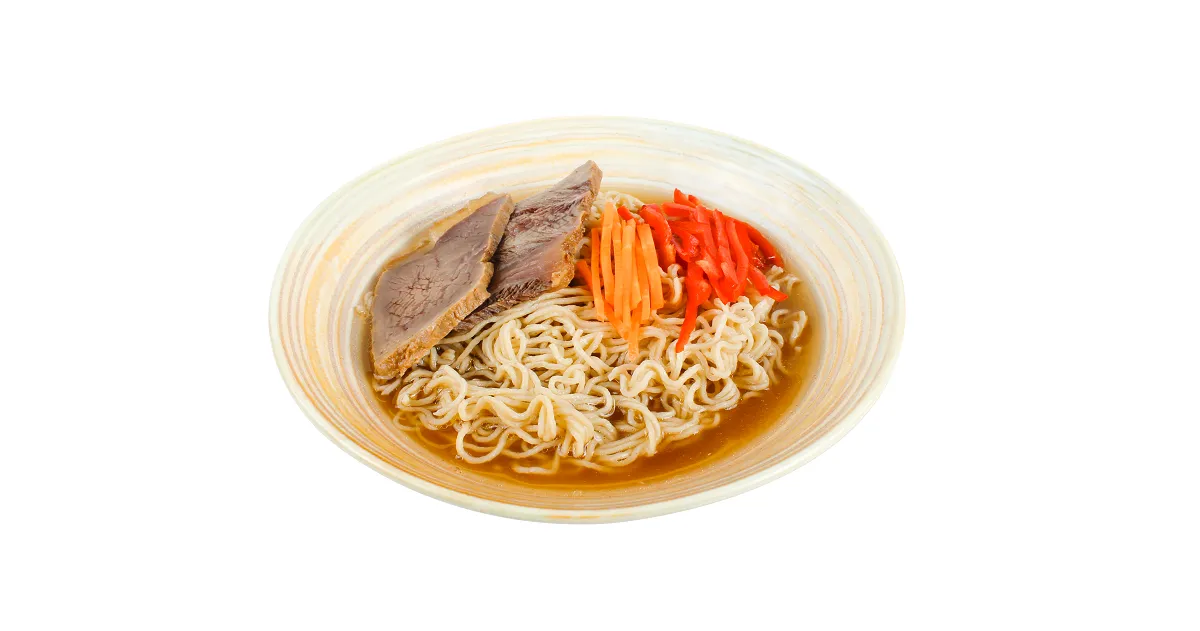
In 2026, catering to a single dietary preference is no longer a viable business model. The growing market necessity for allergen-free and inclusive convenience options has led to the proliferation of hyper-specialized formulations. The modern household often contains multiple dietary restrictions, and brands that can safely feed the entire family hold a distinct retail advantage.
This has resulted in exponential sales data and soaring consumer demand trajectories for gluten-free vegan noodles. Historically, removing gluten (the structural protein in wheat that gives noodles their elasticity) from a vegan noodle resulted in a brittle, gummy, or mushy product. To overcome the traditional “mushiness” challenge, food scientists have turned away from simple rice flours and embraced complex, multi-ingredient matrices.
Exploration of alternative carbohydrate and fiber sources has yielded incredible results. Formulations in 2026 commonly utilize a blend of brown rice, buckwheat, and root vegetable starches (like sweet potato or tapioca). Additionally, the use of konjac root—a high-fiber, zero-calorie botanical—has skyrocketed. Konjac provides the essential “snap” and chewiness missing from traditional gluten-free grains. Other legume flours, such as lupini and chickpea, are frequently blended into these matrices to simultaneously solve the gluten-free texture problem while massively boosting the protein and fiber content.
This level of dietary inclusivity means that a single package of plant based instant noodles can now legally and safely carry certifications for being Vegan, Gluten-Free, Non-GMO, and Kosher, effectively capturing a massive, unified market share that was previously fragmented.
VI. Consumer Purchasing Habits and Future Outlook
As we analyze the commercial landscape, it is clear that how consumers buy these products is changing just as rapidly as the products themselves. A thorough channel analysis reveals a fascinating split between retail grocery distribution and Direct-to-Consumer (DTC) subscription trends. While traditional supermarkets remain the highest volume movers, DTC platforms have become the primary incubators for brand loyalty and recurring revenue. Consumers are increasingly setting up monthly subscriptions for their favorite high-protein ramen, treating it as a staple pantry utility rather than an impulse buy.
Price sensitivity and inflation impacts remain relevant, yet the consumer’s willingness to pay for premium health claims is remarkably resilient. While traditional ramen costs mere cents per pack, functional plant-based ramen commands anywhere from $3.00 to $6.00 per unit. Consumers justify this premium by categorizing the product as a complete “meal solution” or a “fitness supplement” rather than a cheap snack.
This has resulted in exponential sales data and soaring consumer demand trajectories for gluten-free vegan noodles. Historically, removing gluten (the structural protein in wheat that gives noodles their elasticity) from a vegan noodle resulted in a brittle, gummy, or mushy product. To overcome the traditional “mushiness” challenge, food scientists have turned away from simple rice flours and embraced complex, multi-ingredient matrices.
Flavor trends for 2026 have also matured. The demand has shifted away from generic “chicken” or “beef” flavorings toward authentic global spice profiles. Consumers are seeking regional specificity: Spicy Sichuan Mala, Rich Hokkaido-style Miso, Thai Tom Yum, and Vietnamese Pho. Crucially, these flavor profiles must be delivered via clean-label, low-sodium seasoning packets that utilize real dried herbs, yeast extracts, and mushroom powders for umami, rather than MSG and artificial colors.
Strategic Predictions for the Next Five Years:
1. Macro-Personalization: Noodle brands will offer customized macro-profiles (e.g., Keto-friendly, Ultra-High Protein, High-Fiber) tailored to specific consumer health data.
2. Sustainable Packaging: The elimination of single-use plastics in favor of fully compostable noodle cups and bioplastic wrappers will become a mandatory regulatory and consumer standard.
3. Hybrid Functional Ingredients: The integration of adaptogens (like Ashwagandha or Lion’s Mane) into the ramen broth packets to promote mental clarity and stress relief alongside physical nourishment.
VII. Frequently Asked Questions (FAQs)
1. Are plant-based instant noodles actually healthy, or is it just marketing?
Unlike traditional instant noodles which are primarily empty calories and high sodium, modern plant-based instant noodles are formulated as functional foods. Brands utilizing air-dried technology, high-protein legume flours, and low-sodium natural broths provide a genuinely healthy, macro-balanced meal that supports muscle recovery and steady blood sugar.
2. How does High Protein Ramen compare to traditional instant noodles in terms of taste and texture?
3. Why are brands shifting from Soy Protein to Pea Protein?
4. Does Pea Protein provide a "complete" protein profile?
5. What is the difference between air-dried and fried noodles?
6. Are all gluten free vegan noodles mushy?
Historically, yes. But in 2026, manufacturers use advanced blends of root starches (like tapioca), konjac fiber, and legume flours (like chickpea or lupini) to recreate the elastic “snap” of wheat gluten. Modern gluten-free noodles hold their shape beautifully in boiling water.
7. Why is plant-based protein ramen more expensive than traditional ramen?
8. Can I eat plant-based instant ramen every day?
If you choose a brand that prioritizes low sodium (under 600mg per serving), uses air-dried noodles, and provides high protein and fiber, it can safely be incorporated into a daily diet as a convenient meal replacement, much like a daily protein shake or salad.