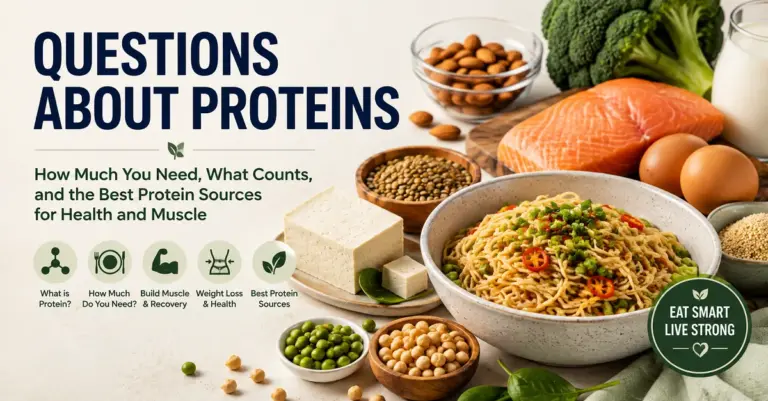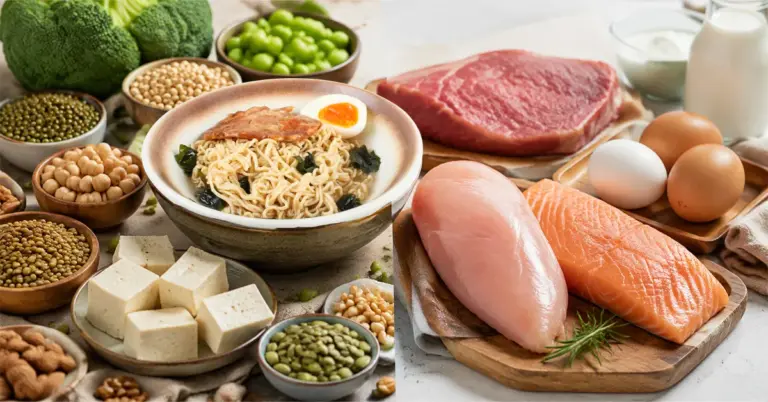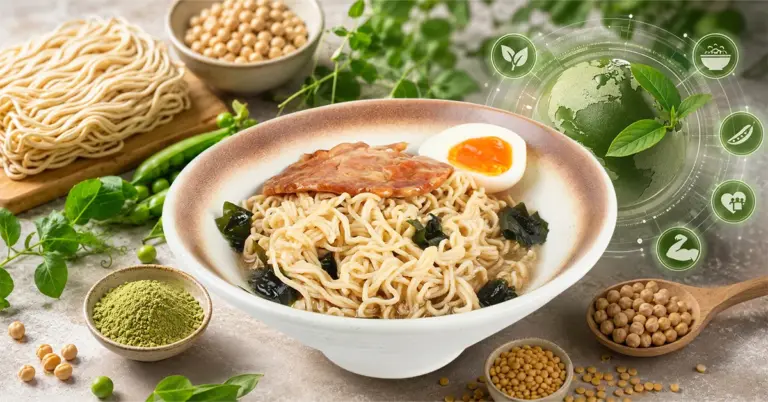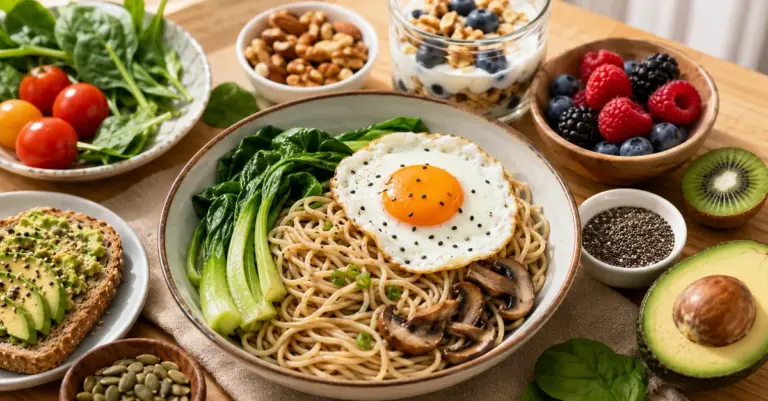


The global functional food sector is undergoing a massive paradigm shift. For decades, the medical and commercial approach to blood sugar management and weight control has been defined by a single, discouraging word: restriction. Consumers have been conditioned to believe that stabilizing their glucose levels requires eating less, avoiding carbohydrates entirely, and enduring bland, unsatisfying meals.
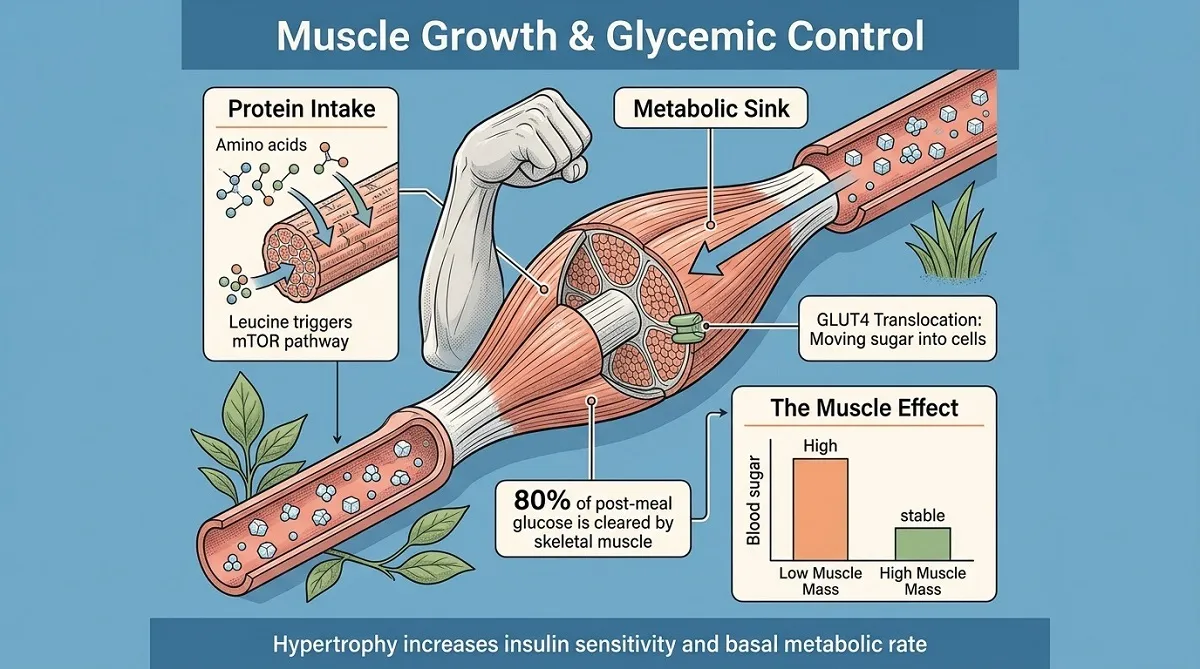
True, long-term metabolic stability is not achieved by starving the body. It is achieved by building the cellular machinery that burns glucose. Specifically, blood sugar control can be actively achieved by building and maintaining skeletal muscle mass through targeted high-protein diets.
For B2B partners, distributors, and health food retailers, this shift represents an unprecedented commercial opportunity. Consumers are actively seeking functional staples that allow them to enjoy the foods they love while actively building their metabolic defense systems. This whitepaper explores the deep physiological connection between muscle mass and glucose control, and details why our High-Protein Noodles represent the ultimate functional staple for the modern, health-conscious consumer.
I. The Paradigm Shift: From "Blind Restriction" to "Active Empowerment"
The Failure of the Traditional Diabetic Diet
Historically, the food industry approached the diabetic and weight-management market by simply removing ingredients. They created “sugar-free,” “fat-free,” or “low-calorie” products. While these items remove the immediate glycemic threat, they fail to provide the structural nutrients the body needs to heal its metabolic pathways.
When consumers drastically cut calories without increasing protein, they inevitably lose skeletal muscle tissue. This creates a metabolic disaster. As muscle mass decreases, the body’s basal metabolic rate plummets, and its capacity to store and dispose of dietary carbohydrates shrinks. The consumer ends up in a worse metabolic state than when they started: carrying less muscle, burning fewer calories at rest, and experiencing more severe blood sugar spikes even when eating small amounts of carbohydrates.
The New Scientific Reality
Modern endocrinology has proven that managing blood sugar is an active process, not a passive one. To handle carbohydrates effectively, the body requires a robust “sink” to absorb them.
Skeletal muscle is that sink. By shifting the consumer narrative from “eat less to control your blood sugar” to “eat more high-quality protein to build your metabolic engine,” brands can completely change the psychological relationship consumers have with food. They are no longer enduring a medical diet; they are fueling a biological engine. Functional foods that deliver a high-protein payload in a comforting, familiar format—like noodles—are uniquely positioned to capture this massive market shift.
II. The Biology of Muscle: The Body’s Ultimate "Glucose Sink"
To effectively market high-protein functional foods, B2B partners must understand the underlying physiology. Why is muscle so critical to blood sugar control?
The 70-80% Rule
When a person consumes a meal containing carbohydrates, those carbohydrates are broken down into glucose, which enters the bloodstream. To prevent hyperglycemia (toxic high blood sugar), the body must rapidly clear this glucose from the circulation.
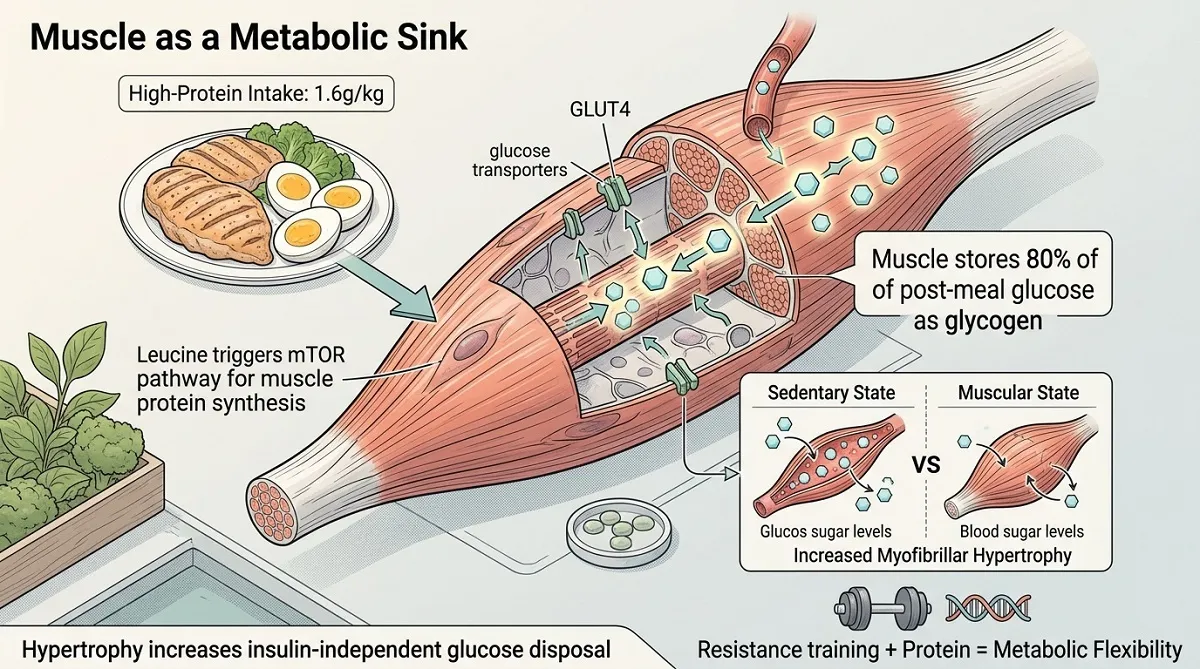
Skeletal muscle is responsible for clearing approximately 70% to 80% of postprandial (post-meal) blood glucose.
The larger and more metabolically active a person’s muscle mass is, the greater their capacity to absorb and store glucose as muscle glycogen. Conversely, individuals with low muscle mass—a condition known as Sarcopenia—have a physically smaller “storage tank” for glucose. When their small tanks overflow, the excess glucose remains in the bloodstream, leading to elevated A1C levels, systemic inflammation, and eventual fat deposition.
The Dual-Gateway Mechanism (GLUT4 Translocation)
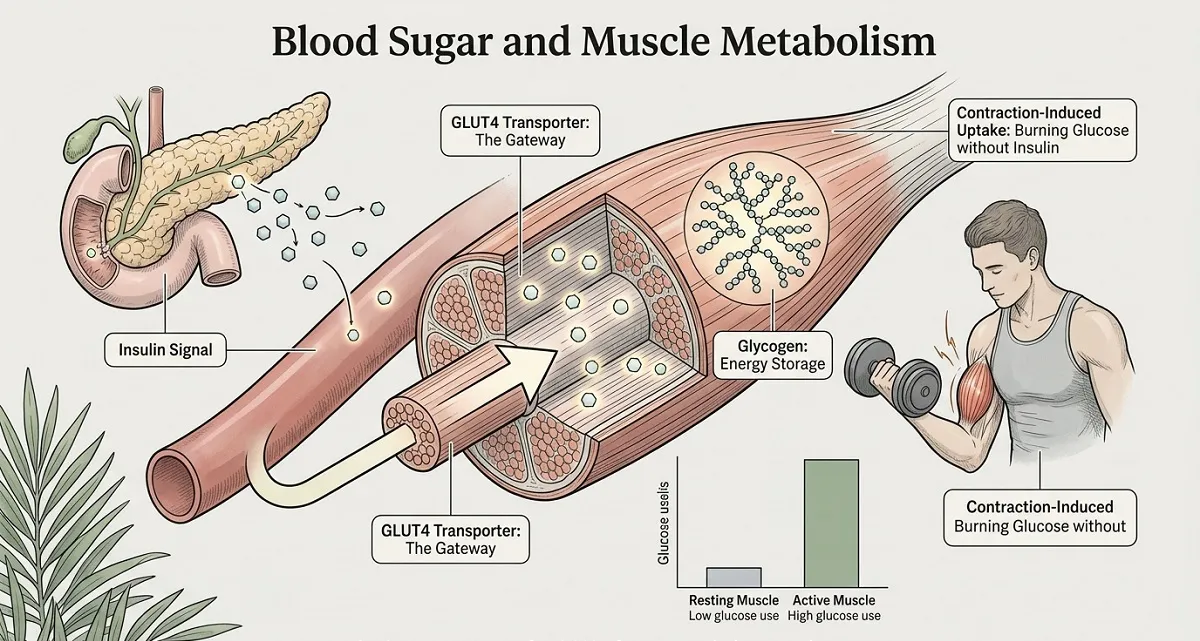
Muscle cells do not automatically absorb glucose. They rely on specific transporter proteins called GLUT4 (Glucose Transporter Type 4). Think of GLUT4 as the doors to the muscle cell. Most of the time, these doors are locked inside the cell. To clear glucose from the blood, these doors must move to the cell’s surface and open.
This happens via two distinct physiological pathways:
1. The Insulin-Dependent Pathway: In a healthy individual, the pancreas secretes insulin after a meal. Insulin binds to receptors on the muscle cell, sending a chemical signal that unlocks the GLUT4 doors, allowing glucose to enter. However, in individuals with insulin resistance or Type 2 Diabetes, this signaling pathway is “rusted.” Insulin is present, but the muscle cell ignores it. Blood sugar remains dangerously high.
2. The Contraction-Dependent Pathway (The Metabolic Shortcut): This is the ultimate biological loophole. When a muscle actively contracts (through physical exercise or resistance training), it triggers a separate, secondary signaling pathway to open the GLUT4 doors. This pathway is completely independent of insulin.
This means that even if a consumer has severe insulin resistance, actively using and building their muscles allows them to effectively clear glucose from their bloodstream. Muscle acts as an independent metabolic regulator.
The Vicious vs. Virtuous Cycle
Understanding the biological rate of glucose clearance is critical. In clinical physiology, the rate of glucose uptake can be expressed as an interaction between insulin concentration and muscle sensitivity:

When a consumer lacks adequate dietary protein, they enter a Vicious Cycle:
Dietary restriction leads to a lack of amino acids.
The body catabolizes (breaks down) muscle tissue for essential functions.
Muscle mass decreases, shrinking the glucose storage tank.
Insulin resistance worsens, and post-meal blood sugar spikes higher.
- Excess glucose is converted into visceral fat.
By introducing functional, high-protein staples into their daily routine, consumers enter a Virtuous Cycle:
High-protein intake provides the amino acids necessary for Muscle Protein Synthesis (MPS).
Coupled with daily movement, muscle mass increases or is preserved.
The glucose storage tank expands.
Insulin sensitivity improves; post-meal blood sugar remains flat.
Metabolic rate increases, naturally reducing adipose (fat) tissue.
III. The Dietary Conflict: Why Traditional Staples Fail Your Muscles
If muscle is the key to metabolic health, why are obesity and diabetes rates still climbing globally? The answer lies in the structural composition of the modern human diet, particularly the foods we rely on for comfort and convenience: staple carbohydrates.
The Problem with Traditional Noodles and Pasta
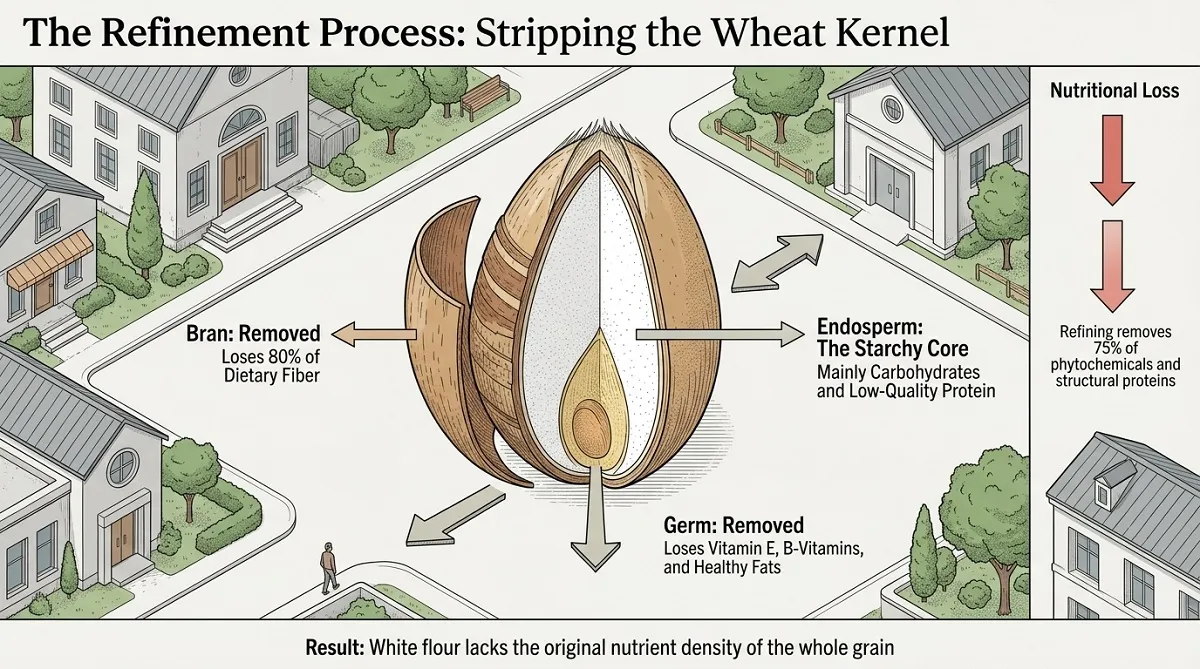
Across both Eastern and Western cultures, noodles and pasta are deeply ingrained dietary staples. They are cheap, shelf-stable, easy to prepare, and culturally comforting. However, conventional commercial noodles are manufactured almost exclusively from heavily refined white wheat flour.
During the refinement process, the bran and germ of the wheat are stripped away, removing the vast majority of dietary fiber, vitamins, and structural proteins. What remains is a dense concentration of simple starches.
The "Double Whammy" of Refined Carbohydrates
1. The Glycemic Shock: The simple starches are rapidly broken down by amylase enzymes in the saliva and small intestine. A massive load of glucose floods the bloodstream within 30 to 45 minutes of consumption. The pancreas must panic-pump insulin to handle the surge, which eventually leads to a reactive hypoglycemic crash—making the consumer hungry and lethargic just two hours later.
2. The Protein Deficit: To trigger Muscle Protein Synthesis (the biological process of building new muscle tissue), a human adult needs to consume roughly 25 to 30 grams of high-quality protein in a single meal, specifically ensuring adequate amounts of the amino acid Leucine. A standard bowl of wheat noodles provides only 5 to 7 grams of incomplete, low-quality protein.
The consumer is simultaneously overloading their bloodstream with glucose while starving their muscles of the raw materials needed to expand their metabolic capacity. Traditional staples actively sabotage blood sugar control.
The Breakfast and Dinner Trap
This deficit is most pronounced during breakfast and dinner. Breakfasts are traditionally carbohydrate-heavy (pastries, cereals, standard noodles, rice porridge). Dinners are often when people seek the comfort of a large bowl of pasta. By failing to provide a high-protein payload during these critical feeding windows, consumers miss daily opportunities to stimulate muscle growth, leaving their metabolism stagnant.
Consumers are becoming acutely aware of this conflict. They know they need more protein, and they know they need to control their blood sugar, but they do not want to give up the culinary experience of eating noodles. They are experiencing “diet fatigue” from drinking chalky protein shakes and eating dry chicken breasts. They are desperately seeking a bridge between the food they want to eat and the nutrition they need to consume.
IV. Product Synergy: High-Protein Noodles as a Metabolic Game-Changer
This precise dietary conflict is why our High-Protein Noodles represent a category-defining commercial opportunity. We have engineered a staple food that satisfies the psychological craving for comfort carbohydrates while delivering the rigorous macronutrient profile required to build muscle and stabilize blood sugar.
Reinventing the Comfort Food
The Nutritional Breakdown: Why It Works
1. High-Density Amino Acid Matrix: Hethstia High-Protein Noodles deliver a massive protein payload per serving, easily hitting the 25-30g threshold necessary to trigger Muscle Protein Synthesis. When a consumer eats our noodles, they are directly feeding their skeletal muscle, expanding their body’s “glucose sink.”
2. Ultra-Low Glycemic Index (GI): Because the carbohydrate structure is fortified with dense structural proteins and dietary fiber, the digestive enzymes in the human gut cannot break the noodles down rapidly. The glucose is released into the bloodstream in a slow, steady trickle. There is no blood sugar spike, no insulin panic, and no subsequent crash.
3. The Satiety Multiplier: Protein and fiber are the two most satiating macronutrients in human nutrition. By combining them in a solid, warm, savory format (which is psychologically more satisfying than a liquid protein shake), the consumer experiences profound fullness that lasts for 4 to 6 hours, naturally reducing their daily caloric intake without the feeling of starvation.
Authoritative Comparison
To understand the sheer market advantage, B2B partners must look at the empirical nutritional differences. Table 1 outlines why health-conscious consumers are abandoning traditional staples.
Table 1: Traditional Wheat Noodles vs. Functional High-Protein Noodles
| Nutritional Metric | Traditional White Flour Noodles | Our High-Protein Noodles |
| Protein per Serving | 5g – 7g (Incomplete) | 20g – 25g+ (Complete Matrix) |
| Glycemic Index (GI) | High (70+) | Low (< 40) |
| Blood Sugar Response | Rapid Spike & Crash | Slow, Sustained Release |
| Muscle Synthesis Potential | Negligible | High (Triggers MPS) |
| Satiety Duration | 1.5 – 2 Hours | 4 – 6 Hours |
| Primary Metabolic Effect | Promotes Fat Storage | Promotes Muscle Maintenance |
By swapping just one meal a day from traditional noodles to High-Protein Noodles, a consumer drastically alters their daily metabolic trajectory. They stop flooding their system with rapid sugars and start providing the exact building blocks required for long-term blood sugar resilience.
V. Practical Strategy & Market Application
Understanding the science is only half the equation. For distributors and retail partners, the value lies in knowing exactly how the target demographics will integrate this product into their daily lives, and how to position it for maximum sales velocity.
How Consumers Build Their Metabolic Shield
Our High-Protein Noodles are designed for effortless integration. Consumers do not need to learn new cooking skills; they simply replace their standard noodles in their favorite recipes.
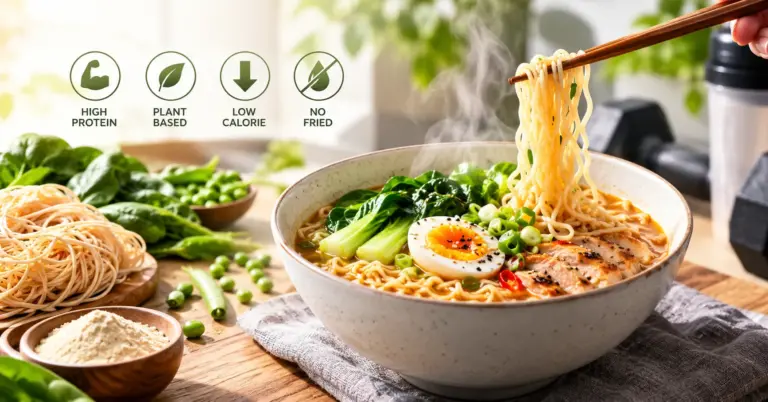
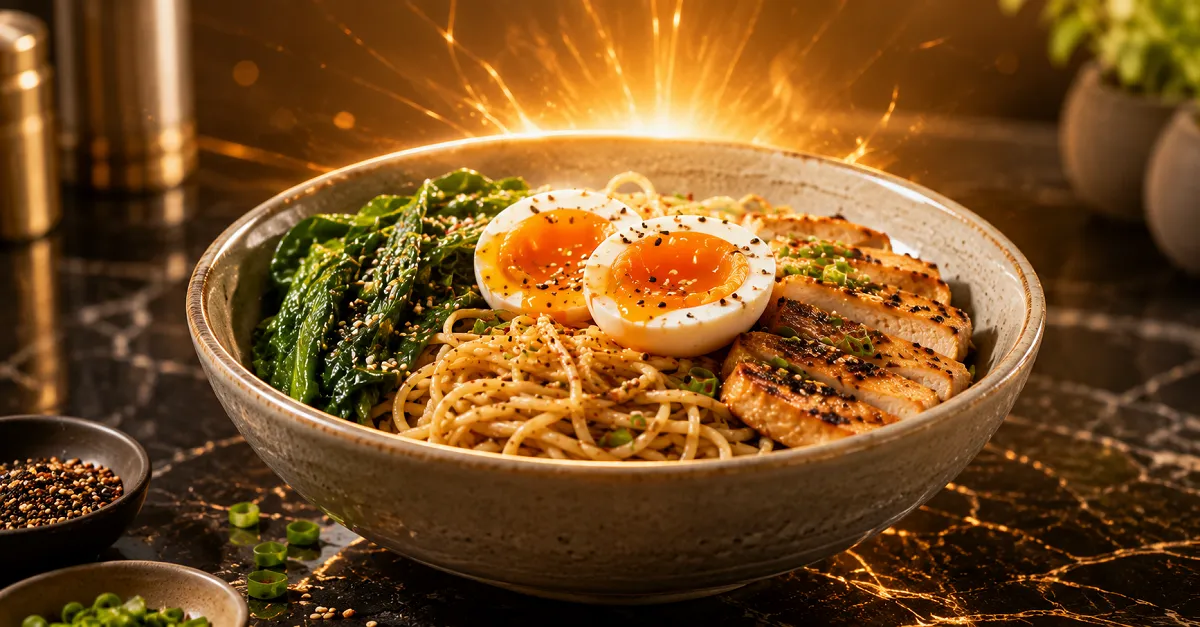
The Savory High-Protein Breakfast: As discussed, the “Second Meal Effect” proves that a low-GI, high-protein breakfast stabilizes blood sugar for the entire day. A quick, 5-minute savory noodle bowl topped with an egg and spinach has become a massive trend among diabetic and fitness communities.
Post-Workout Recovery: After resistance training, the muscles are primed to absorb nutrients. Our noodles provide the ideal ratio of complex carbohydrates (to replenish depleted muscle glycogen) and high-quality protein (to repair and build the muscle fibers), all in a highly satisfying, real-food meal.
The Guilt-Free Dinner: The fear of “eating carbs at night” is a major pain point for consumers. High-Protein Noodles allow families to enjoy a traditional pasta dinner without the fear of waking up with elevated fasting blood glucose levels.
B2B Market Positioning
The versatility of this product allows B2B partners to target multiple highly lucrative consumer segments simultaneously.
Table 2: Target Demographics & B2B Marketing Angles
| Target Demographic | Primary Pain Point | The High-Protein Noodle Solution |
| Type 2 Diabetics | Needs stable blood sugar; misses traditional foods. | Low GI, zero glucose spikes, safely satisfies carb cravings. |
| Fitness Enthusiasts | Diet fatigue from chicken/rice; needs high protein. | 25g+ protein per serving; incredible culinary variety. |
| Aging Population | High risk of Sarcopenia; poor protein digestion. | Easy to chew and digest; protects critical muscle mass. |
| Weight Managers | Constant hunger; struggles with portion control. | Massive satiety from protein/fiber; prevents binge eating. |
VI. Conclusion: Don’t Just Starve the Disease, Feed the Engine
The era of managing metabolic health through deprivation is ending. The modern consumer is educated, discerning, and demands products that offer both high-level functionality and uncompromising culinary satisfaction.
Blood sugar control and weight management are not achieved by treating the human body as a problem to be restricted. They are achieved by treating the body’s muscular system as a powerful engine that needs to be fueled, protected, and built.
For B2B distributors, supermarket chains, and health and wellness brands, our High-Protein Noodles represent more than just a new SKU on the shelf. They represent a highly profitable, scalable solution to a global health crisis. By partnering with us, you are offering your customers a product that fundamentally rewrites their metabolic health—one delicious, high-protein bowl at a time. Empower your retail strategy by providing the ultimate functional staple.
VI. Frequently Asked Questions (FAQs)
1. Does building muscle really lower long-term A1C levels?
Yes, absolutely. A1C is a measure of your average blood glucose levels over a 2-3 month period. Because skeletal muscle is the primary tissue responsible for absorbing glucose from the bloodstream, increasing your muscle mass permanently expands your body’s capacity to handle carbohydrates. Clinical studies consistently show that individuals who engage in resistance training and consume adequate protein experience significant, sustained reductions in their A1C levels.
2. Why should consumers choose High-Protein Noodles over traditional whey protein shakes?
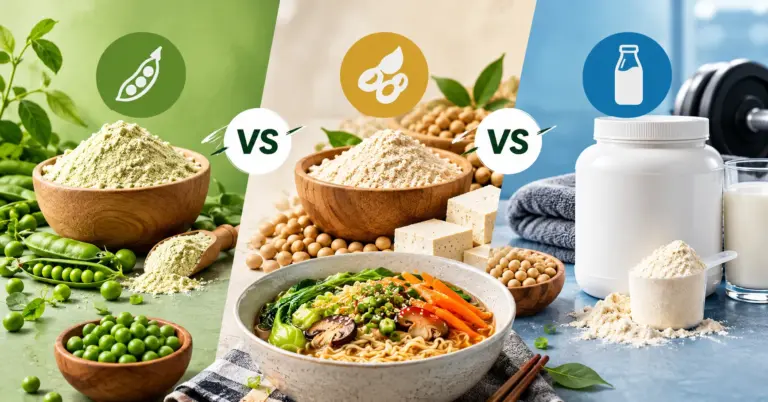
While protein shakes are a convenient source of amino acids, they lack the structural matrix of whole foods. Liquid calories bypass the mechanical digestion process in the stomach, meaning they digest very quickly and do not provide lasting satiety. High-Protein Noodles offer a “chew factor” (mastication) and physical volume that triggers powerful fullness signals in the brain. Furthermore, they provide a sense of culinary normalcy and comfort that drinking a shake simply cannot replicate.
3. Are these high-protein noodles suitable for both Type 1 and Type 2 Diabetics?
Yes. For Type 2 Diabetics, the ultra-low Glycemic Index helps prevent insulin spikes, while the protein builds the muscle needed to combat insulin resistance. For Type 1 Diabetics (who must inject insulin), the slow, predictable digestion rate of our noodles makes it much easier to match insulin dosages accurately, drastically reducing the risk of unexpected hypoglycemic (low blood sugar) or hyperglycemic (high blood sugar) episodes after a meal.
4. How do high-protein diets affect kidney function in diabetic patients?
This is a common and important medical question. Current nephrology and endocrinology guidelines clearly state that for individuals with normal kidney function (even if they are diabetic), high-protein diets do not damage the kidneys. However, for patients who already have diagnosed Diabetic Nephropathy (advanced chronic kidney disease), protein intake must be monitored and adjusted by their physician. For the vast majority of the population, increasing protein to build muscle is entirely safe and metabolically beneficial.
5. What is the shelf life and storage requirement for B2B distribution?
Our advanced manufacturing and dehydration processes ensure that the High-Protein Noodles boast a highly stable shelf life, typically ranging from 12 to 24 months depending on the specific packaging SKU. They do not require cold chain logistics or refrigeration. They are completely shelf-stable at standard room temperatures, making them incredibly cost-effective for international shipping, warehousing, and retail shelf display.
6. How does the cost per serving compare to traditional functional foods?
While High-Protein Noodles carry a premium over standard, nutrient-void white flour pasta, they are highly competitive within the functional food and sports nutrition sectors. When consumers calculate the cost of buying traditional pasta plus a separate high-quality protein source (like a premium steak, chicken breast, or protein powder) to achieve the same macro profile, our noodles represent a significant cost saving and a vast improvement in convenience.
7. Can older adults suffering from Sarcopenia digest these high-protein noodles easily?
Yes. Sarcopenia (age-related muscle loss) is a massive driver of metabolic dysfunction in older adults. Often, elderly individuals struggle to chew or digest tough, dense protein sources like heavy red meats. Our High-Protein Noodles provide a soft, easily masticated texture that is gentle on the digestive tract while delivering the critical, highly bioavailable amino acids required to halt muscle wasting and protect their metabolic health.
8. What specific marketing claims can distributors legally make regarding blood sugar?
While specific legal phrasing depends on your country’s regulatory body (e.g., FDA in the US, EFSA in Europe), distributors can generally make structural and functional claims. You can safely state that the product is “High in Protein,” “A Low Glycemic Index (GI) Food,” “Helps Support Muscle Maintenance,” and “Provides Sustained Energy without Rapid Blood Sugar Spikes.” We provide our B2B partners with comprehensive compliance guidelines and nutritional analysis certificates to ensure all marketing is both powerful and legally secure.