

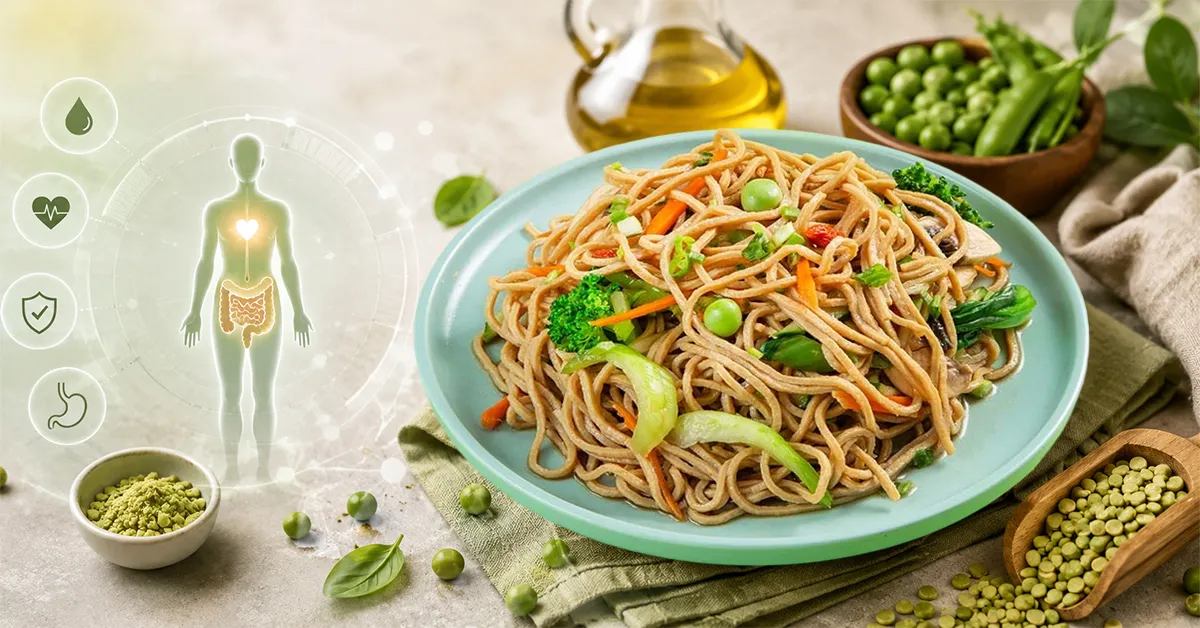
At Hethstia, we consistently emphasize one fundamental truth of nutritional science: a healthy diet does not mean cutting out carbohydrates. In fact, eliminating staple foods from your daily life can do far more harm than good to your metabolism, energy levels, and long-term well-being. The real secret lies not in deprivation, but in strategic selection, portion control, and nutritional synergy.
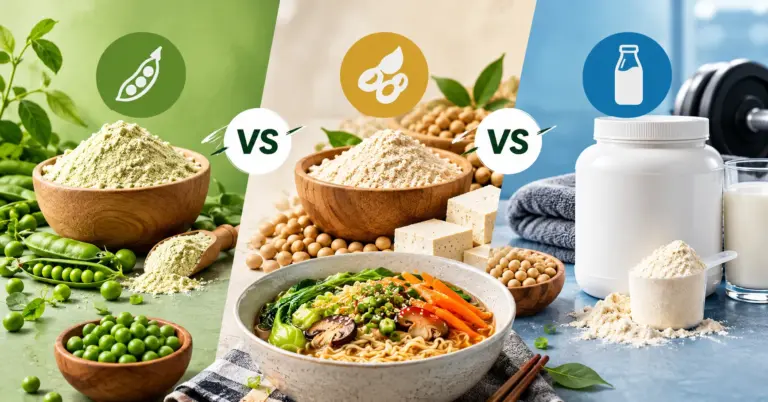
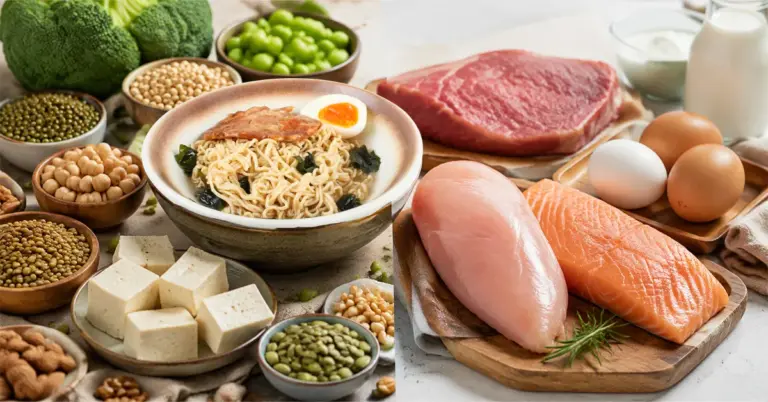
When it comes to picking the ideal staple food, clinical research and dietary guidelines have long pointed to a specific category of nutrition that remains tragically underutilized by the general public: pulses and legume grains. This family includes red beans, mung beans, chickpeas, broad beans, and—most notably—peas. Unlike yellow soybeans and black soybeans, which are high in fat and low in carbohydrates, these mixed pulses represent a unique nutritional matrix that balances complex carbohydrates with high concentrations of plant protein and dietary fiber.
For many people, the immediate reaction is: “Can beans really replace traditional pasta or rice as a daily staple?” Not only is the answer a resounding yes, but they can be considered the “perfect staple.”
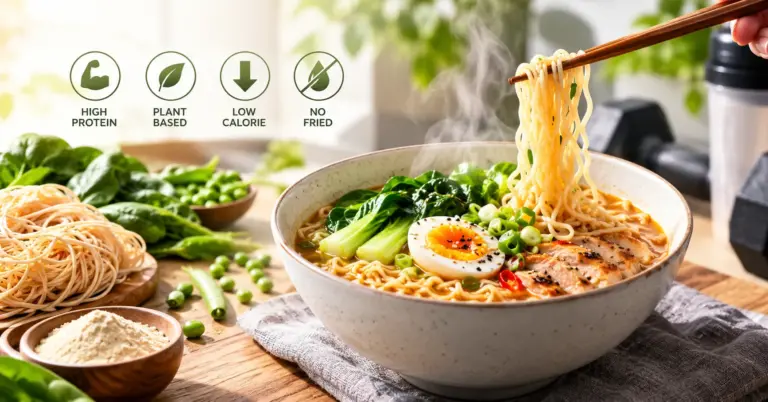
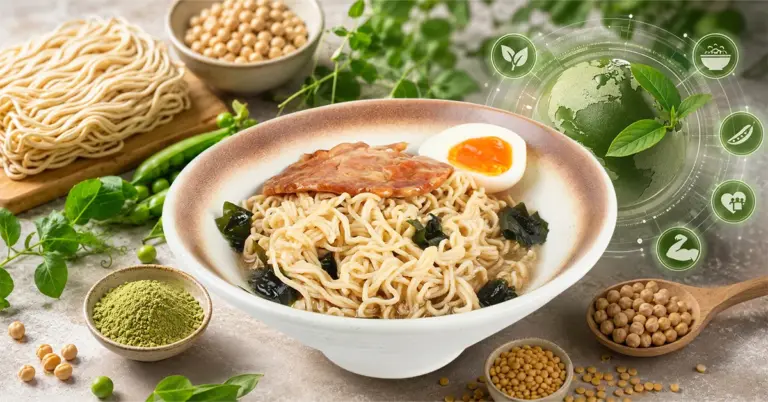
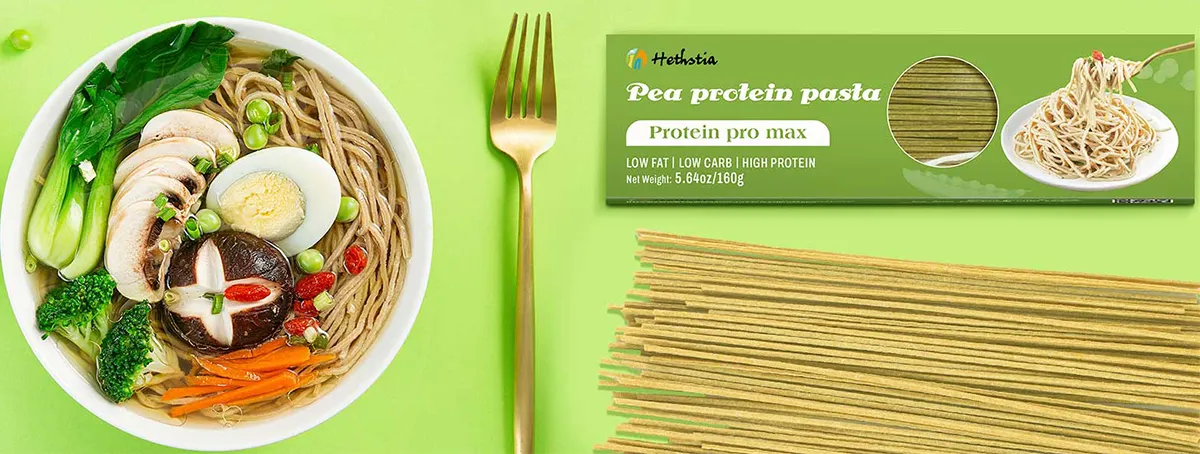
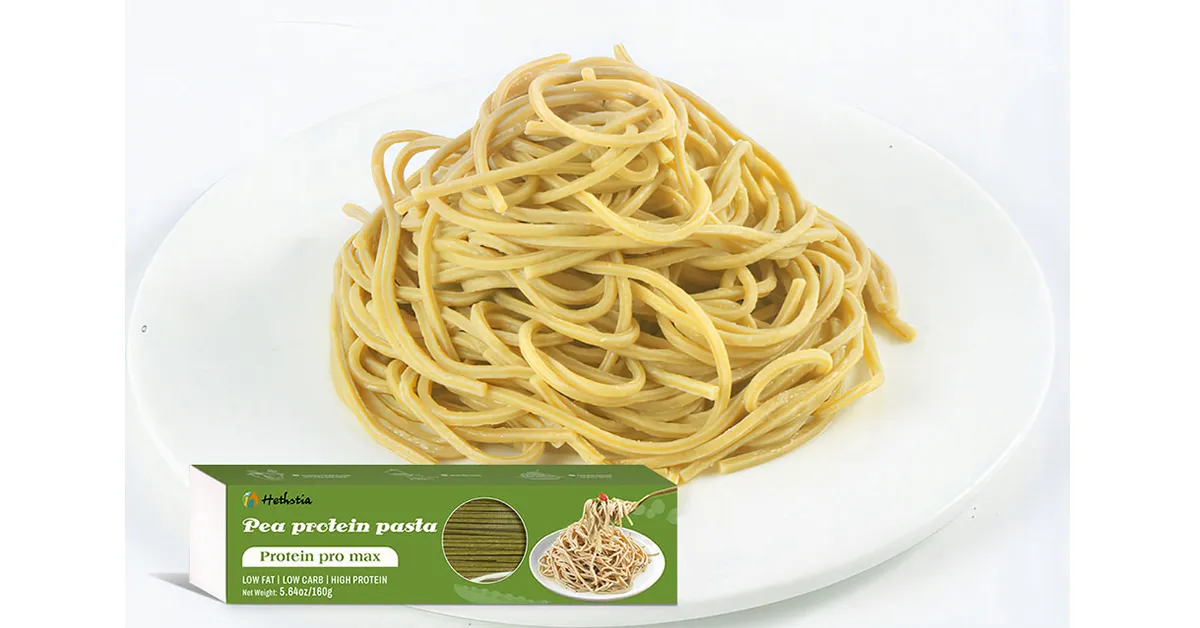
To eliminate the inconvenience of traditional pulse preparation—such as overnight soaking and long boiling times—Hethstia has revolutionized this nutritional powerhouse into a convenient, delicious alternative: Hethstia High-Protein Pea Pasta. By transforming premium peas into a versatile noodle form, we have unlocked a modern lifestyle shortcut that offers all the therapeutic metabolic benefits of pulses with the comfort and speed of a traditional Italian noodle dish.
1.The Blood Sugar Blueprint: Why Pea Pasta Outperforms All Traditional Grains
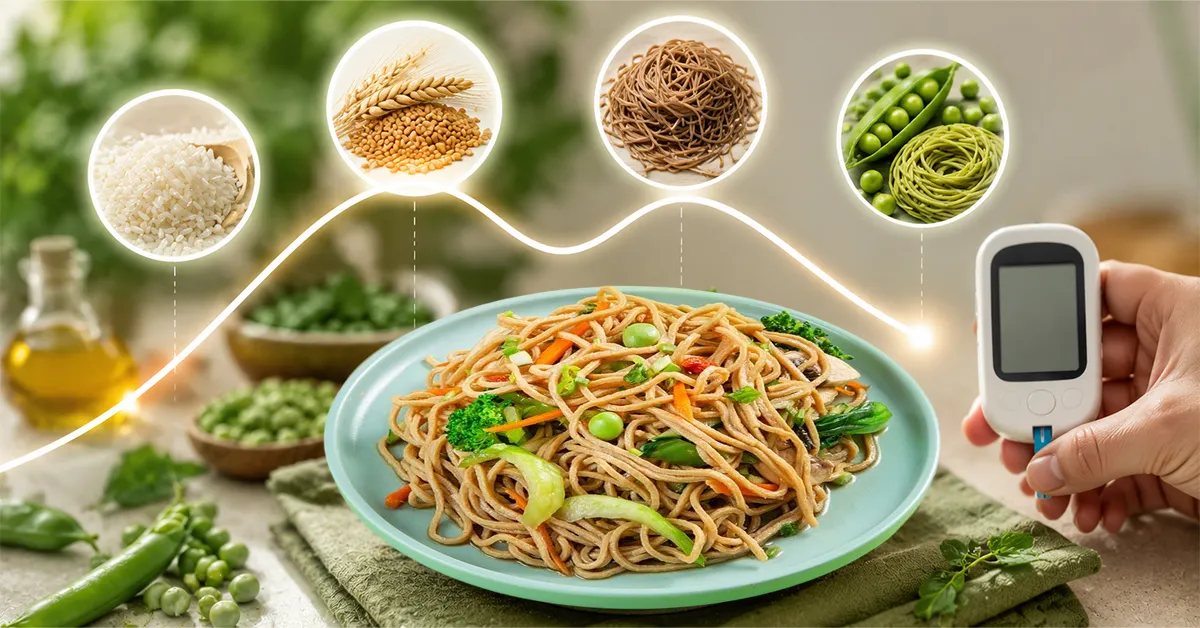
For anyone monitoring their HbA1c (glycated hemoglobin) or managing daily glucose fluctuations, choosing the right staple food is the single most critical decision of the day. While foods like brown rice, whole wheat bread, and buckwheat noodles are frequently recommended as healthy options, clinical data reveal that pulse-based staples operate on an entirely superior level.
The Glycemic Index First-Tier
The Glycemic Index (GI) measures how rapidly a carbohydrate-containing food raises blood glucose levels. Foods with a GI score below 55 are classified as low-GI options.
- White rice sits at an alarming 81–89
- Standard white wheat pasta averages around 50–55
- Whole grains typically range between 45 and 65.
- In contrast, the GI of pulses—specifically peas—hovers between an incredibly low 20 and 45.
This positions pea-based staples firmly within the lowest tier of the low-GI category, ensuring a slow, sustained release of glucose into the bloodstream rather than a dangerous post-meal spike.
The Structural Resilience to Cooking
One of the most frustrating aspects of managing dietary glucose with traditional starches is the “overcooking trap.” When grains like white rice, oats, or wheat noodles are boiled until they are soft and tender, their starch molecules undergo extensive gelatinization. This process breaks down the physical barriers of the grain, making it incredibly easy for digestive enzymes to convert the starches into glucose rapidly, causing a massive spike in blood sugar.
This is where the unique biochemistry of Hethstia High-Protein Pea Pasta provides an extraordinary metabolic advantage. Even when cooked thoroughly, the intrinsic protein-fiber matrix of the pea prevents the starch from rapidly breaking down.
Consider the scientific behavior of pulses under heat: even when stewed or boiled for an extended period, their GI remains remarkably stable and low. For example, when certain pulses are boiled for over an hour until completely soft, their GI score only inches up to about 29. When you consume Hethstia Pea Pasta, the starch is structurally shielded by dense layers of pea protein and insoluble fiber, ensuring it remains a low-to-medium glycemic food regardless of whether you prefer your noodles al dente or soft.
The Phenomenon of the "Second-Meal Effect"
The benefits of substituting your traditional noodles with Hethstia Pea Pasta extend far beyond the immediate post-meal window. Legumes possess a well-documented clinical attribute known in metabolic research as the “Second-Meal Effect.”
In simple terms, consuming a pulse-based staple for breakfast significantly reduces the blood glucose spike of your lunch, even if your lunch contains higher-glycemic foods. Similarly, enjoying a bowl of pea pasta for dinner works overnight to stabilize your fasting glucose and suppress the glycemic response of your breakfast the following morning.
This sustained stability occurs because the prebiotic fibers and resistant starches within peas undergo a slow fermentation process in your large intestine. This production of short-chain fatty acids (SCFAs) directly improves systemic insulin sensitivity and regulates hepatic glucose output for hours after consumption. Over time, substituting standard noodles with pea pasta has been shown to improve long-term insulin sensitivity and lower overall HbA1c levels more effectively than standard whole-wheat products.
2. The Metabolic Masterclass: Cardiovascular Protection, Lipid Management, and Body Fat Reduction
Beyond blood sugar regulation, transitioning to a pea-protein-based noodle serves as a comprehensive tool for optimizing metabolic health. Systematic clinical reviews have consistently demonstrated that integrating pulses into daily dietary patterns for as little as one to two months yields measurable, statistically significant improvements across several vital biometric markers.
Cardiovascular and Lipid Optimization
Regular intake of legume-based proteins and fibers has been directly linked to the following clinical outcomes:
- Reduction in Systemic Blood Pressure: Attributed to the natural vasodilatory properties of the amino acid profile and mineral content in peas.
- Lowering of Circulating Cholesterol: A notable decrease in both fasting Low-Density Lipoprotein Cholesterol (LDL-C) and Total Cholesterol.
- Suppression of Systemic Inflammation: Lower blood serum levels of key inflammatory cytokines, specifically Interleukin-17 (IL-17) and Interleukin-1β (IL-1β), are deeply implicated in the progression of atherosclerosis and cardiovascular disease.
Accelerated Weight Loss and Waist Circumference Reduction
For individuals navigating a calorie-restricted lifestyle or pursuing sustainable weight loss, Hethstia High-Protein Pea Pasta acts as an exceptional asset. Clinical studies observing subjects on weight-loss regimens have noted that when calories are kept identical, groups consuming meals rich in pulses lose significantly more total body weight, experience a greater reduction in total body fat percentage, and show a more pronounced decrease in waist circumference compared to those relying on standard grains.
This weight-management advantage is powered by the comprehensive nutritional architecture of the pea:
| The Nutritional Architecture of the Pea Staple | |
| High Plant Protein | Activates Satiety Hormones |
| Dense Dietary Fiber | Prolongs Gastric Emptying |
| Micronutrient Abundance | Optimizes Cellular Energy |
- Satiety Amplification via Plant Protein: Replacing low-protein white flour or rice with pea protein stimulates the release of key satiety hormones, such as Peptide YY (PYY) and Glucagon-Like Peptide-1 (GLP-1), signaling your brain that you are full and preventing overeating.
- The Mineral Shield (Potassium & Magnesium): Refined grains are virtually stripped of essential electrolytes during processing. Peas, however, naturally act as a concentrated reservoir for potassium and magnesium—two minerals vital for maintaining vascular elasticity and regulating blood pressure. The potassium content in pulses is generally 6 to 10 times higher than that of refined white rice or plain white flour, while the magnesium content is 3 to 7 times higher.
- Phytochemical Composition: The outer layers and cellular structures of pulses are rich in natural polyphenols, phytic acid, and saponins. While historically mislabeled by some as “antinutrients,” modern science recognizes that in controlled dietary amounts, these bioactive compounds act as potent antioxidants that protect vascular endothelial cells from oxidative stress.
3. Optimizing Gut Health, Dietary Fiber Integration, and Micronutrient Sufficiency
One of the most pervasive hidden crises in the modern urban diet is the widespread deficiency of dietary fiber and essential B-complex vitamins, driven largely by the overconsumption of ultra-processed, ultra-refined starches.
The Triple-Action Fiber Synergy
Hethstia High-Protein Pea Pasta delivers a highly sophisticated combination of three distinct structural carbohydrates:
Insoluble Dietary Fiber + Soluble Prebiotic Fiber + Resistant Starch
This precise botanical combination performs dual functions in the gastrointestinal tract. The insoluble fiber provides structural bulk to promote efficient peristalsis (smooth bowel movements), preventing chronic constipation. Simultaneously, the soluble prebiotic fiber and resistant starch serve as primary fuel sources for the beneficial bacteria residing in your gut microbiome. As your microbiome ferments these compounds into short-chain fatty acids like butyrate, the structural integrity of your intestinal wall is reinforced, lowering systemic endotoxemia and supporting your overall immune system.
Solving the Hidden B-Vitamin Crisis
Data published by the National Institute for Nutrition and Health at the Chinese Center for Disease Control and Prevention (CDC) highlights a stark reality regarding modern nutritional status:
86.73% of the surveyed population exhibits a distinct deficiency in Vitamin B1 (Thiamine), while a staggering 95.98% fails to meet the required intake for Vitamin B2 (Riboflavin).
The vast majority of modern individuals are living in a state of chronic sub-clinical B-vitamin depletion, a direct consequence of a diet centered around polished white rice and refined white flour, which lose their nutrient-rich germ and bran layers during milling. Vitamin B1 and B2 are absolutely indispensable cofactors for cellular energy production and carbohydrate metabolism; without them, your body cannot efficiently convert starches into usable energy, leading to sluggishness and increased fat storage.
By switching your daily noodle dish to a pea-based pasta, you instantly correct this micronutrient deficit. Peas are naturally rich in the entire B-complex spectrum—particularly Thiamine, Riboflavin, and Folate (Vitamin B9). Folate is especially critical for cellular repair, DNA synthesis, and cardiovascular health, making pea pasta an excellent, nutrient-dense choice for natural cellular recovery.
The Uric Acid and Purine Myth: An Essential Science Update
A common misconception that frequently prevents individuals from consuming legume-based foods is the fear of purines and their relationship to elevated uric acid and gout.
Modern clinical rheumatology has thoroughly updated these guidelines. Large-scale epidemiological studies have definitively shown that plant-based purines do not increase the risk of developing hyperuricemia or gout. In fact, current clinical research indicates that the regular, moderate consumption of legume-based foods is actually correlated with a reduced risk of gout flare-ups. This is due to the anti-inflammatory properties of pulse fibers and the presence of specific compounds that assist the kidneys in processing uric acid efficiently.
4. The Authoritative Staple Food Comparison Matrix
To illustrate the stark differences between traditional refined carbohydrates, standard whole grains, and our specialized pea-protein alternative, examine the authoritative nutritional breakdown below.
The following data compares the average nutritional yield per 100g of dry weight across four major staple categories:
Nutritional Metric (per 100g dry weight) | Refined White Rice | Standard Wheat Pasta | Whole Wheat Pasta | Hethstia High-Protein Pea Pasta |
Glycemic Index (GI Value) | 81 – 89 (High) | 50 – 55 (Medium) | 45 – 50 (Low-Med) | 25 – 35 (Ultra-Low) |
Protein Content (g) | 6.5g – 7.5g | 11.0g – 12.5g | 13.0g – 14.5g | 23.0g – 26.0g |
Total Dietary Fiber (g) | 0.6g – 1.0g | 2.5g – 3.0g | 6.0g – 8.0g | 12.0g – 15.0g |
Potassium Content (mg) | ~100mg | ~180mg | ~250mg | ~850mg – 1,000mg |
Magnesium Content (mg) | ~25mg | ~40mg | ~75mg | ~140mg – 170mg |
Vitamin B1 (Thiamine) (mg) | ~0.08mg | ~0.16mg | ~0.40mg | ~0.70mg – 0.85mg |
Metabolic Satiety Window | Short (1–2 hours) | Moderate (2–3 hours) | Extended (3–4 hours) | Maximum (4–6 hours) |
5. Practical Implementation: How to Transition to Pea Pasta Smoothly
While the nutritional profile of peas is extraordinary, transitioning your diet incorrectly can sometimes lead to temporary digestive adjustments. Because pulses are incredibly rich in complex fibers and oligosaccharides, consuming too much too quickly can occasionally cause mild bloating or flatulence as your gut microbiome adjusts to its new fuel source.
To ensure a seamless, comfortable transition, follow this simple implementation protocol:
Step 1: The Gradual Adaptation Method
Do not completely replace all your carbohydrates overnight. Start by substituting a single meal’s starch with Hethstia High-Protein Pea Pasta, or mix it alongside a small portion of your usual staple. Begin with a smaller portion size—around 40g to 50g of dry pasta—to let your digestive system adapt comfortably.
Step 2: The Principle of Amino Acid Complementary Pairing
From a biochemical standpoint, while pea protein is remarkably high in total amino acids, it is slightly lower in the essential sulfur-containing amino acid methionine, whereas it is exceptionally high in lysine. Conversely, traditional cereal grains (like rice, oats, or corn) are low in lysine but high in methionine.
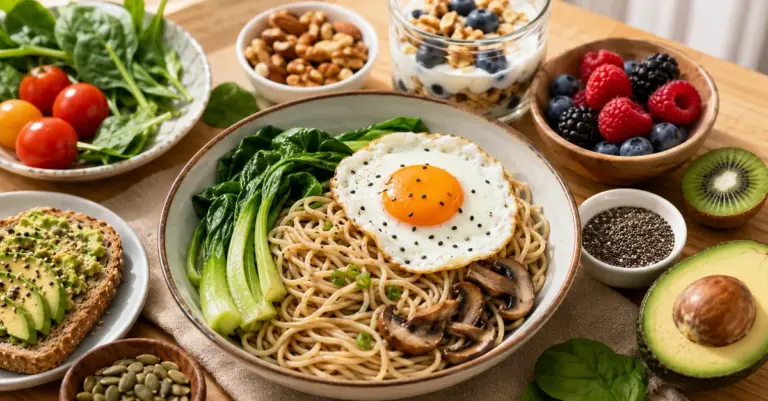
By pairing your Hethstia Pea Pasta with a small side of whole-grain components, sesame seeds, or a light lean animal protein, you create a complete protein synergy. This pairing instantly elevates the net protein utilization rate of your meal to its absolute maximum level, mimicking the biological value of high-end egg or dairy proteins.
Step 3: Precise Culinary Preparation to Protect Vital Nutrients
Because Hethstia Pea Pasta is naturally dense in heat-sensitive B-complex vitamins, your cooking technique matters:
- Bring water to a rolling boil, drop the pasta in, and cook until it reaches your desired texture.
- Avoid over-boiling for extended periods or leaving the cooked noodles sitting in a heated rice cooker or pot on a continuous “keep warm” setting. Prolonged exposure to high heat can reduce the content of essential vitamins B1 and B2 by up to 40%.
- For an optimal sensory profile, toss the drained noodles quickly into a fresh, light olive oil or tomato-basil emulsion. The rough, bronze-extruded texture of our pea pasta will naturally grab onto the sauce beautifully without requiring heavy, fat-laden creams.

6. Strategic Summary
The era of choosing between satisfying your love for pasta and maintaining excellent metabolic health is officially over. Traditional modern processing methods have long stripped our staple foods of their intrinsic nutritional value, resulting in high-glycemic options that contribute to chronic blood sugar issues, micronutrient depletion, and weight gain.
Hethstia High-Protein Pea Pasta solves this dilemma by turning a nutrient-dense pulse into a convenient, delicious noodle. With its ultra-low glycemic response, powerful second-meal effect, and exceptional concentrations of plant protein, dietary fiber, and essential minerals, it provides a comprehensive approach to optimizing your metabolism. By introducing pea-based pasta into your weekly meal rotation, you are not simply eliminating refined carbs; you are upgrading your diet to a scientifically optimized, highly functional lifestyle choice that supports long-term glucose control, cardiovascular health, and digestive vitality.