


Eating well and sleeping soundly are arguably the greatest desires of modern life. Yet, in reality, an increasing number of people find themselves plagued by various frustrating sleep issues. Perhaps you find yourself tossing and turning for hours, unable to fall asleep, or you wake up in the middle of the night to use the bathroom and lie awake for an hour or two. Others might wake up precisely at 5:00 or 6:00 AM every single day, feeling as though they haven’t slept at all.
There are many known culprits for poor sleep: it could be high stress, ambient light in your bedroom, or simply that the novel or video you were engaging with before bed was too captivating. However, recent research highlights another frequently overlooked factor that is quietly sabotaging your rest: you are eating the wrong dinner.
Research Reveals: Not Eating Enough Carbs Ruins Your Sleep Architecture
In today’s fitness and wellness landscape, many health-conscious individuals severely restrict or eliminate their carbohydrate intake in the name of weight loss or strict blood sugar control. For these individuals, dinner often swings between two drastic extremes: it is either a meager bowl of vegetables with a little meat or fruit, or it is a “cheat day” indulgence consisting of greasy barbecue and fried skewers to satisfy cravings. By the end of the day, their total carbohydrate intake is pitifully low.
This specific dietary pattern is quietly interfering with your sleep.
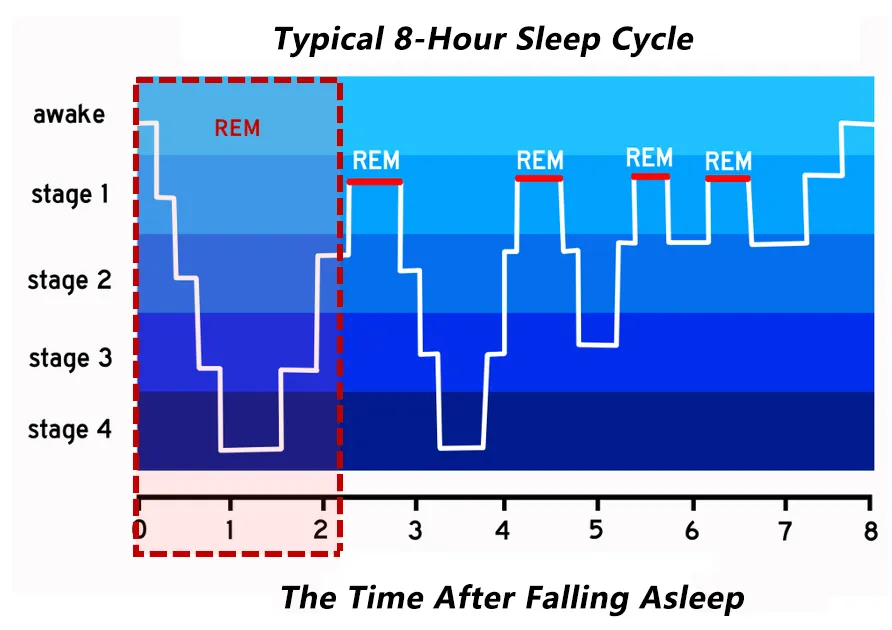
Researchers conducted a fascinating study involving six healthy women, observing them over a period of seven days on a normal diet versus seven days on a strict low-carb diet. During the low-carb phase, their carbohydrate intake was restricted to just 10% of their daily calories, amounting to exactly 50 grams per day. The results were eye-opening: during the low-carb days, the latency to Rapid Eye Movement (REM) sleep jumped from 66 minutes to 111 minutes!
What does this tell us? First, what you eat directly and profoundly alters your biological sleep structure. Second, eating too few carbohydrates drastically delays the onset of restorative dreams—by a full 45 minutes—which can leave you feeling exhausted, unrefreshed, and poorly recovered the next morning.
To put that into perspective, what does 50 grams of carbohydrates look like? It is roughly equivalent to just one of the following:
- 1 flat bowl of white rice (200 grams)
- 1 steamed sweet potato or 1 ear of corn (200–260 grams)
- 2 medium-sized apples (400 grams)
- 2.5 slices of whole wheat bread (100 grams)
If you are someone actively trying to lose weight, managing your blood sugar, or following a meat-heavy, low-carb lifestyle, you need to compare your intake with these numbers! The root cause of your sleep issues has finally been identified. Insufficient carbohydrate intake is also strongly linked to increased sleep fragmentation (frequent night awakenings), which is a hallmark complaint among people adhering to the ketogenic diet—a weight-loss method characterized by high fat and almost zero carbohydrates.
So, what is the solution? You need to eat more carbohydrates.
Researchers experimented with raising the proportion of carbohydrates consumed at dinner, and the findings were incredibly positive: participants fell asleep much faster, and their total time spent in REM sleep increased. This is completely different from the groggy “food coma” or “carb crash” you might feel after a heavy meal; it is a genuine, measurable improvement in overall sleep quality. The study discovered that increasing carbohydrate intake—whether specifically at dinner or distributed throughout the whole day—can successfully extend REM sleep by 8.9 minutes.
However, balance is critical. If your carbohydrates exceed 80% of your total caloric intake, your Slow Wave Sleep (SWS)—the deepest, most physically restorative phase of sleep—will decrease, effectively interfering with deep sleep. Carbohydrates cannot be eaten in too small quantities, nor in excessively large quantities. Getting a good night’s sleep isn’t as simple as mindlessly bingeing on massive bowls of white rice for dinner or downing a sugary drink right before bed.
Sleep Hormones are Hidden in Carbs: Why Quality and Quantity Matter
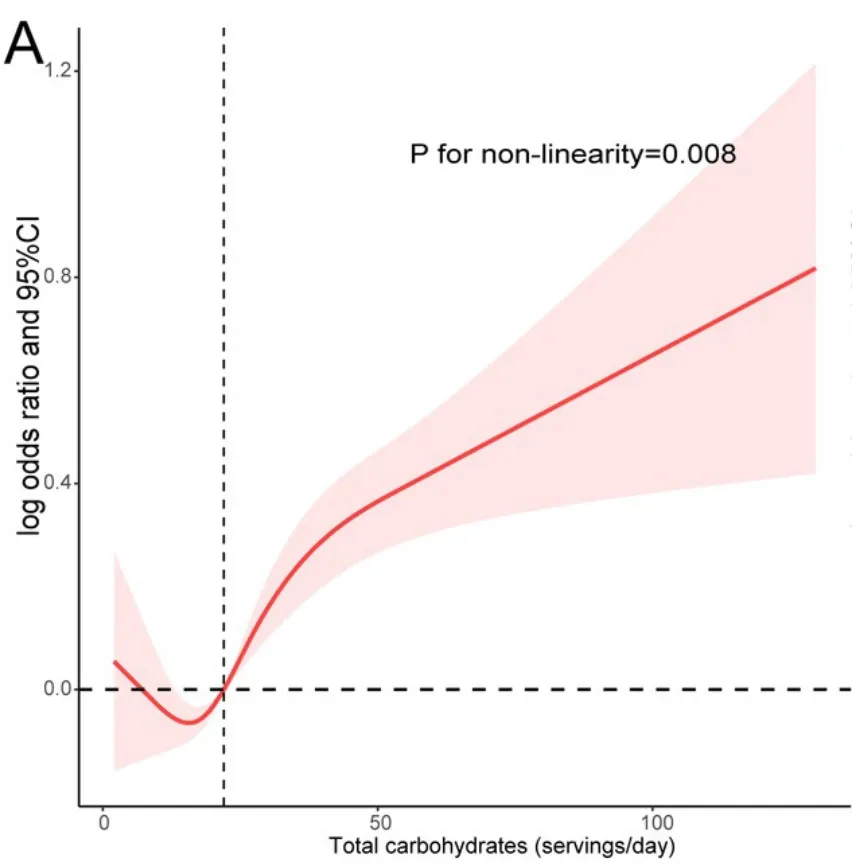
Carbohydrates are only beneficial for your sleep if consumed in the correct, appropriate amounts. A recent large-scale study revealed that the relationship between daily total carbohydrate intake and sleep patterns follows a U-shaped curve. The research pinpointed that a carbohydrate intake of approximately 238.5 grams per day is the optimal “sweet spot” for sleep.
One of the primary mechanisms through which carbohydrates promote sleep is by providing the necessary fuel for your body’s natural sleep hormones: serotonin and melatonin. The amount of carbohydrates you consume directly impacts the concentration of an amino acid called tryptophan, which is the direct precursor required to synthesize both serotonin and melatonin.
When you increase your carbohydrate intake, it prompts the release of insulin in your body. This insulin surge facilitates a vital physiological process: it helps more tryptophan successfully penetrate the blood-brain barrier, where it is subsequently used for the synthesis of melatonin and serotonin.
However, if you consume too many carbohydrates, or if the carbs you eat cause your blood sugar to spike too rapidly, it will trigger a cascade of opposing bodily reactions that will severely disrupt your rest. The quality of the carbohydrates you choose directly dictates your sleep outcomes.
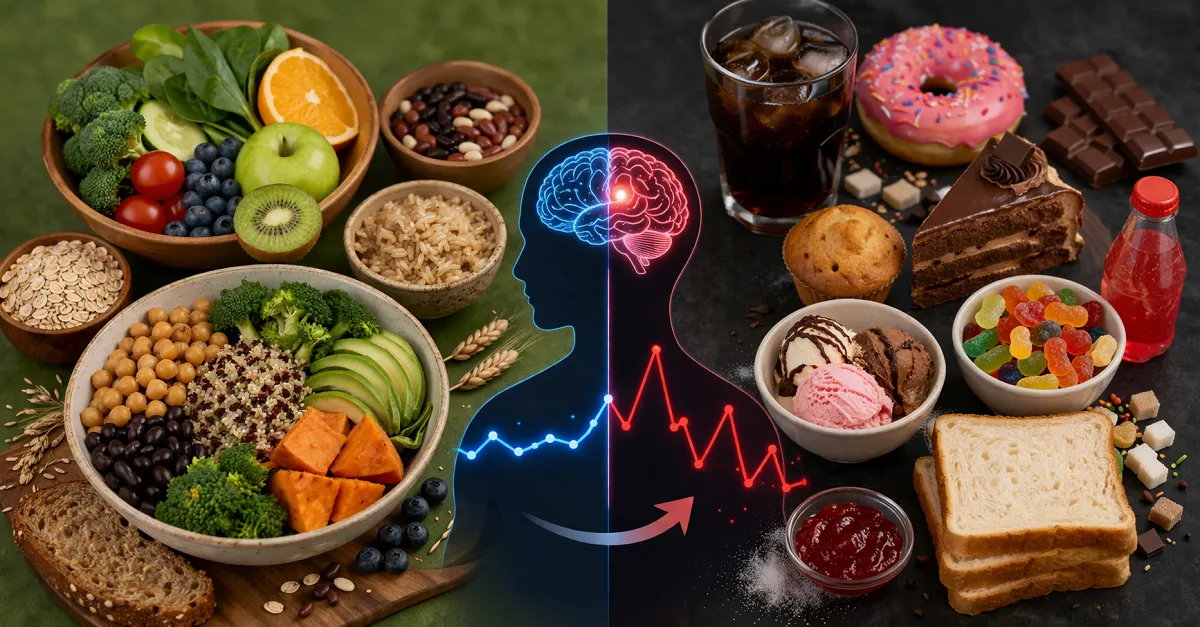
“Carbohydrate” is a broad umbrella term, and while many foods contain them, they are distinctly divided into good and bad categories:
- High-Quality Carbs: Whole, intact fruits, non-starchy vegetables, whole grains, and legumes.
- Low-Quality Carbs: Sweetened beverages, and the added sugars found in snacks like cakes, bread, jelly, chocolate, and ice cream.
Good and bad carbohydrates have opposing effects on your sleep. Only consuming an adequate amount of high-quality carbohydrates will actively promote sleep. In stark contrast, participants who consume excessive amounts of carbohydrates, or those whose primary source of carbs comes from added sugars (low-quality carbs), face a dramatically higher risk of suffering from poor sleep patterns, abnormal sleep durations, loud snoring, and excessive daytime sleepiness.
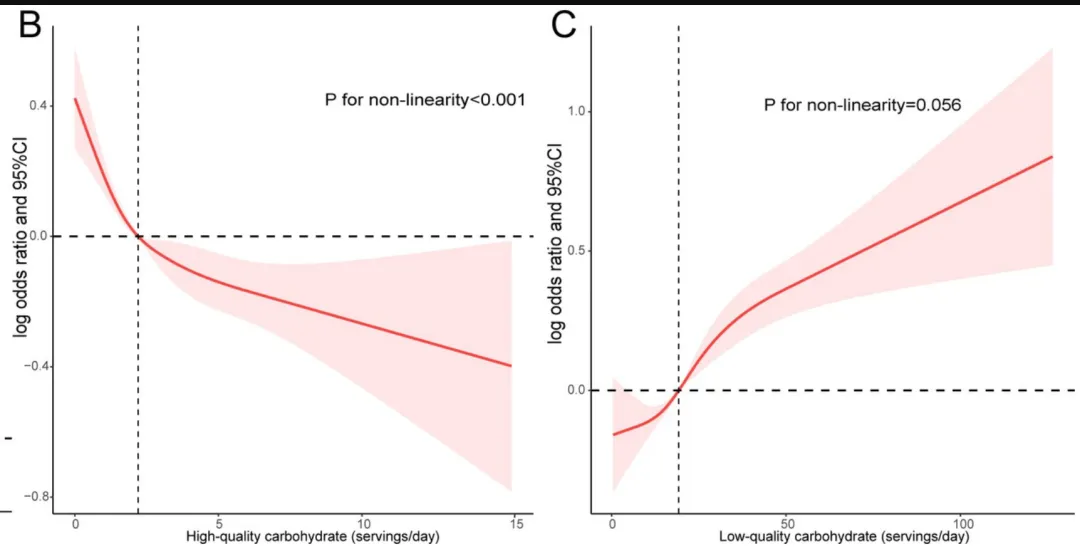
This is inextricably linked to how different carbohydrates influence your body’s glycemic (blood sugar) response. Low-quality carbohydrates, particularly those laden with added sugars, are mostly High Glycemic Index (GI) foods. Eating them causes your blood sugar to spike and crash in rapid, rollercoaster-like fluctuations. This volatile blood sugar environment forces your autonomic nervous system to secrete counter-regulatory hormones to stabilize you, including adrenaline, cortisol, glucagon, and growth hormone.
Experiencing these violent blood sugar and hormonal fluctuations while you are trying to sleep will lead to increased nighttime awakenings and severely drag down your overall sleep efficiency. Furthermore, an overload of carbohydrates and added sugars can alter your gut microbiome and trigger systemic inflammatory responses in the body, which further interfere with healthy sleep.
A large-scale prospective study focusing on postmenopausal women clearly demonstrated that a progressively rising dietary GI is directly associated with an increased incidence of clinical insomnia over 3 years. Added sugars are unequivocally linked to the onset of insomnia.
Eating enough carbohydrates, and specifically eating good carbohydrates, is the foundational starting point for a perfect night’s sleep.
Professional Breakdown: Carb Quality & Sleep Impact
Carbohydrate Source | Glycemic Index (GI) | Impact on Blood Sugar | Impact on Sleep Architecture | Recommended Frequency |
Added Sugars (Cakes, Sweets) | Very High | Rapid spike and severe crash. | Triggers cortisol/adrenaline; causes frequent night waking; linked to clinical insomnia. | Avoid entirely before bed. |
Refined Grains (White Rice, Pasta) | High | Moderate to high spike. | Can induce initial drowsiness but may lead to fragmented sleep later in the night. | Limit to daytime meals. |
Whole Grains & Legumes | Low to Medium | Steady, sustained release. | Optimal for insulin release; facilitates tryptophan crossing the blood-brain barrier. | Optimal for Dinner. |
High-Protein Ramen | Low | Highly stabilized due to protein matrix. | Promotes deep satiety; steady glucose supply sustains REM sleep without spiking cortisol. | Highly Recommended. |
Upgrading Your Dinner with Hethstia
Hethstia High-Protein Ramen is a game-changer for your evening meal. While standard instant noodles or white pasta fall strictly into the “High GI / Low-Quality” category, Hethstia has engineered a noodle that perfectly balances your macronutrients. By weaving high-quality plant-based protein into the noodle structure, the digestion of the carbohydrates is significantly slowed down.
This provides the gentle, sustained insulin release required to push tryptophan into your brain, completely avoiding the harsh blood sugar spikes that trigger nighttime adrenaline surges. You get the comforting, satiating experience of a hot bowl of ramen, with the metabolic profile of a perfectly balanced health food.
There are many known culprits for poor sleep: it could be high stress, ambient light in your bedroom, or simply that the novel or video you were engaging with before bed was too captivating. However, recent research highlights another frequently overlooked factor that is quietly sabotaging your rest: you are eating the wrong dinner.
Start Eating Well to Sleep Well
While there are undeniably many factors that influence whether you get a good night’s sleep, making sure you eat well and consume enough high-quality carbohydrates gives your body the vital “capital” it needs to rest properly; this is an incredibly important step.
So, let’s start by simply eating well.
For friends who are ready to put this into practice, you might be asking: exactly how should I be eating my carbohydrates?
The general recommendation is to eat 200 to 300 grams (measured by raw weight) of grains every day. Within that amount, 50 to 150 grams should ideally come from whole grains or mixed beans. You should also aim to include 50 to 100 grams of tubers, such as potatoes or sweet potatoes.
If you are having trouble visualizing this, a good rule of thumb is to use your fist as a comparative guide. For every meal, you should eat roughly one fist-sized portion of staple foods. It is highly recommended to mix coarse, whole grains with your regular staples, as this is the primary and best source of premium, high-quality carbohydrates.
If you were to prepare the recommended 200 grams (raw weight) of mixed grain rice daily, the cooked volume would be substantial.
In addition to these grains, you should incorporate 200 to 350 grams of fruit into your daily routine, taking care to select fruits with a low Glycemic Index, such as kiwis or blueberries. Following these guidelines ensures that your overall carbohydrate intake appropriately makes up 50% to 65% of your total daily calories.
Friends who are actively trying to lose weight can adjust these proportions slightly lower, but you must be careful not to let the percentage drop too low, or your sleep will suffer!.
Dinner Substitution Guide
To achieve a balanced dinner that supports sleep, you can easily mix and match your staple foods. If you calculate based on an equivalent of 60 grams (raw weight) of mixed grain rice for dinner—which yields about 50 grams of high-quality carbohydrates—you can choose a combination of healthy alternatives.
Traditional Dinner (Sleep Disruptors) | Sleep-Optimized Alternatives |
Heavy bowl of white rice or refined pasta. | 1 Serving of High-Protein Ramen mixed with spinach. (Provides sustained carbs + muscle-repairing protein). |
Greasy takeout noodles (High fat, High GI). | 1 Serving of Konjac Noodles pan-fried with 100g of sweet potato and lean chicken. (High volume, high fiber, perfect glycemic control). |
Starvation / Extreme Low Carb (e.g., just lettuce). | Konjac Noodles in a rich miso broth with 50g of whole grain corn. (Provides the necessary 50g carb threshold to initiate REM sleep). |
Tonight, let’s commit to eating a full, satisfying, and balanced meal so that we can finally get a good night’s rest. Wishing you all a deep and peaceful sleep!
VI. Frequently Asked Questions (FAQs)
1. If I am on a strict Keto diet, how can I improve my sleep without breaking ketosis?
Strict ketogenic diets are notorious for causing sleep fragmentation due to ultra-low carbohydrate intake. If you refuse to increase your daily carb intake to the optimal 238.5g, you can strategically save your small daily allotment of carbs (around 30-50g) strictly for dinner. Additionally, utilizing Konjac Noodles provides high physical satiety and gut-nourishing fiber without adding digestible net carbs, which can help calm the nervous system and prevent waking up from hunger.
2. Can High-Protein Ramen be eaten right before bed?
While High-Protein Ramen is an excellent, low-GI alternative to traditional pasta, it is still best to consume your dinner 2 to 3 hours before you plan to sleep. This allows your body time to digest the protein and allows the insulin response to naturally assist tryptophan in crossing the blood-brain barrier, ensuring optimal melatonin production by the time your head hits the pillow.
3. Why do I wake up at 3:00 AM after eating sugary snacks before bed?
Low-quality carbohydrates and added sugars cause a rapid spike in your blood sugar, followed by a sharp crash. When your blood sugar crashes in the middle of the night, your body panics and releases stress hormones like adrenaline and cortisol to stabilize your glucose levels. This hormonal surge is what jolts you awake at 3:00 AM and makes it impossible to fall back asleep.
4. How do Konjac Noodles help with sleep if they don't have many carbs?
While they are not a primary source of carbohydrates, Konjac Noodles play a crucial supporting role in a sleep-friendly diet. Excessive sugar and poor diets negatively alter the gut microbiome and cause systemic inflammation, which disrupts sleep. The glucomannan fiber in konjac acts as a powerful prebiotic, feeding healthy gut bacteria and reducing inflammation, thereby creating a healthier internal environment for restorative sleep.
5. What is the difference between slow-wave sleep (SWS) and REM sleep, and how do carbs affect them?
REM (Rapid Eye Movement) sleep is the phase associated with dreaming, cognitive restoration, and emotional processing. Eating too few carbs drastically delays the onset of REM sleep, pushing it back by up to 45 minutes. Conversely, SWS (Slow-Wave Sleep) is the deep, physical healing stage of sleep. If you overeat carbohydrates to the point where they make up more than 80% of your daily calories, your SWS will decrease, leaving your body physically unrecovered. Balance—aiming for 50-65% of your calories from high-quality carbs—is essential for both stages.