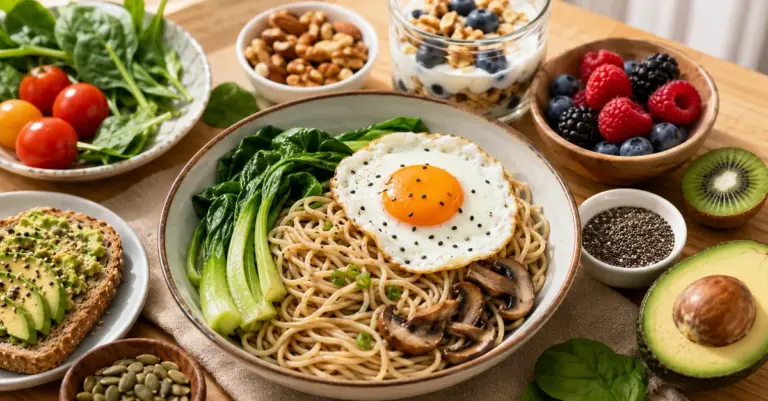


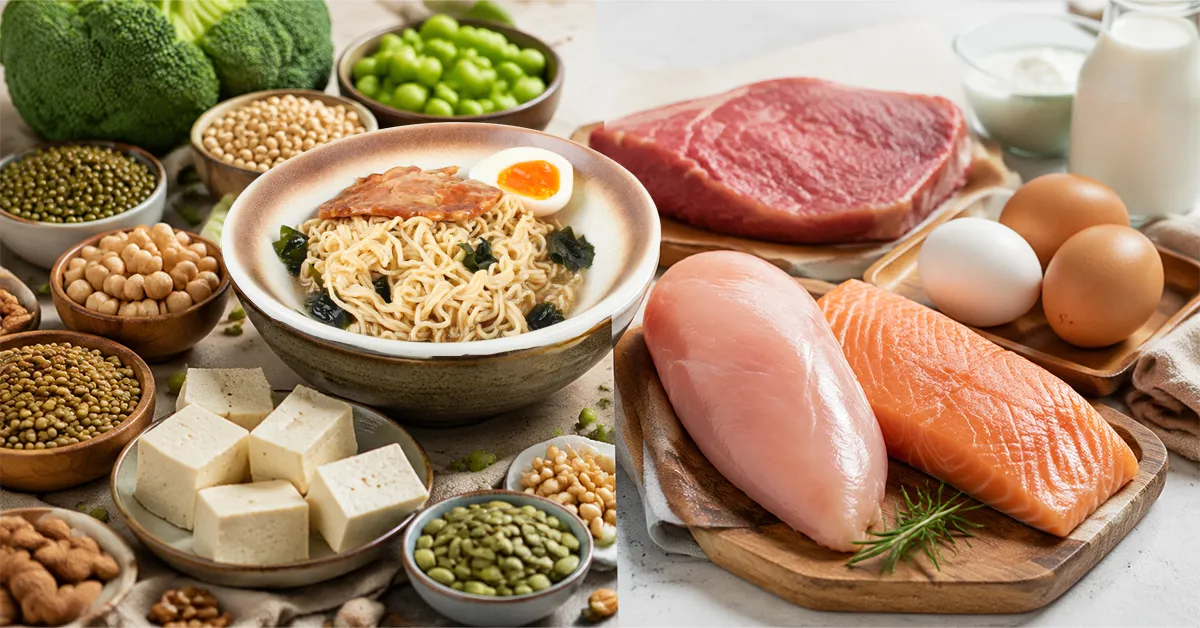
When most people think about getting enough protein, the first foods that come to mind are usually chicken breast, steak, eggs, fish, or Greek yogurt.
These foods have earned their reputation for a reason. Animal-based foods are rich in protein and contain all 9 essential amino acids that our bodies need. However, focusing only on meat, eggs, and dairy may cause us to overlook another valuable source of nutrition: plant-based protein.
From beans and lentils to soy products, nuts, whole grains, and innovative plant-based foods, plants can provide meaningful amounts of protein while also bringing additional benefits such as fiber, vitamins, minerals, and beneficial plant compounds.
Today, as more people seek balanced diets, sustainable food choices, and convenient ways to support an active lifestyle, plant protein is becoming increasingly important.
One surprising example is high-protein noodles — a new generation of healthier staple foods that combine the comforting texture of traditional pasta and noodles with the nutritional benefits of plant-based protein.
So, what exactly is the role of protein in the body? And why should plant protein be on your plate?
Why Protein Is Essential for Your Health
Protein is often described as the “building block of life,” and that description is not an exaggeration.
Think of your body as a complex machine. If carbohydrates are the fuel and fats are the energy storage system, then proteins are the material used to build, repair, and maintain the machine itself.
Your muscles, skin, hair, nails, enzymes, hormones, and immune cells all depend on protein.
Here are some of the key roles that proteins play in the human body:
1. Protein Provides Energy
Protein is one of the three major nutrients for the human body, the other two being carbohydrates and fats.
Although protein’s primary role is not energy production, it can be broken down into amino acids and used as an energy source when needed.
Each gram of protein provides approximately 4 calories, helping support daily energy needs and normal metabolism.
2. Protein Builds and Repairs Body Tissues
Every day, your body is constantly breaking down and rebuilding tissues.
Protein provides the following essential amino acids:
- Muscle growth and recovery
- Skin regeneration
- Hair and nail formation
- Tissue repair after exercise or injury
This is why protein intake is especially important for athletes, active individuals, and those who want to maintain muscle mass as they age.
3. Protein Supports Enzymes and Metabolism
Many enzymes in your body are made from proteins.
These enzymes help control thousands of biological reactions, including:
- Digest food
- Produce energy
- Support cellular activity
- Maintain normal metabolism
Without enough protein, many essential functions in the body cannot operate efficiently.
4. Protein Helps Regulate Hormones and Cell Communication
Some important hormones are protein-based, including insulin and growth-related hormones.
These proteins help regulate:
- Blood sugar balance
- Growth and development
- Energy metabolism
- Communication between cells
Protein is not just about building muscles — it is involved in almost every system inside your body.
5. Protein Helps Transport and Store Nutrients
Certain proteins act like delivery systems inside your body.
For example:
- Hemoglobin transports oxygen through your blood
- Transport proteins carry nutrients and other compounds
- Storage proteins help preserve essential minerals
Proteins help transport many essential substances to where they are needed.
6. Protein Supports Muscle Health
Muscles are mainly composed of protein structures, including actin and myosin, which enable muscles to contract and produce movement.
Adequate protein intake helps:
- Maintain muscle strength
- Support recovery after exercise
- Reduce age-related muscle loss
For anyone who exercises regularly, protein quality and quantity both matter.
7. Protein Supports a Healthy Immune System
Your immune system is highly dependent on proteins.
Antibodies are proteins that help the body identify and fight bacteria and viruses.
A diet with adequate protein supports:
- Immune cell production
- Normal immune responses
- Recovery from physical stress
How Much Protein Do You Need Every Day?
Protein requirements vary depending on age, weight, activity level, and health goals.
For generally healthy adults, many nutrition organizations recommend protein intake around:
The basic minimum intake is 0.8 grams per kilogram of body weight per day.
For example:
- A 60 kg (132 lb) adult may need around 48–60 grams of protein daily.
- People who exercise frequently, build muscle, or are older may benefit from higher protein intake.
Many experts also recommend spreading protein intake throughout the day, rather than consuming the majority of protein in one meal.
A protein-rich breakfast, balanced lunch, and nutritious dinner can help your body continuously access the amino acids it needs.
The Overlooked Power of Plant-Based Protein
When people talk about protein, animal foods usually dominate the conversation.
Chicken, beef, eggs, fish, and dairy products are excellent sources of protein because their amino acid composition is very similar to human protein requirements.
However, plant-based proteins deserve much more attention.
Common plant protein sources include:
- Soybeans and tofu
- Peas
- Lentils
- Chickpeas
- Beans
- Nuts and seeds
- Whole grains
- Plant-based protein products
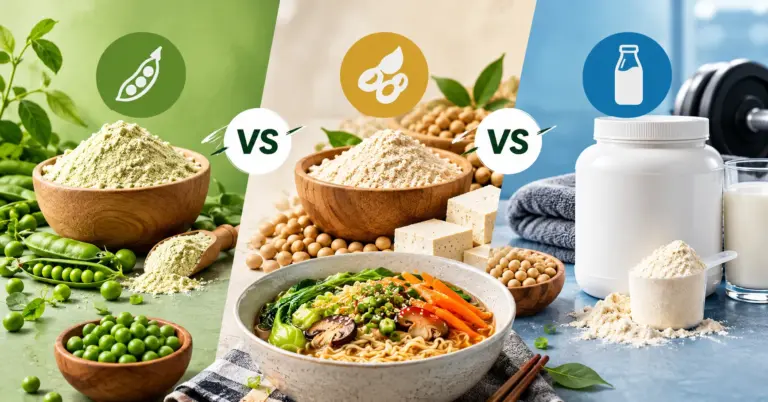
Among these foods, soy and pea protein are especially interesting because they provide relatively high protein content and can be used to create convenient, nutritious foods.
For example, soybeans contain approximately 35–40% protein, making them one of the richest sources of plant protein.
Pea protein has also become increasingly popular because it is:
- Naturally plant-based
- Dairy-free
- Suitable for many dietary preferences
- Rich in essential amino acids
This is why pea protein has become a popular ingredient in modern foods such as protein shakes, protein bars, and high-protein noodles.
Plant Protein vs. Animal Protein: Which One Is Better?
Imagine animal and plant proteins as two teammates with different strengths.
Animal Protein: Complete and Highly Absorbable
Animal proteins generally provide all essential amino acids in ideal proportions.
Examples include:
- Eggs
- Fish
- Chicken
- Beef
- Dairy products
They are often considered “complete proteins” because they contain sufficient amounts of all essential amino acids.
However, some animal protein sources may come with higher levels of:
- Saturated fat
- Cholesterol
- Calories
Especially when diets contain large amounts of processed meats or fatty cuts of meat, excessive intake may negatively affect long-term health.
Plant Protein: Nutrient-Rich and Heart-Friendly
Plant proteins often come with additional nutritional benefits.
Compared with many animal-based foods, plant protein sources typically provide:
- More dietary fiber
- Lower saturated fat
- No dietary cholesterol
- Beneficial plant compounds
For example, legumes and soy foods contain nutrients such as:
- Fiber
- Magnesium
- Potassium
- Polyphenols
- Plant sterols
These nutrients are associated with better metabolic and cardiovascular health.
The only challenge is that some plant proteins may contain lower levels of certain essential amino acids.
For example:
- Rice is relatively lower in lysine
- Some legumes are relatively lower in methionine
But this is easy to solve through food variety.
Classic combinations like:
Rice + beans
Whole grains + legumes
Noodles made with different plant proteins
can create a more balanced amino acid profile.
Why More People Are Adding Plant Protein to Their Diets
Modern diets have changed significantly.
In many Western countries, people often consume plenty of animal protein but not enough fiber-rich plant foods.
Increasing plant protein intake does not mean giving up meat completely.
Instead, it means creating a more balanced diet.
Research continues to show that replacing some animal protein with plant protein may support better long-term health outcomes.
A 2024 study from Harvard researchers found that higher plant protein intake during midlife was associated with healthier aging outcomes.
People with higher plant protein intake are more likely to maintain better health in their later years compared to those with lower plant protein intake.
Other large studies have also shown that higher plant protein intake with:
- Lower cardiovascular risk
- Better metabolic health
- Reduced risk of certain chronic diseases
The goal is not a “plants vs. animals” conflict.
The healthiest approach is often a combination of both.
High-Protein Noodles: A Convenient Way to Add More Plant Protein
For many people, increasing protein intake sounds simple — until everyday life gets busy.
Cooking chicken, preparing fish, or making protein-rich meals every day requires time and planning.
This is where convenient protein foods can make a difference.
Traditional noodles and pasta are popular worldwide, but they are usually higher in carbohydrates and relatively low in protein.
A new generation of high-protein noodles is changing that.
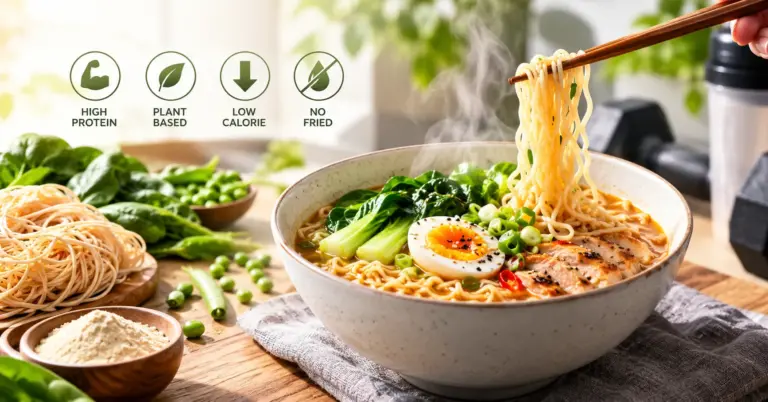
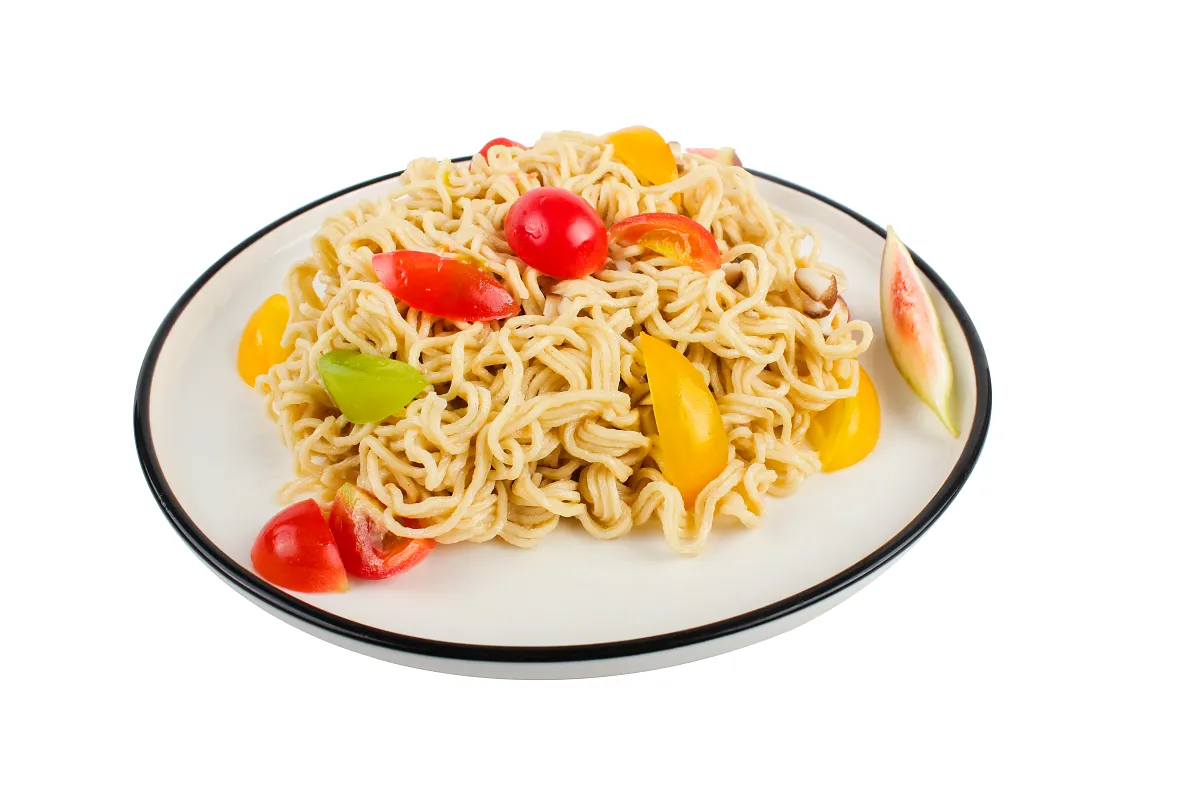
Made with plant-based protein ingredients, high-protein noodles offer a convenient way to enjoy a familiar comfort food while increasing daily protein intake.
For example, Hethstia High-Protein Noodles are designed for people who want:
- More protein in their everyday meals
- Plant-based nutrition options
- Convenient preparation
- A healthier alternative to traditional instant noodles
Each serving provides approximately 32g of plant-based protein, helping active consumers, busy professionals, and health-conscious families add more protein without completely changing their eating habits.
Unlike traditional fried instant noodles, high-protein noodles can also be produced using methods such as air-drying, helping create a lighter and more balanced meal option.
They can be paired with:
- Vegetables
- Tofu
- Eggs
- Lean meats
- Healthy sauces
to create a complete and satisfying meal.
The Future of Protein Is About Balance
Protein nutrition is not a choice between steak and vegetables.
It is not about completely replacing animal foods or relying only on plant foods.
The future of healthy eating is about flexibility, variety, and balance.
A balanced protein strategy may include:
✅ Lean animal proteins
✅ Beans and legumes
✅ Soy and pea protein
✅ Whole grains
✅ Innovative foods like high-protein noodles
By including more plant-based protein sources in your diet, you can enjoy greater food variety while supporting your long-term health goals.
The next time you think about getting enough protein, don’t just look at the meat, eggs, or dairy aisle.
Take a closer look at the “hidden” protein heroes on your plate — because some of the best protein sources may already be growing in the ground.
References
- Ardisson Korat AV, Shea MK, Jacques PF, et al. Dietary protein intake in midlife in relation to healthy aging: results from the prospective Nurses’ Health Study cohort. American Journal of Clinical Nutrition.
- Neuenschwander M, Stadelmaier J, Eble J, et al. Substitution of animal-based with plant-based foods on cardiometabolic health and all-cause mortality: a systematic review and meta-analysis of prospective studies. BMC Medicine.
- Song M, Fung TT, Hu FB, et al. Association of Animal and Plant Protein Intake With All-Cause and Cause-Specific Mortality. JAMA Internal Medicine.
Frequently Asked Questions (FAQs)
1. How to increase protein intake without eating more meat?
You can increase your protein intake without eating more meat by adding more plant-based protein sources to your daily meals. Foods such as tofu, tempeh, lentils, chickpeas, beans, peas, quinoa, nuts, seeds, and plant-based protein products can provide valuable amounts of protein.
Another convenient option is choosing foods made with concentrated plant protein, such as pea protein snacks or high-protein noodles. For example, plant-based high-protein noodles can provide significantly more protein than traditional noodles while keeping meals convenient and satisfying.
You do not need to completely eliminate animal foods to increase plant protein intake. Simply replacing some meat-based meals with protein-rich plant foods can help create a more balanced diet.
2. Can plant protein help with weight loss?
Yes, plant protein can support healthy weight management when combined with a balanced diet and an active lifestyle.
Protein helps increase feelings of fullness, supports muscle maintenance, and reduces the likelihood of overeating. Many plant-based protein foods also contain dietary fiber, which can help support digestion and promote longer-lasting satiety.
Compared with some animal protein sources that may contain higher amounts of saturated fat, many plant protein sources are naturally lower in saturated fat and cholesterol-free.
Foods such as lentils, beans, tofu, peas, and high-protein noodles made with plant ingredients can be convenient options for people looking to increase protein intake while managing calories.
3. What plant foods are high in protein?
Many plant foods provide excellent sources of protein, including legumes, soy products, grains, nuts, and seeds.
Some high-protein plant foods include:
- Soybeans and tofu
- Tempeh
- Lentils
- Chickpeas
- Black beans and other legumes
- Peas and pea protein products
- Quinoa
- Pumpkin seeds, almonds, and other nuts
Soybeans are among the richest natural plant protein sources, containing approximately 35–40% protein. Pea protein has also become increasingly popular because it provides high-quality plant-based protein and is widely used in modern foods such as protein powders and high-protein noodles.
4. How much protein can you get from plants?
The amount of protein you can get from plants depends on the type and quantity of food you eat.
Examples of plant-based protein sources include:
- Soybeans: approximately 35–40% protein
- Lentils: about 9g protein per 100g cooked
- Chickpeas: about 8–9g protein per 100g cooked
- Tofu: around 8–15g protein per 100g
- Nuts and seeds: approximately 15–30g protein per 100g
By combining different plant protein sources throughout the day, most people can meet their daily protein needs. For those with higher protein requirements, foods made with concentrated plant protein, such as high-protein noodles, can provide an easy way to add more protein to everyday meals.
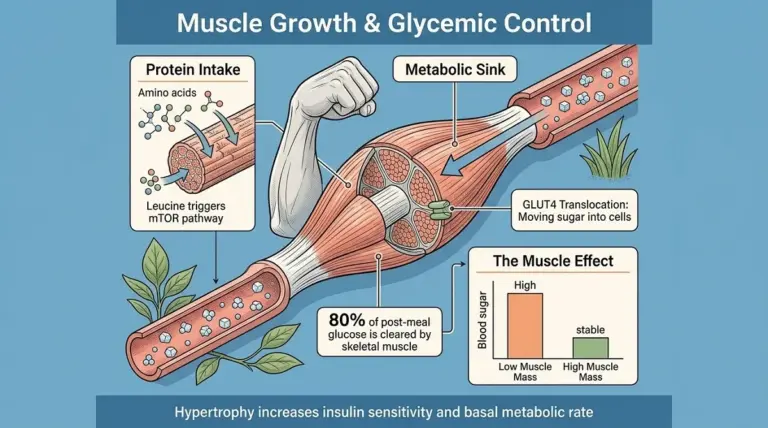
5. Can you build muscle with plant-based protein?
Yes, you can build muscle with plant-based protein as long as you consume enough total protein and follow an appropriate strength training program.
Muscle growth depends on getting sufficient essential amino acids, especially leucine, which plays an important role in stimulating muscle protein synthesis.
Plant proteins such as pea protein and soy protein provide many of the essential amino acids needed for muscle recovery and growth. Combining different plant protein sources can further improve amino acid balance.
For athletes, fitness enthusiasts, and active individuals, convenient protein-rich foods such as high-protein noodles can help increase daily protein intake while providing a practical meal option.
6. Is plant protein as good as animal protein?
Plant protein can be an excellent source of nutrition and can support health, fitness, and muscle maintenance just like animal protein.
Animal proteins such as eggs, meat, fish, and dairy are considered complete proteins because they contain all essential amino acids in ideal proportions. However, plant proteins also provide important nutrients, including dietary fiber, minerals, and beneficial plant compounds.
Some plant proteins, such as soy protein and pea protein, have high-quality amino acid profiles and are widely used in modern nutrition products.
The healthiest approach is often not choosing between plant protein and animal protein, but creating a balanced diet that includes a variety of protein sources.