

In Short:
1. What is protein?
It is one of the three major energy-providing nutrients, but it has an even more important role than just providing energy.
2. What is the relationship between proteins and amino acids?
Amino acids are the basic building blocks of proteins and also the products of protein breakdown.
3. What is high-quality protein?
4. How much protein do we need?
5. When trying to lose weight, do I need to control my protein intake as well as my calorie intake?
6. How much protein should people who want to build muscle supplement?
7. How much protein should older adults eat to prevent muscle loss?
In addition to a large glass (300g) of milk and an egg every day, you also need to eat two or three ounces of meat, a handful of nuts, and rice or noodles at every meal. This will basically ensure your daily protein needs.
8. Does a high-protein diet pose any health risks?
9. When is the best time to supplement protein before, during, and after exercise?
10. Which is better for your daily protein requirement: eating it all in one meal or dividing it into three meals?
Recently, a friend of mine reached out for some advice regarding their daily protein intake. They came armed with some surprisingly technical questions, calculating their intake based on grams per kilogram of body weight. Clearly, they were health-conscious and had done some reading.
However, as I listened to their current diet plan, I secretly broke into a sweat. My friend, who already has a rather slender build, was planning to follow a daily standard of just 0.5 grams of protein per kilogram of body weight. If they stuck to that long-term, they would be setting themselves up for a weakened immune system, severe muscle loss, and an unbalanced body composition. Being underweight or having a high body fat percentage (the dreaded “skinny fat”) can open the door to a host of chronic diseases.
Whether the goal is shedding stubborn fat or building lean muscle, protein is the undisputed heavyweight champion of the nutrition world. Yet, the misconceptions surrounding it are everywhere. To clear the air, I have compiled the ten most fundamental questions about protein.
If you want to optimize your health, your physique, and your meals, this is everything you need to know.
1. What Exactly is Protein? (Spoiler: It’s Not Just Energy)
Protein is one of the three macronutrients that provide calories, along with carbohydrates and fats. Each gram of protein provides about 4 calories.
However, thinking of protein only as a source of energy misses its most important job.
If your body were a house, protein would be the bricks, beams, wiring, and repair materials. It is the primary structural and functional building material of the body.
Protein helps:
- Build and repair muscles
- Form skin, hair, and nails
- Produce enzymes that drive metabolism
- Create hormones such as insulin
- Support immune function through antibodies
- Transport oxygen and nutrients throughout the body
Unlike body fat, the human body does not have a large storage reserve of protein that can be used indefinitely. Your body is constantly breaking down and rebuilding proteins, which is why regular protein intake is important.
2. What is the Relationship Between Protein and Amino Acids?
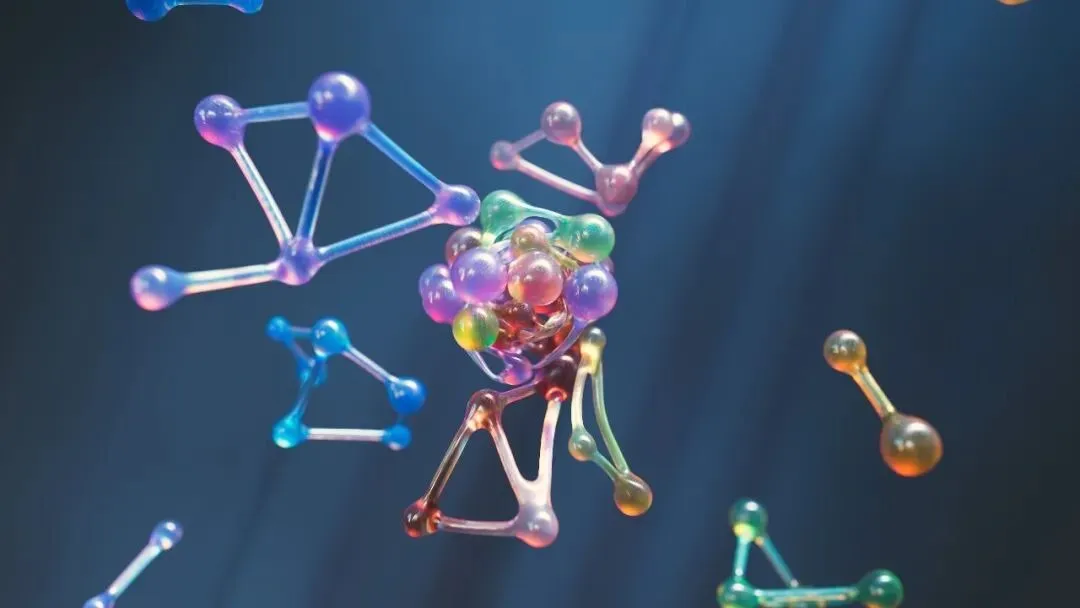
Proteins are made of amino acids, which are often called the building blocks of protein.
When you eat protein-rich foods such as chicken, tofu, beans, fish, or high-protein noodles, your digestive system breaks those proteins down into amino acids. Your body then uses those amino acids to build its own proteins.
There are 20 amino acids that make up human proteins. Of these, 9 are essential amino acids, meaning your body cannot produce them in sufficient amounts and they must come from food.
This is why the quality of a protein source matters—not just the total amount of protein.
3. What is "High-Quality" Protein?
In nature, there are over 300 different amino acids, but the human body only uses 20 of them to build its proteins. Among these 20, our bodies can manufacture 11 on their own. The remaining 9 cannot be synthesized by the body and must be obtained directly from our diet. These are known as essential amino acids.
The concept of “high-quality” protein comes down to how closely a food’s amino acid profile matches the exact needs of the human body. The closer the match, the easier it is for our bodies to absorb and utilize that protein.
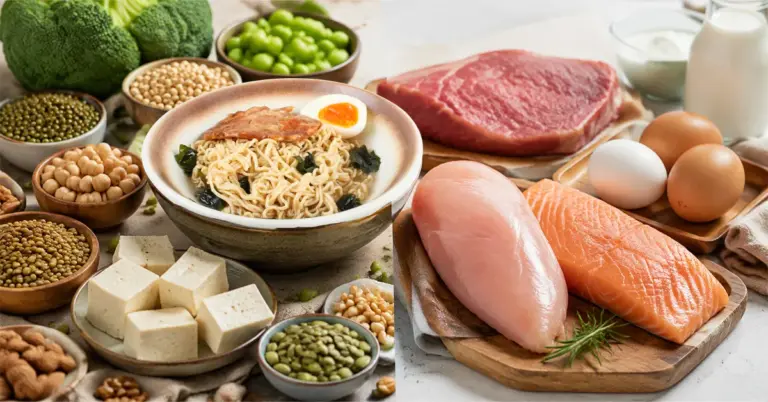
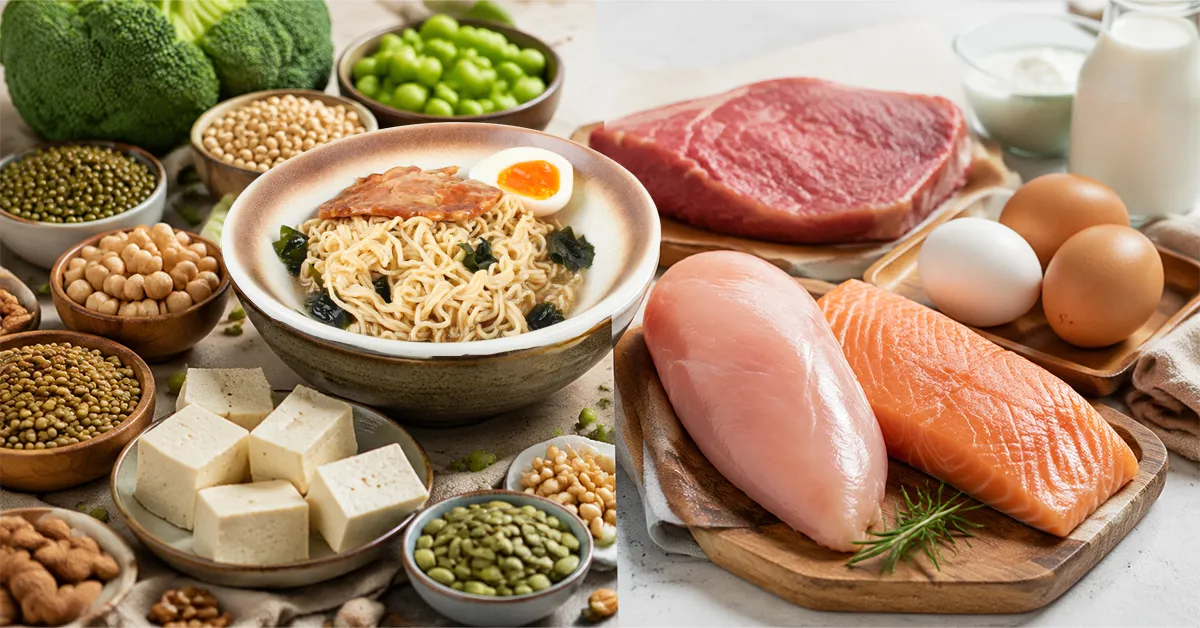
Complete (High-Quality) Proteins: These contain all nine essential amino acids in the right proportions. Animal sources like eggs, milk, meat, and seafood are classic examples. The humble egg is actually considered the “gold standard” or reference protein in scientific experiments because its amino acid profile is nearly a perfect match for human needs. Soy is also a powerhouse plant-based complete protein.
Incomplete Proteins: Many plant-based proteins contain all the essential amino acids, but they are incredibly low in one or two of them. In nutrition, this is called the “limiting amino acid.” Think of a wooden barrel made of staves of different lengths; the barrel can only hold as much water as the shortest stave. Grains and legumes often fall into this category.
Poor-Quality Proteins: Some proteins are missing essential amino acids entirely. For example, collagen found in animal connective tissue (like chicken feet or pork rinds) is highly incomplete. Despite the beauty industry’s marketing, eating massive amounts of gelatinous animal parts is not a reliable way to meet your daily protein needs. Enjoy them as a treat, but don’t count them as your primary protein source!
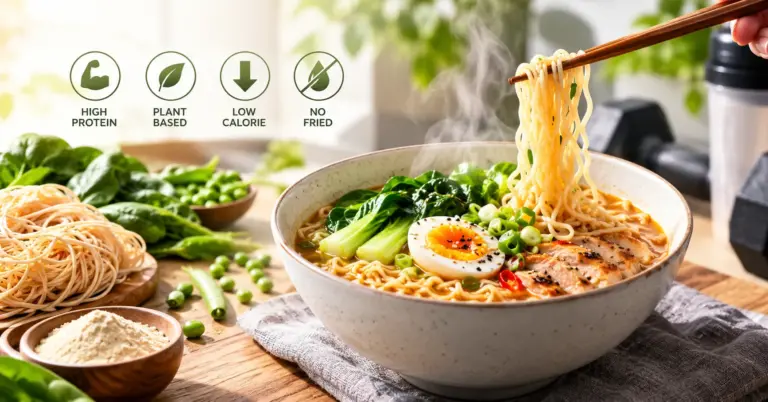
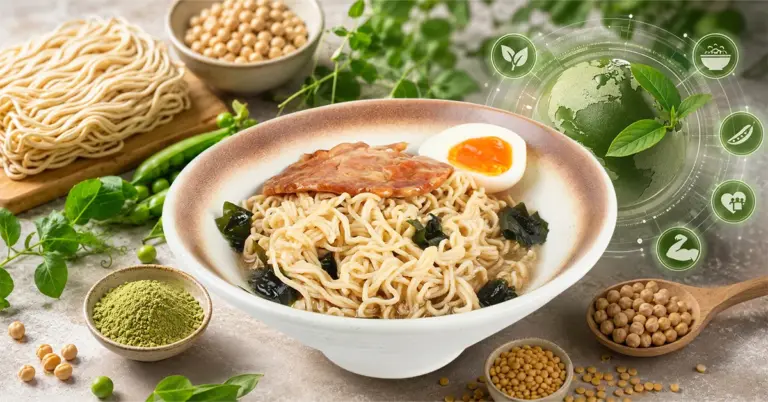
Because many people want to reduce their intake of heavy animal meats (and the cholesterol that comes with them) without sacrificing protein quality, food innovation has stepped up. This is exactly why our plant-based high-protein ramen was developed.
By carefully formulating our noodles, we’ve created a convenient, everyday staple that delivers a massive hit of high-quality plant protein. It allows you to enjoy the comforting, bouncy texture of traditional ramen while perfectly complementing your body’s amino acid needs—without the saturated fat of a steak.
4. How Much Protein Do We Actually Need?
The answer depends on your age, body weight, activity level, and health goals.
For generally healthy adults, a useful rule of thumb is 0.8–1.0 grams of protein per kilogram of body weight per day.
Examples:
- 60 kg (132 lb): about 48–60 g/day
- 70 kg (154 lb): about 56–70 g/day
- 80 kg (176 lb): about 64–80 g/day
Many nutrition guidelines recommend around 55 g/day for adult women and 65 g/day for adult men, although larger, more active individuals may need more.
A practical way to think about it is that most adults should aim for roughly 1 gram of protein per kilogram of body weight, with adjustments based on lifestyle and age.
It is also important that a significant portion of your protein comes from high-quality protein sources, including eggs, dairy, fish, lean meat, soy foods, or other high-quality plant proteins.
5. Do I Need to Cut Protein When Dieting?
Absolutely not. In fact, you should be doing the exact opposite.
When you go on a diet to lose weight, you are creating a caloric deficit. If you simply cut all food groups equally, your body will inevitably burn through muscle tissue alongside body fat for energy.
To achieve a toned, healthy physique (losing fat while preserving muscle), you must increase the proportion of protein in your diet. When calories are restricted, aiming for 1.2 to 1.5 grams per kilogram of body weight (or having protein make up 15% to 20% of your total calories) is crucial. Higher protein intake also keeps you feeling fuller for longer, effectively reducing diet-killing cravings.
Swapping out empty carbohydrates for functional foods is a great strategy here. Replacing standard pasta with a serving of our high-protein ramen can dramatically shift your macros in the right direction—keeping your calorie count manageable while flooding your system with the protein it needs to preserve lean muscle.
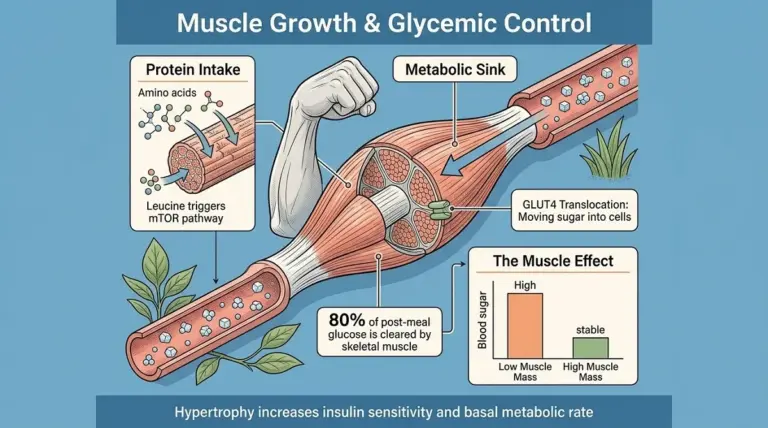
6. How Much Protein is Needed to Build Muscle?
For recreational exercisers and most gym-goers, 1.0–1.5 g/kg/day is usually sufficient.
Contrary to popular belief, most non-professional athletes do not need enormous amounts of protein.
Muscle growth requires:
- Resistance training
- Adequate total calories
- Sufficient protein
- Recovery and sleep
Protein provides the amino acids needed for muscle protein synthesis, but carbohydrates also play an important role by providing energy and helping spare protein from being used as fuel.
A simple post-workout meal might include:
- Greek yogurt and fruit
- Eggs with whole-grain toast
- A protein smoothie
- Or a bowl of high-protein noodles with vegetables and tofu or lean chicken
The goal is consistency, not perfection.
7. Aging Gracefully: Protein Needs for the Elderly
It is a common myth that as we age, we should eat less and stick to “lighter, plainer” foods. In reality, older adults have protein requirements similar to growing teenagers—often higher than the average middle-aged adult.
As we age, our bodies become less efficient at processing protein, and we naturally begin to lose muscle mass (a condition known as sarcopenia). To combat this, the elderly should aim for 1.0 to 1.5 grams of protein per kilogram of body weight daily.
Many seniors mistakenly believe that eating “healthy” means eating mostly vegetables and porridge, leading to severe protein deficiencies.
This accelerates muscle loss, increases the risk of dangerous falls, and plummets their immunity.
Older adults need high-quality protein, but heavy meats can sometimes be tough to chew or digest. Finding easily digestible, soft, and palatable protein sources—like dairy, eggs, soft fish, or a warm, easily digestible bowl of our plant-based high-protein noodles—is incredibly important for keeping them strong, resilient, and independent.
7. Aging Gracefully: Protein Needs for the Elderly
It is a common myth that as we age, we should eat less and stick to “lighter, plainer” foods. In reality, older adults have protein requirements similar to growing teenagers—often higher than the average middle-aged adult.
As we age, our bodies become less efficient at processing protein, and we naturally begin to lose muscle mass (a condition known as sarcopenia). To combat this, the elderly should aim for 1.0 to 1.5 grams of protein per kilogram of body weight daily.
Many seniors mistakenly believe that eating “healthy” means eating mostly vegetables and porridge, leading to severe protein deficiencies.
This accelerates muscle loss, increases the risk of dangerous falls, and plummets their immunity.
Older adults need high-quality protein, but heavy meats can sometimes be tough to chew or digest. Finding easily digestible, soft, and palatable protein sources—like dairy, eggs, soft fish, or a warm, easily digestible bowl of our plant-based high-protein noodles—is incredibly important for keeping them strong, resilient, and independent.
8. The Dark Side: Can You Eat Too Much Protein?
More is not always better. A diet where protein accounts for 10% to 35% of total daily calories is considered safe and optimal. Pushing it to extreme limits (like 3 to 4 grams per kilogram of body weight) offers no extra benefits and can actually introduce serious health risks:
Kidney Overload: The human body cannot store excess protein. It must be broken down, and the resulting nitrogen is flushed out through urine. This requires massive amounts of water and puts a heavy, constant workload on the kidneys.
Bone Density Loss: Excessive intake of animal protein introduces high levels of sulfur-containing amino acids, which can accelerate the loss of calcium from the bones, potentially leading to osteoporosis.
Heart Health Risks: Diets excessively high in certain animal proteins can elevate homocysteine levels in the blood, which studies show can triple the risk of cardiovascular diseases in men.
Cancer Risks: Prolonged, extremely high protein intake (especially from processed red meats) has been correlated with an increased risk of colon, breast, and prostate cancers.
Metabolic Burden: High protein intake increases the body’s acidic load, stressing your metabolic systems.
Workout Discomfort: Chugging a massive protein shake right before a run or a heavy lift is a one-way ticket to gastrointestinal distress.
9. When is the best time to eat protein around exercise?
The simplest answer: after exercise.
Consuming protein soon after a workout helps support muscle repair and recovery.
A combination of protein and carbohydrates is particularly effective because carbohydrates help replenish glycogen stores and support the transport of amino acids into muscle tissue.
Examples:
- Chocolate milk
- Yogurt and fruit
- Eggs and potatoes
- A turkey sandwich
- High-protein noodles with vegetables and tofu
For most recreational exercisers, hitting your total daily protein goal is more important than obsessing over minute-by-minute timing.

10. One Massive Meal or Spaced Out?
If you need 90 grams of protein a day, should you eat it all in a massive 16-ounce steak at dinner, or split it up?
Science overwhelmingly supports distributing your protein evenly across three meals.
Your body can only process and utilize a certain amount of protein for muscle synthesis in a single sitting (usually around 25 to 35 grams). If you eat 90 grams in one meal, the excess is simply oxidized for basic energy or excreted, completely wasting its muscle-building potential.
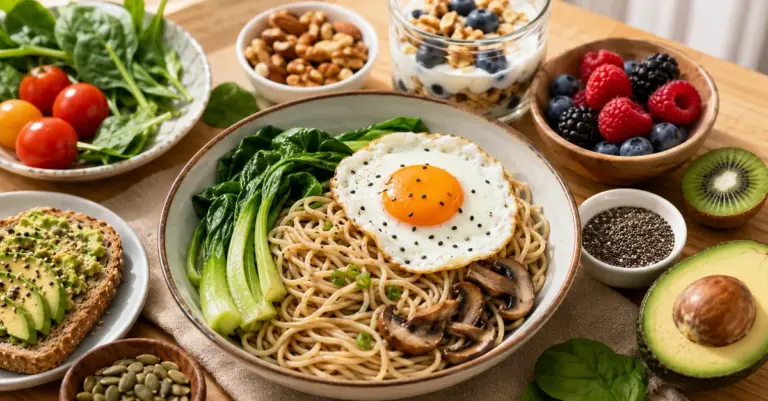
For optimal absorption, immune support, and muscle maintenance, balance is key. Have eggs or Greek yogurt for breakfast, a satisfying bowl of high-protein ramen for lunch, and some fish or chicken for dinner.
The Bottom Line
Protein is far more than a bodybuilding nutrient. It is essential for muscle, immunity, hormones, metabolism, healthy aging, and overall body function.
For most adults, 0.8–1.0 g/kg/day is a reasonable baseline, while people who are losing weight, building muscle, or preventing age-related muscle loss often benefit from 1.0–1.5 g/kg/day.
The best protein strategy is not necessarily eating more meat. It is eating enough protein, choosing high-quality sources, and distributing protein across the day.
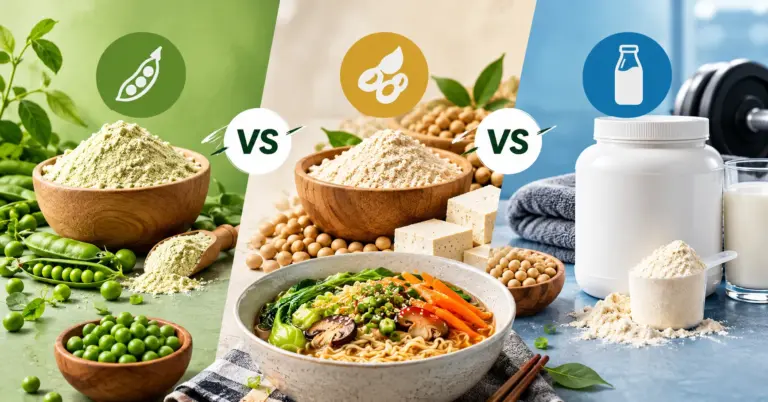
Animal proteins remain excellent choices, but plant proteins—including soy, legumes, whole grains, and convenient foods such as Hethstia High-Protein Noodles—can make it easier to meet protein needs while adding fiber and plant-based nutrients to your diet.
In the end, the goal is simple: eat enough protein, eat a variety of protein sources, and build meals that you can realistically enjoy and maintain for years—not just weeks.