In wellness culture, rapid-fire solutions dominate the conversation. From powdered laxative teas to 7-day liquid cleanses, the promise of a total gastrointestinal reset is everywhere. Yet, gastroenterologists and clinical nutritionists agree on one fundamental truth: an aggressive colon detox and cleanse routine often disrupts the delicate gut microbiome, strips essential electrolytes, and leaves the digestive tract sluggish.
Real colon vitality is not about purging; it is about consistent, physiological nourishment. Your digestive system has its own internal detox pathway—powered by regular motility, balanced mucosal linings, and targeted dietary fiber.
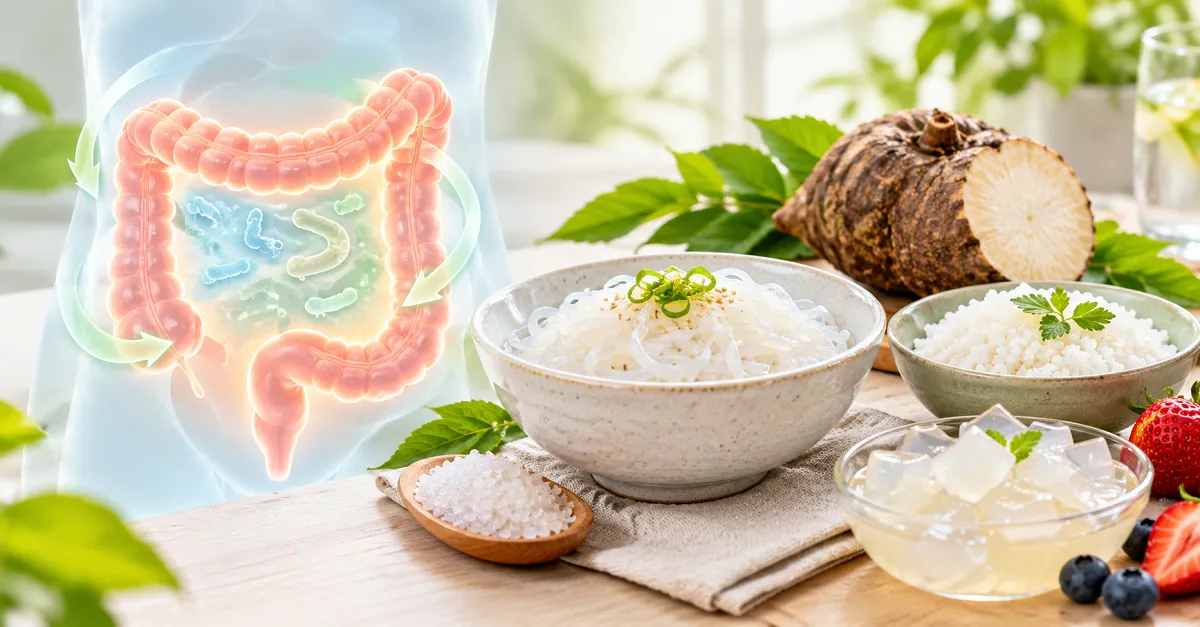
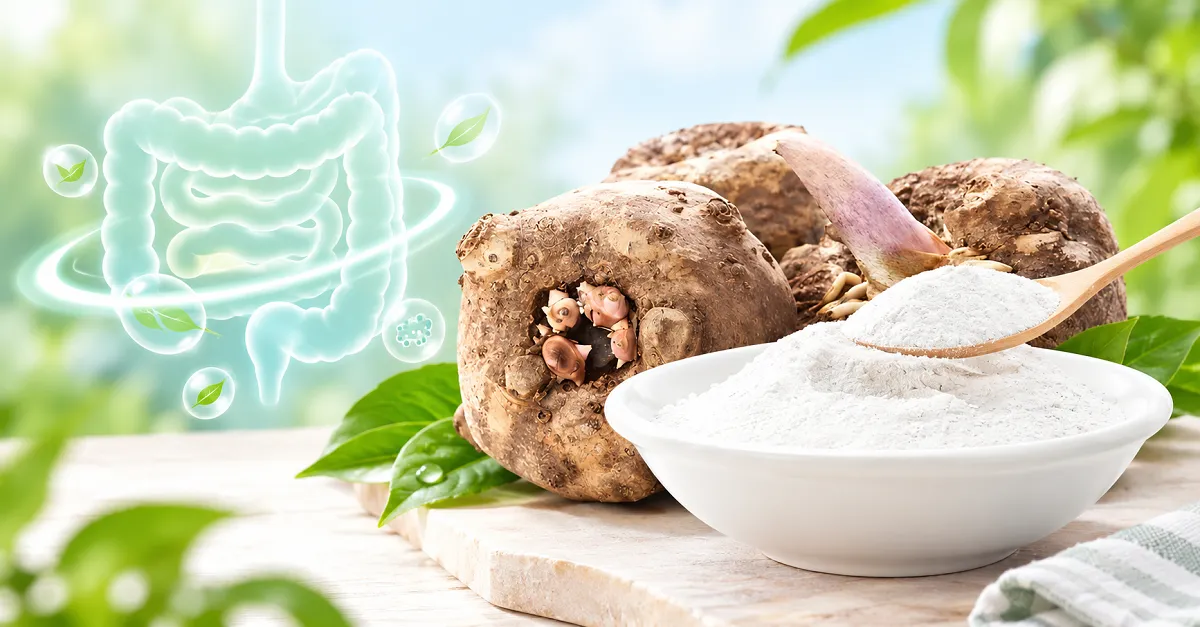
Konjac: a traditional East Asian root vegetable packed with glucomannan, one of nature’s most viscous soluble fibers. From culinary staples like Konjac Rice and Konjac Noodles to guilt-free jellies, konjac offers a gentle, food-first reset that supports natural bowel regularity, feeds beneficial microflora, and anchors long-term metabolic health.
1. How Your Digestive System Truly "Cleanses" Itself
The concept of “cleaning out” the gut often leads people toward harsh laxatives. However, the body is already equipped with an elegant waste-management system:
- Peristalsis: Coordinated muscular contractions push digestive waste through the intestines in a continuous cycle.
- The Mucosal Barrier: Epithelial tissue shields intestinal walls, preventing endotoxins from leaking into the systemic circulation while facilitating smooth transit.
- The Microbiome: Trillions of commensal bacteria break down complex polysaccharides, releasing protective compounds that maintain the intestinal lining.
When searching for the best way to clean digestive system pathways naturally, the secret lies in distinguishing between fiber types:
Fiber Type | Primary Mechanism | Digestive Function |
Insoluble Fiber (e.g., wheat bran, raw greens) | Adds rough structural bulk | Accelerates stool transit time through mechanical stimulation. |
Soluble Viscous Fiber (e.g., konjac glucomannan, oats) | Absorbs water, forms a protective gel | Binds excess bile and dietary cholesterol, stabilizes transit, and feeds gut microbes. |
A balanced digestive system cleansing diet does not require fasting. It relies on adequate fluid intake combined with soluble prebiotic fiber to facilitate the smooth passage of matter through the digestive tract; in the process, these fibers adsorb metabolic waste without causing inflammation of the intestinal lining.
Authoritative Comparison of Dietary Fiber Fractions
Fiber Type & Common Sources | Water-Holding Capacity | Fermentation Rate & Location | Impact on Stool Consistency | Tolerability in Sensitive Guts (e.g., IBS) | Primary Mechanism in Colon Care |
Konjac Glucomannan(Konjac Rice, Noodles) | Extreme(Up to 50x dry weight) | Moderate / Prolonged(Entire Colonic Length) | Optimally cohesive, lubricated, non-abrasive | High(Low-FODMAP compliant) | Forms soothing hydrogel; sweeps metabolic byproducts; generates butyrate. |
Psyllium Husk(Plantago ovata) | High(10x–15x dry weight) | Low to Moderate(Proximal to Distal) | Bulky, soft, stool-normalizing | Moderate to High(Requires copious fluids) | Mechanical bulking; softens hard stools; regulates transit rate. |
Inulin / Chicory Root(Isolated Prebiotics) | Low(Dissolves without gel) | Very Fast(Proximal Colon) | Minimal mechanical bulking | Low(High gas, distension, & bloat risk) | Selective proliferation of Bifidobacteria; sharp gas spikes. |
Coarse Wheat Bran(Insoluble Cellulose) | Low(Attracts minimal water) | Negligible(Passes through intact) | Firm, rough bulk | Low to Moderate(Can aggravate spastic colon) | Stimulates colonic mucosa mechanically to induce reflex contractions. |
Resistant Starch (RS2/3)(Cooled potatoes, green bananas) | Low to Moderate | Slow to Moderate(Distal Colon focus) | Soft, pliable volume | Moderate to High(Titration recommended) | Preferential pathway for high-yield butyrate production; stabilizes lumen pH. |
2. The Superfood Profile: Why Konjac Root (Glucomannan) Stands Out
Derived from the corm of Amorphophallus konjac, konjac root has been cultivated across Asia for centuries as both a staple food and medicinal tonic. Its superpower lies in glucomannan, a water-soluble polysaccharide with unmatched water-holding capacity—absorbing up to 50 times its weight in water.
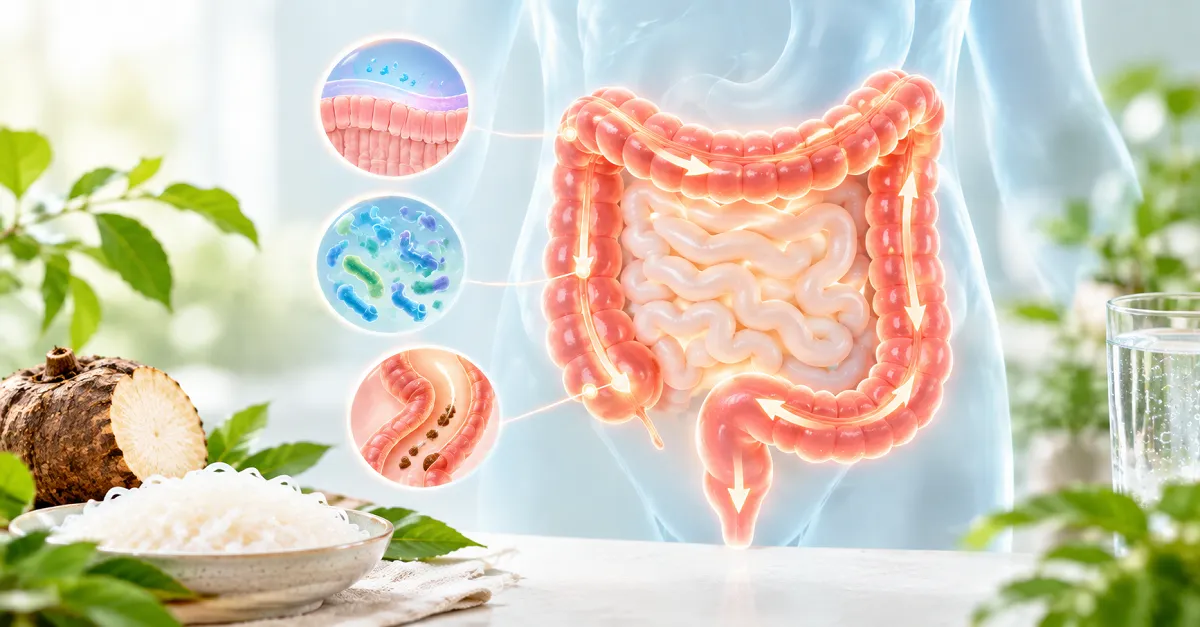
How Glucomannan Supports the Colon:
[Water Absorption] ──> Expands into a smooth, slippery hydrogel
[Colonic Transit] ──> Provides gentle bulk that sweeps waste cleanly without abrasive scraping
[Prebiotic Action] ──> Ferments into SCFAs (Acetate, Propionate, Butyrate)
[Cellular Fuel] ──> Butyrate nourishes colonocytes, strengthening gut barrier integrity
Prebiotic Fermentation and Colonocyte Fuel
Unlike synthetic binders or stimulant laxatives, glucomannan functions as a high-affinity prebiotic. As it travels into the large intestine intact, colonic microflora slowly ferment it into short-chain fatty acids (SCFAs), particularly butyrate.
Butyrate is the primary fuel source for colonocytes (the cells lining the colonic wall). Plentiful butyrate production helps maintain the tight junctions of the intestinal epithelium, dampens local inflammation, and creates an environment where pathogenic bacteria cannot thrive. For anyone seeking the best supplements for colon health, integrating whole-food glucomannan via culinary formats delivers these benefits directly on your plate.
3. Konjac for Weight Management and Gentle Bowel Regularity
The wellness market frequently markets the best colon cleanse for weight loss as an overnight miracle. In reality, stimulant-based cleanses produce temporary water loss, followed quickly by rebound bloating and sluggish peristalsis.
Sustainable metabolic control requires satiety and efficient elimination to work together:
- Gastric Delay & Satiety: Because konjac hydrogels expand in the stomach and slow gastric emptying, substituting traditional starchy staples with Konjac Rice or Konjac Noodles dramatically blunts post-meal insulin spikes and satisfies appetite for hours with near-zero net calories.
- Smooth, Non-Abrasive Evacuation: As konjac moves through the lower intestines, its gelatinous matrix lubricates the fecal mass. This creates comfortable, formed stools that pass without straining or urgency.
By supporting consistent, effortless daily elimination, konjac provides the light, energized feeling people look for in a “cleanse”—without compromising gut integrity.

4. Navigating Sensitive Guts: Is Konjac Safe for Irritable Bowel Syndrome (IBS)?
Finding suitable foods for irritable bowel syndrome (IBS) is notoriously tricky. Many high-fiber foods—such as raw legumes, cruciferous vegetables, or synthetic chicory root inulin—contain high levels of fermentable oligosaccharides (FODMAPs) that trigger rapid gas production, severe distension, and cramping.
Fiber Comparison for IBS-Prone Guts:
* Inulin / Chicory Root: Rapid gas spikes ──> High risk of severe bloating & cramps
* Coarse Wheat Bran: Abrasive scraping ──> Mechanical irritation of sensitive mucosal lining
* Konjac Glucomannan: Slow, uniform gel ──> Gentle bulk, low gas velocity, gut-soothing transit
Konjac glucomannan is naturally low in FODMAPs. Because it forms an elastic, viscous gel rather than rapidly releasing free gases, it offers a gentle, soothing option for IBS-C (constipation-predominant) and alternating bowel habits.
Best Practices for Sensitive Digestion:
· Hydrate Consistently: Because glucomannan binds water, drink at least 8 to 10 ounces of water with meals containing konjac to let the fiber hydrate properly.
· Pace Your Introduction: If your daily diet has been low in fiber, introduce konjac portions gradually (e.g., half a serving of konjac noodles mixed into a familiar soup) to allow your microbiome to adapt comfortably.
5. The Ultimate Grocery List: Best Foods for Colon and Bowel Health
To build a resilient digestive system, pair functional konjac staples with a spectrum of gut-nourishing whole foods. Here is an evidence-backed shopping guide focused on the best foods for colon health and long-term vitality:
Prebiotic & Functional Fiber Staples
- Konjac Noodles (Shirataki): Zero-net-carb, high-viscosity noodle alternative for stir-fries and ramen.
- Konjac Rice: Seamless substitute for white rice in grain bowls, risottos, and pilafs.
- Konjac Fruit Jellies: Refreshing, sugar-free sweet finish that delivers natural soluble fiber.
Fermented Probiotic Allies
- Unsweetened Kefir & Greek Yogurt: Replenish live strains of Lactobacillus and Bifidobacterium.
- Naturally Fermented Kimchi & Sauerkraut: Deliver live microbes alongside organic acids that lower colonic pH.
Gentle, Soothing Produce
- Stewed Apples & Pears: Packed with soluble pectin, which calms irritated intestinal linings.
- Cooked Sweet Potatoes & Carrots: Easy-to-digest sources of fiber paired with mucosal-healing beta-carotene.
- Chia Seeds & Ground Flaxseed: Complementary sources of mucilage and anti-inflammatory Omega-3s.
What to Minimize
Ultra-processed deli meats: High in nitrates and inflammatory compounds linked to cellular stress in the bowel wall.
Refined sugar & trans fats: Alter the microflora balance, encouraging the proliferation of inflammatory microbes.
Authoritative Food Matrix for Colon Health Optimization
| Food Category | Representative Foods | Primary Colon-Protective Compound | Physiological Impact on Bowel Function | Ideal Culinary Preparation |
| Functional Prebiotics | Konjac Rice, Konjac Noodles | Glucomannan (high-viscosity polysaccharide) | Creates soft, cohesive bulk; eliminates abrasive shear; stimulates SCFA production. | Rinsed, parboiled 1 min, then dry-sautéed in soups, curries, or stir-fries. |
| Soluble Pectins | Stewed Apples, Quinces, Pears | Pectin (galacturonic acid polymer) | Stabilizes stool transit; acts as an internal emollient for hyper-reactive gut walls. | Simmered gently with cinnamon and water; peel left intact. |
| Resistant Starches | Parboiled & Chilled Potatoes, Green Plantains | Retrograded Type-3 Resistant Starch | Directly targets the distal colon for deep butyrate synthesis; optimizes colonic luminal pH. | Boiled whole, chilled at 4°C for 24 hours; consumed cold or gently reheated. |
| Active Probiotics | Unsweetened Kefir, Naturally Fermented Kimchi | Viable Lactobacilli, Bifidobacteria, & organic acids | Lowers intraluminal pH; crowds out endotoxin-producing bacterial overgrowths. | Eaten raw and unheated at room temperature to preserve live organisms. |
| Mucilaginous Seeds | Soaked Chia Seeds, Golden Flaxseed Flour | Water-soluble mucilage & α-Linolenic Acid | Adds lubricating hydration to the fecal mass; dampens prostaglandin-mediated inflammation. | Soaked in water or almond milk for a minimum of 20 minutes before ingestion. |
| Epithelial Substrates | Slow-Simmered Bone Broth, Wild Salmon | L-Glutamine, Collagen Peptides, Omega-3s | Substrates for tight-junction protein synthesis; restores damaged epithelial linings. | Simmered low-and-slow (12–24 hrs) with apple cider vinegar to extract amino acids. |
6. Easy Daily Swaps: Cooking for Better Colon Health
Incorporating konjac into your daily menu requires no complex culinary training. Its neutral flavor profile readily absorbs aromatic sauces, broths, and herbs.
1. Gut-Restorative Bone Broth Noodle Bowl
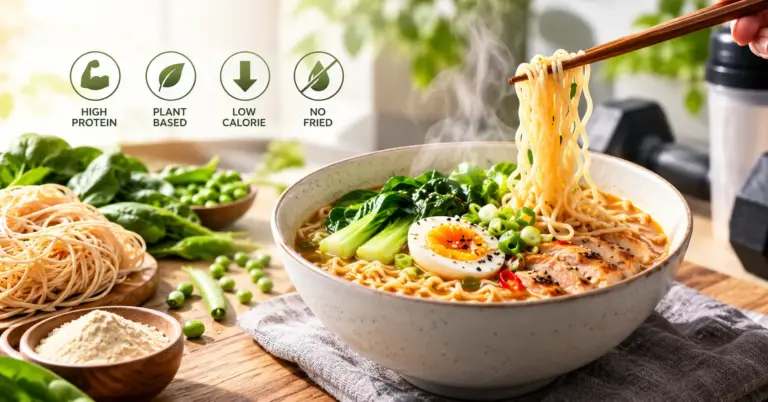
Rinse a package of Konjac Noodles under cold water and parboil for 1 minute. Place them into a simmering bowl of pasture-raised bone broth infused with crushed ginger, turmeric, and shiitake mushrooms. Top with tender baby bok choy. The combination of rich collagen, anti-inflammatory ginger, and slippery konjac fiber soothes the gut lining from end to end.
2. Mediterranean Prebiotic Rice Pilaf
Drain the konjac rice and dry-sauté it in a non-stick pan for 3–5 minutes until the excess moisture has evaporated. Then, stir in extra virgin olive oil, minced garlic, roasted zucchini, chickpeas, and fresh parsley. This approach provides the satisfying texture of a traditional pilaf while delivering a balanced intake of plant-based protein, healthy fats, and dietary fiber (prebiotics) that supports gut health.
3. Light Afternoon Fiber Pick-Me-Up
Swap out high-sugar midday snacks for a pouch of chilled, sugar-free Konjac Fruit Jelly. It satisfies sweet cravings, stabilizes energy levels, and contributes valuable soluble fiber to maintain regular evening transit.

Frequently Asked Questions (FAQs)
1. What is the single best way to clean your digestive system naturally?
The most reliable way to maintain a clean digestive system is to support the body’s natural elimination pathways: hydration, gut motility, and soluble fiber intake. Rather than using harsh detox teas or cleanses that cause electrolyte depletion and diarrhea, focus on eating a diverse, fiber-rich diet that includes Konjac Rice, Konjac Noodles, and oats, drinking 2 to 3 liters of water daily, and staying active to encourage natural peristalsis.
2. Can eating konjac noodles or rice cause bloating, and how can it be avoided?
Because konjac glucomannan is a potent water-soluble fiber, eating large portions too quickly without adequate water can cause temporary sensations of fullness or mild gas. To avoid this, drink a full glass of water with every konjac-based meal, rinse wet-packed konjac thoroughly under running water, and introduce it in modest portions (around 100 grams) so your digestive system can adapt smoothly.
3. How does konjac support healthy, lasting weight loss compared to commercial colon cleanses?
Commercial colon cleanse products rely on harsh laxatives that flush out water and electrolytes, creating a temporary drop on the scale followed by rebound bloating. Konjac, on the other hand, expands into a gentle, calorie-free hydrogel in the stomach, promoting satiety and delaying gastric emptying. As it passes through the colon, it carries out metabolic waste smoothly, helping you maintain a consistent calorie deficit while promoting regular, comfortable elimination.
4. Are konjac products safe and beneficial for individuals with Irritable Bowel Syndrome (IBS)?
Yes, konjac is generally well tolerated by people with IBS. Glucomannan is low-FODMAP and ferments gradually across the length of the colon, which avoids the rapid spikes in gas caused by inulin or raw legumes. Its smooth, gel-like texture provides gentle bulk without irritating the intestinal wall, making it a soothing choice for individuals managing IBS with constipation (IBS-C) or mixed bowel habits.
5. What are the best foods for maintaining overall colon health and preventing sluggish digestion?
The most effective foods for colon health combine viscous soluble fibers, natural probiotics, and anti-inflammatory compounds. Staples include Konjac Noodles and Konjac Rice (glucomannan), stewed apples (pectin), cooled potatoes (resistant starch), unsweetened kefir and raw fermented vegetables (live cultures), and chia seeds. Together, these foods lubricate intestinal passages, balance luminal pH, and nourish colon cells.
6. What is the difference between soluble fiber like konjac and insoluble fiber like wheat bran?
Soluble fiber dissolves in water to form a gel-like substance, whereas insoluble fiber does not dissolve and remains largely intact. Insoluble fiber (such as coarse wheat bran) stimulates the gut wall mechanically to speed up transit. Soluble viscous fiber (such as konjac glucomannan) absorbs fluid to soften and shape stool, slows down sugar absorption, captures excess bile acids, and feeds beneficial colonic bacteria.
7. How does dietary fiber transform into Short-Chain Fatty Acids (SCFAs) like butyrate?
When non-digestible soluble fibers—such as glucomannan in konjac—reach the large intestine intact, anaerobic gut bacteria ferment them into beneficial organic acids, primarily acetate, propionate, and butyrate. Butyrate serves as the main energy source for colonocytes (colon wall cells), helping strengthen tight junctions, lower inflammation, and support tissue health throughout the intestinal lining.
8. How often can I eat konjac rice and konjac noodles in a standard weekly meal plan?
Konjac rice and noodles can be safely enjoyed 3 to 5 times per week as part of a balanced diet. Because konjac is low in calories and micronutrients, it should complement—rather than replace—nutrient-rich whole foods like colorful vegetables, quality proteins, and healthy fats. Pairing konjac with bone broths, lean meats, and green vegetables provides an optimal balance of satiety, nourishment, and digestive support.