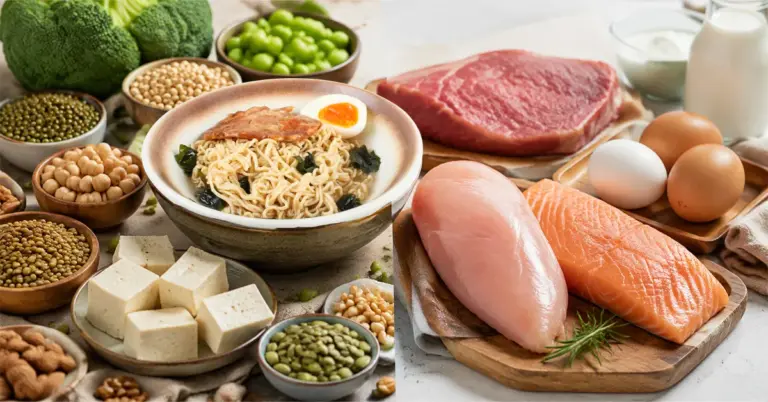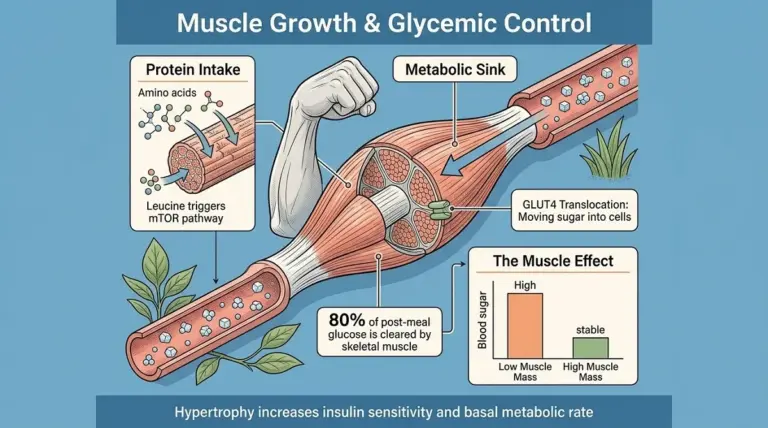


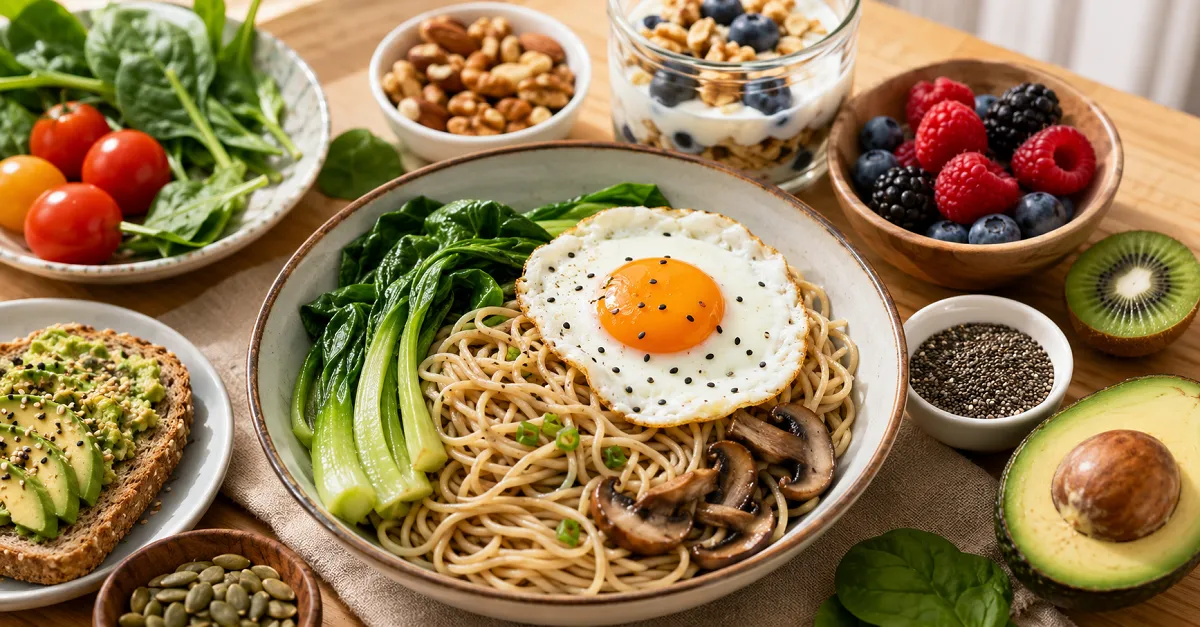
Chances are, your morning routine involves one of a few standard breakfast templates: a bagel with cream cheese, cereal with milk, a quick pastry with a sugary latte, or perhaps toast with jam. As a carbon-based lifeform, your body naturally craves carbohydrates to start the day. But if you are reaching for highly refined, quickly digested carbs, you are setting yourself up for a mid-morning crash.
If everything goes according to the usual script, right around 11:00 AM, you start to feel a bit dizzy. Your focus wanes, intermittent heart palpitations or hand tremors might set in, brain fog clouds your thinking, and you find yourself obsessively wondering what is for lunch—or desperately craving a sugary milk tea.
You might never have considered that the root cause of this 11:00 AM slump is the breakfast you ate several hours earlier. Specifically, your morning meal was likely missing the ultimate stabilizing anchor: dietary fiber, combined with the sustained power of protein.
If you are looking for a breakfast to control blood sugar and weight, the secret is not to starve yourself. It is about fundamentally restructuring the macros on your plate. In this comprehensive guide, we will explore the science of morning metabolism, how to build the perfect plate, and why incorporating innovative options like our High-Protein Noodles can revolutionize your morning routine.
The Hidden Culprit: Why Traditional Breakfasts Fail You
Most people associate dietary fiber merely with digestive regularity. However, its influence extends far beyond the gut. Fiber is intimately connected to blood sugar regulation, appetite control, and mitigating the risk of multiple chronic diseases, including Type 2 diabetes and cardiovascular disease.
The harsh reality is that most adults simply do not eat enough of it. The recommended daily intake for adults is 25 to 30 grams of dietary fiber. In reality, the average person consumes barely 10.4 grams a day—less than half of what is needed. And of all three meals, breakfast is the most notorious for being fiber-deficient. While lunch and dinner might feature a side salad or steamed greens, breakfast is too often dominated by refined carbohydrates.
Adding fiber to your morning routine lays the foundation for “high-quality eating” for the rest of the day. A 2025 nutritional study found that a high-fiber breakfast significantly increases the likelihood of making healthier food choices later on. Conversely, a breakfast high in sugar, unhealthy fats, and refined carbs practically guarantees poorer eating habits throughout the day.
This ties into a classic nutritional concept known as the “Second Meal Effect.” If your first meal of the day is high in fiber and low on the Glycemic Index (GI), your blood sugar response to your second meal will be notably more stable. A high-fiber, protein-rich breakfast for weight loss acts as a physiological signal, prepping your body’s metabolic environment for the rest of the day.
To understand how carbohydrates impact your blood sugar, scientists use the Glycemic Load (GL), which accounts for both the quality and quantity of the carbohydrates. For those interested in the clinical science, the formula is:
GL= GI × Carbohydrates (g) / 100
By keeping the GI low (via fiber) and reducing net carbohydrates (via higher protein), you keep the GL manageable, preventing the dangerous glucose spikes that lead to weight gain and insulin resistance.
4 Ways a High-Fiber, High-Protein Breakfast Transforms Your Body
How exactly does this “healthy foundation” work inside your body? Let us break down the scientifically backed mechanisms behind a breakfast to control blood sugar.
1. Superior Weight Loss and Appetite Control
When trying to shed stubborn pounds, many people immediately look for a high protein breakfast for weight loss. This is a smart move; protein is highly thermogenic and incredibly satiating. However, protein alone is not the whole story.
A fascinating 2026 weight-loss trial compared two different diet groups over 28 days. While the high-protein breakfast group lost an average of 3.87 kg, the high-fiber breakfast group lost an average of 4.87 kg. The weight-control effects of a high-fiber breakfast were surprisingly superior.
Dietary fiber has a low energy density and creates physical volume in your stomach, allowing you to feel fuller on fewer calories. Furthermore, as fiber ferments in the gut, it produces short-chain fatty acids (SCFAs) that actively regulate appetite hormones and metabolism. Simply put: while protein makes you feel “full,” fiber helps stabilize your overall appetite for the entire day. Combining them is the holy grail of a healthy breakfast foods for weight loss.
2. Eliminating the Blood Sugar Rollercoaster
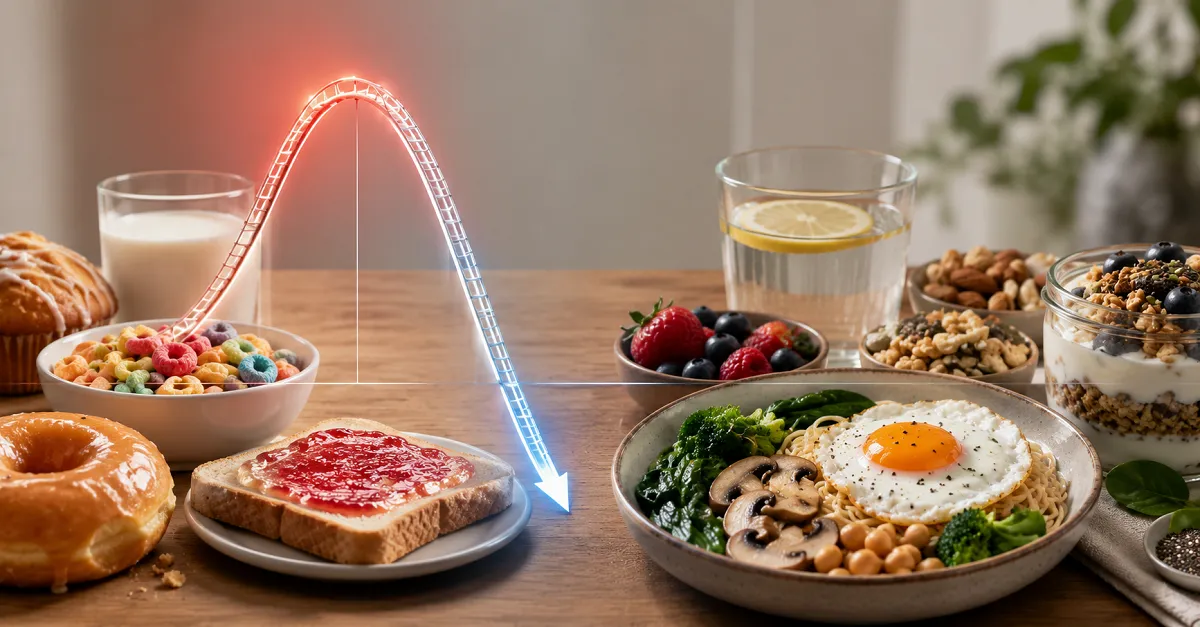
If your breakfast consists solely of white toast, rice porridge, or standard wheat noodles, your post-meal blood sugar will skyrocket rapidly, only to plummet shortly after. Before noon, you will feel hungry, lethargic, and irritable. Over time, these dramatic fluctuations are disastrous for metabolic health.
For those looking for a good breakfast for insulin resistance, fiber acts as a metabolic “speed limit.” Soluble fiber—found in oats, barley, beans, and certain fruits—slows gastric emptying and the absorption of carbohydrates. This prevents aggressive blood sugar spikes and keeps insulin secretion smooth and manageable. Studies show that when patients with Type 2 diabetes incorporate more fiber into their mornings, both their post-meal glucose and insulin responses improve dramatically.
3. The Natural "Appetite Valve"
A comprehensive review in Nutrition Reviews, analyzing 48 clinical trials, explicitly stated that cereal fibers (especially from oats and rye) continuously improve satiety signals. Fiber delays digestion in the intestinal tract, allowing energy to be released in a slow, steady stream rather than a rushing flood.
This means your afternoon urge to binge on snacks or sugary drinks naturally diminishes. You completely bypass the “hypoglycemic fatigue” that follows a sugar crash, making these the ultimate breakfast foods that don t spike blood sugar.
4. Investing in Your Long-Term Health
Adding fiber to your morning meal is like quietly depositing money into a health savings account. When fiber reaches your large intestine, it feeds your microbiome. The resulting metabolites are directly linked to improved gut health, enhanced immune function, and better fasting blood glucose and lipid panels. Short-term, you stabilize your blood sugar and control your appetite; long-term, you build a resilient metabolic system.

The Game Changer: High-Protein Noodles for Breakfast
When people hear “high fiber” or “high protein,” they often envision miserable, bland meals: dry whole-wheat bread that scratches your throat, flavorless oatmeal, or freezing cold raw vegetables. It is no wonder people struggle to hit their 25-30g daily fiber goal.
But a healthy breakfast does not have to be a punishment. In fact, savory breakfasts are one of the most effective strategies for maintaining flat glucose curves. This is where our High-Protein Noodles come into play as an extraordinary solution for a healthy breakfast foods for diabetics and anyone seeking weight management.
In many Asian cultures, noodles are a staple breakfast food. The problem is that traditional noodles are pure, refined carbohydrates that spike blood sugar instantly. Our High-Protein Noodles completely rewrite this narrative.
By utilizing advanced food science to blend premium plant-based proteins with complex, fiber-rich grains, we have created a noodle that delivers the comforting, satisfying chew of traditional pasta without the metabolic damage.
Why High-Protein Noodles are the Perfect Breakfast Choice:
- Macronutrient Balance:They boast a radically higher protein content compared to standard wheat noodles, instantly classifying them as a premier protein rich breakfast for weight loss.
- Sustained Energy:Formulated with complex carbohydrates and high dietary fiber, they digest slowly, ensuring a steady release of glucose.
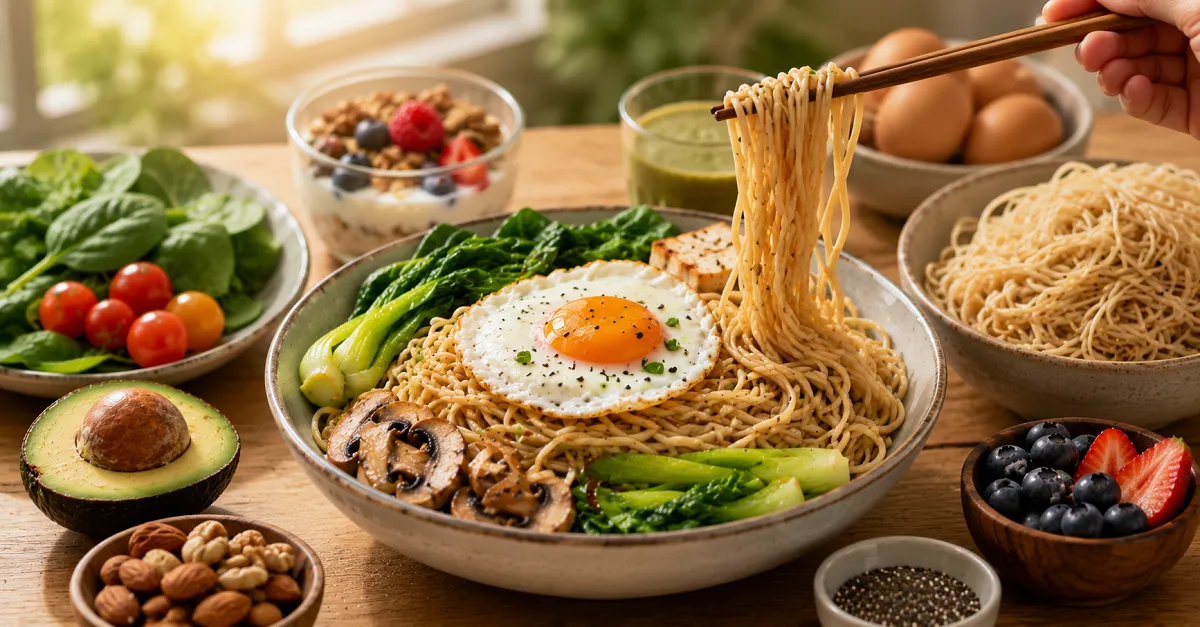
- Savory Satiety:Starting your day with a warm, savory bowl of noodles topped with a fried egg and spinach satisfies cravings far better than a cold, sugary yogurt or cereal.
- Speed: They cook in minutes, making them just as convenient as reaching for a processed bagel.
Why High-Protein Noodles are the Perfect Breakfast Choice:
To truly understand why swapping your standard breakfast for a combination of our High-Protein Noodles and fiber works, look at the clinical data comparing typical morning meals.
Table 1: Glycemic Impact and Satiety of Common Breakfasts
Breakfast Type | Est. Glycemic Index (GI) | Protein (g) | Fiber (g) | Blood Sugar Impact | Satiety Duration |
White Bagel & Cream Cheese | 72 (High) | 9g | 2g | Rapid Spike & Crash | 1.5 – 2 Hours |
Standard Cereal & Milk | 65 (Medium-High) | 8g | 3g | Fast Spike | 2 Hours |
Plain White Rice Porridge | 78 (High) | 4g | 1g | Rapid Spike & Crash | 1 – 1.5 Hours |
Standard Oatmeal (Unsweetened) | 55 (Low-Medium) | 6g | 4g | Moderate, Steady | 3 Hours |
Hethstia High-Protein Noodles (with greens) | 35 (Low) | 22g | 8g | Slow, Flat Curve | 4 – 5 Hours |
Note: Data represents average estimated values for standard serving sizes. Lower GI indicates a slower, safer absorption rate into the bloodstream.
As the table demonstrates, combining a high-protein base with adequate fiber keeps the Glycemic Index exceptionally low, making it a perfect breakfast to keep blood sugar stable.
Your Diabetic Diet Food List for Breakfast
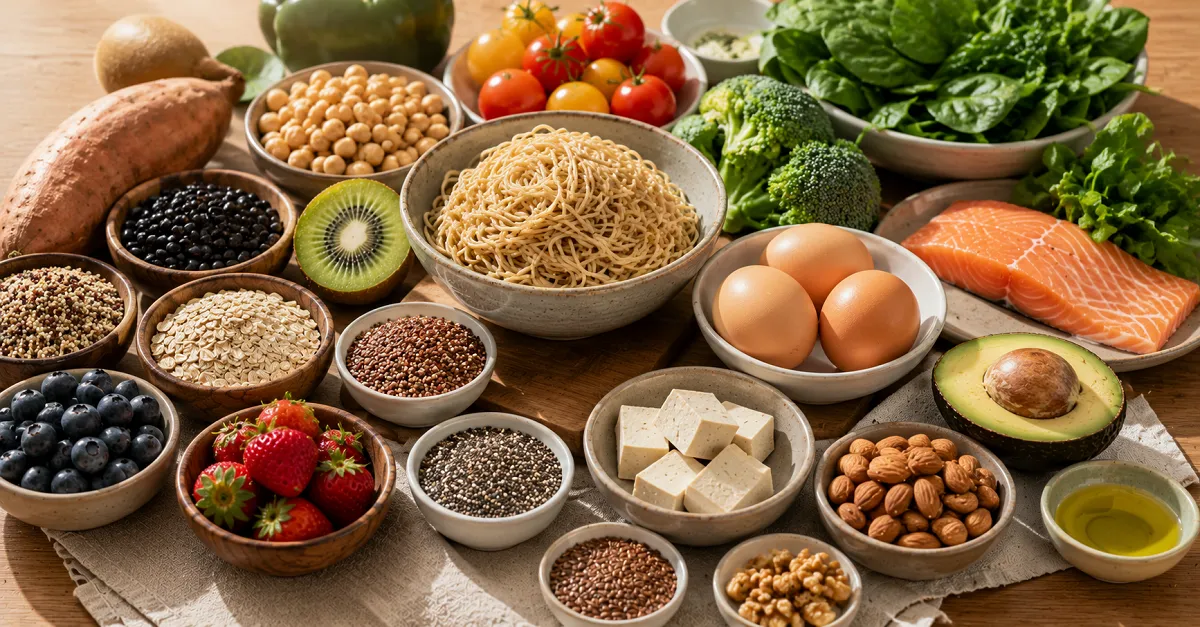
If you want to build meals that naturally control weight and manage insulin, you need the right ingredients on hand. Here is a comprehensive diabetic diet food list for breakfast to help you stock your pantry and fridge.
High-Quality Proteins (The Satiety Anchors)
- Our High-Protein Noodles
- Whole Eggs (boiled, poached, or scrambled)
- Unsweetened Greek Yogurt or Skyr
- Cottage Cheese
- Tofu and Tempeh
- Smoked Salmon
- Lean Turkey or Chicken Breast Sausage
High-Fiber Complex Carbohydrates (The Energy Sustainers)
- Steel-cut or Rolled Oats (avoid instant packets)
- Quinoa
- Sweet Potatoes (excellent for morning hashes)
- 100% Whole Wheat or Sprouted Grain Bread
- Buckwheat or Soba Noodles
- Beans and Legumes (black beans, chickpeas)
Fiber-Rich Fruits & Vegetables (The Micronutrient Boosters)
- Berries (blueberries, strawberries, raspberries – lowest sugar impact)
- Kiwi (high in Vitamin C and fiber)
- Leafy Greens (spinach, kale, arugula – perfect for omelets or noodle bowls)
- Tomatoes
- Broccoli
- Avocado (high in fiber and healthy fats)
Healthy Fats & Seeds (The Blood Sugar Stabilizers)
- Chia Seeds
- Flaxseeds (ground)
- Hemp Hearts
- Almonds, Walnuts, and Pecans
- Natural Peanut Butter or Almond Butter (no added sugar)
- Extra Virgin Olive Oil (for drizzling on savory breakfasts)
3 Simple Tweaks to Upgrade Your Breakfast Without Suffering
The key to fixing your morning diet is not to force yourself to eat foods you hate. The secret is the “slight edge”—making small, highly effective substitutions to the meals you already enjoy. Here are three simple adjustments to help you ease into becoming a high-fiber eater.
Tweak 1: Upgrade Your Carbohydrate Base
The core rule is: add a little, or swap a little. You do not have to abandon carbs; just switch from refined to whole or fortified grains.
- White Bread → Sprouted or Whole Wheat Bread
- Sugary Cereal → Rolled Oats topped with nuts
- White Rice Porridge → Mixed Grain or Oat Porridge
- Standard Wheat Noodles → High-Protein Noodles or Buckwheat Noodles
- Plain White Rice Bowl → Quinoa or mixed bean rice bowl
Tweak 2: Add One “Easy” Fruit or Vegetable
Do not force yourself to eat a massive, cold salad at 7:00 AM if you hate it. Just add one palatable, convenient plant to your plate.
- Toss a kiwi, half a pear, or a handful of berries next to your eggs.
- Throw a handful of cherry tomatoes into your morning pan.
- Instead of honey in your yogurt, use fresh blueberries or pineapple.
- Take spinach or broccoli you blanched the night before and quickly heat it up to mix into your High-Protein Noodles.
- Tuck a few slices of cucumber or lettuce into your morning wrap.
Tweak 3: Utilize the Hidden Bonus of Nuts and Seeds
If you have mastered the first two steps, take it one step further. Seeds and nuts dramatically increase the nutritional density, fiber, and satiety of your meal without adding much physical volume.
- Spread hummus or natural peanut butter on your whole-grain toast.
- Sprinkle a small handful of walnuts or almonds over your meal.
- Stir a spoonful of black sesame seeds, chia seeds, or flaxseeds into your yogurt or oatmeal.
The Golden Formula: High-Fiber Carb + Easy Veg/Fruit + Quality Protein + A Dash of Healthy Fats.
Delicious Diabetic Diet Breakfast Recipes
Putting theory into practice is the most crucial step. Here are three highly effective, scientifically sound diabetic diet breakfast recipes designed to keep your blood sugar flat and your appetite satisfied until lunch.
Recipe 1: The 5-Minute Savory High-Protein Power Noodle Bowl
This is the ultimate savory breakfast for those who need a substantial, warming meal that will not cause a glucose crash. It utilizes our flagship product for maximum morning efficiency.
Ingredients:
- 1 Serving of High-Protein Noodles
- 1 large egg
- 1 cup of fresh spinach or bok choy
- 1 tsp sesame oil
- 1 tbsp low-sodium soy sauce or coconut aminos
- 1 tsp chia seeds or sesame seeds for topping
- Optional: 1/4 cup sliced mushrooms
Instructions:
- Bring a small pot of water to a boil. Add the High-Protein Noodles and cook according to package instructions (usually 3-4 minutes).
- In the last minute of boiling, toss in the spinach, bok choy, and mushrooms to blanch them quickly.
- Drain the noodles and vegetables, and place them in a bowl. Toss with the sesame oil and low-sodium soy sauce.
- In a separate non-stick pan, quickly fry the egg sunny-side-up or poach it.
- Place the egg on top of the noodles and sprinkle with chia or sesame seeds.
Why it works: You get over 25g of protein from the noodles and egg, a massive fiber boost from the greens and seeds, and zero refined sugars. It is an exceptional breakfast to control blood sugar and weight.
Recipe 2: The Blood-Sugar-Friendly Overnight Chia Oats
For those who prefer a grab-and-go sweet option that safely acts as a good breakfast for insulin resistance.
Ingredients:
- 1/3 cup rolled oats (not instant)
- 2 tbsp chia seeds
- 3/4 cup unsweetened almond milk or soy milk
- 1 scoop unflavored or vanilla whey/plant protein powder
- 1/4 cup fresh blueberries
- 1 tbsp chopped walnuts
Instructions:
- In a mason jar, combine the oats, chia seeds, protein powder, and milk. Stir vigorously until the protein powder is fully dissolved and the chia seeds are dispersed.
- Seal the jar and leave it in the refrigerator overnight.
- In the morning, top with fresh blueberries and chopped walnuts.
Why it works: Chia seeds are incredibly dense in soluble fiber. When combined with rolled oats and a scoop of protein, this meal slows digestion to a crawl, ensuring a completely flat blood sugar response.
Recipe 3: The Fiber-Stuffed Mediterranean Omelet
A classic healthy breakfast food for weight loss that focuses entirely on whole foods.
Ingredients:
- 2 whole eggs + 1 egg white
- 1/4 cup black beans (rinsed and drained)
- 1/4 cup diced tomatoes
- 1/4 cup chopped bell peppers
- 1/4 avocado, sliced
- 1 slice of sprouted whole-grain toast
Instructions:
- Whisk the eggs and egg white together in a bowl.
- Lightly spray a skillet with olive oil and sauté the tomatoes and bell peppers until soft.
- Pour the eggs over the vegetables. As the eggs set, add the black beans to one side.
- Fold the omelet over and cook until entirely set.
- Serve with a side of sliced avocado and one piece of sprouted whole grain toast.
Why it works: Black beans are a secret weapon for blood sugar control, packed with resistant starch and fiber. Paired with the healthy fats of the avocado and the protein of the eggs, this meal guarantees you will not experience an 11:00 AM energy crash.
Conclusion: Stop Enduring, Start Nourishing
The belief that a healthy breakfast must be restrictive, bland, or unsatisfying is completely outdated. By shifting your perspective and focusing on high-quality fiber and robust protein sources, you can transform your mornings.
You do not need to rely on sheer willpower to avoid the mid-morning snack cart. You simply need a breakfast to keep blood sugar stable. By incorporating innovative, satisfying options like our High-Protein Noodles, utilizing whole grains, adding accessible fruits and vegetables, and leveraging nuts and seeds, you effortlessly build a resilient metabolic foundation.
Long-term consistency is where the magic happens. Over time, as you transition into a “high-fiber eater,” you will notice profound changes. Your digestion will improve, your blood sugar will remain perfectly steady, excess weight will become easier to shed, and your morning brain fog will disappear. You are not just eating breakfast; you are actively investing in your lifelong health.