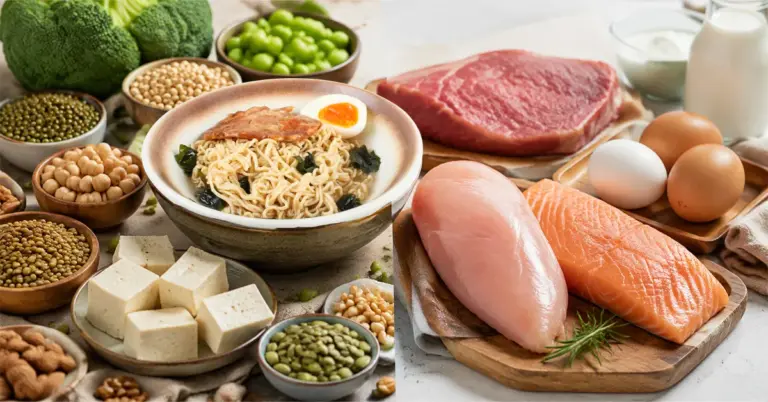


Navigating the protein landscape today can feel like a full-time job. Walk into any supplement store or health food aisle, and you are immediately bombarded with tubs, bars, and functional foods promising massive gains, rapid fat loss, and optimized recovery. But whether you are trying to build lean muscle, lose stubborn body fat, or simply eat a cleaner, more sustainable diet, the actual source of your macros matters tremendously.
Finding the right fit isn’t just about looking at the total grams of protein on the back of the label. It depends heavily on your digestive tolerance, your dietary ethics, and your specific fitness goals. Let’s dive deep into the science, the myths, and the real-world applications of these macronutrient titans to help you find your ultimate champion.
Whey Protein: The Traditional Heavyweight
For decades, dairy-based whey has been the undisputed king of the fitness industry. Walk into any gym locker room, and you’ll hear the familiar sound of shaker bottles rattling. But why did whey become the gold standard in the first place?
The Standard of Muscle Synthesis
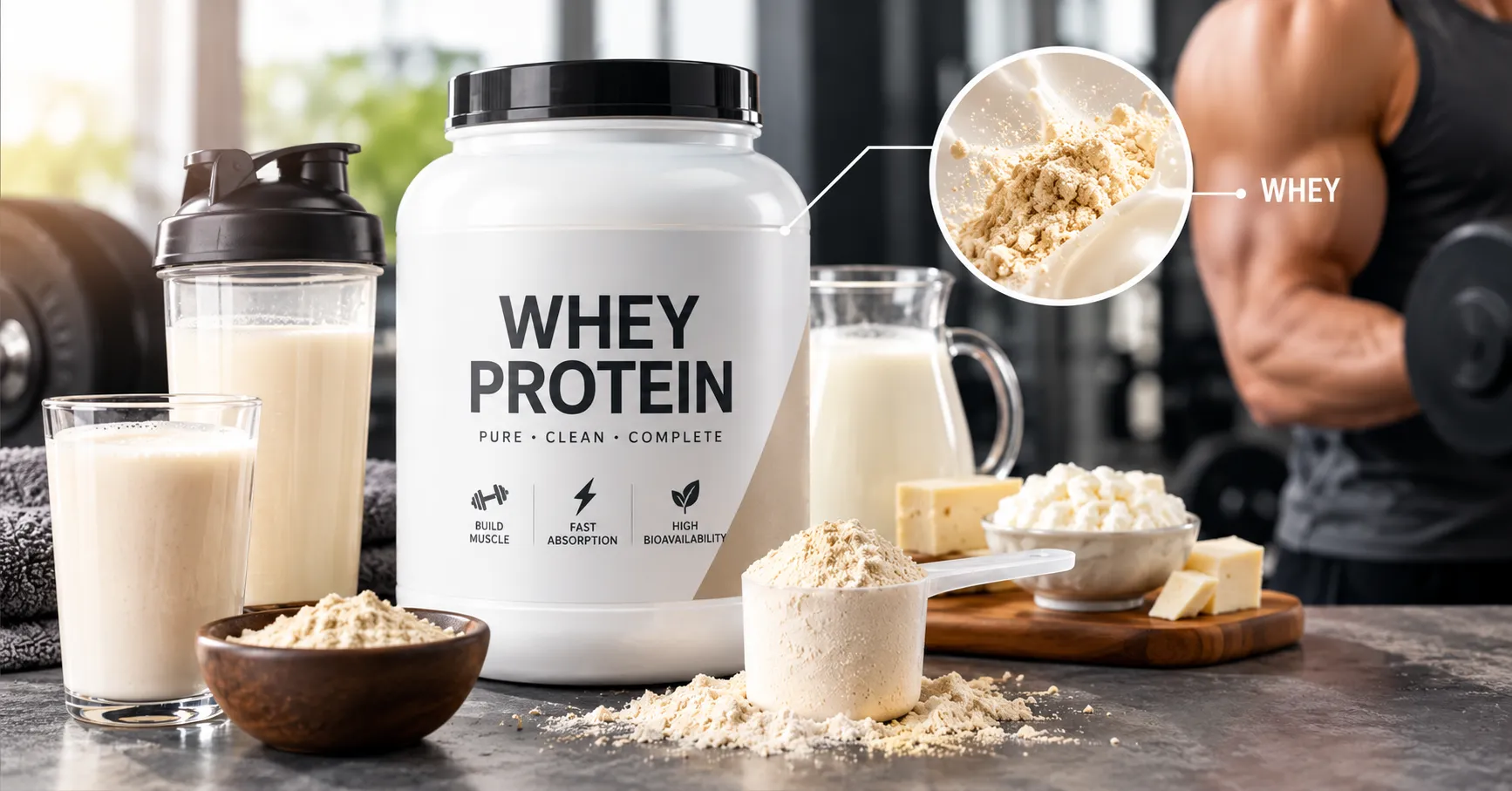
Whey protein is a byproduct of the cheese-making process. When milk is curdled, the liquid that separates from the curds is whey. Its dominance in the sports nutrition world comes down to two primary factors: rapid absorption and incredibly high bioavailability. Whey has a near-perfect Protein Digestibility Corrected Amino Acid Score (PDCAAS), meaning your body can efficiently utilize almost every gram you consume. It digests quickly, flooding your bloodstream with amino acids exactly when your muscles are screaming for nutrients—making it the quintessential post-workout recovery tool.
The Variations: From Platinum to Banana
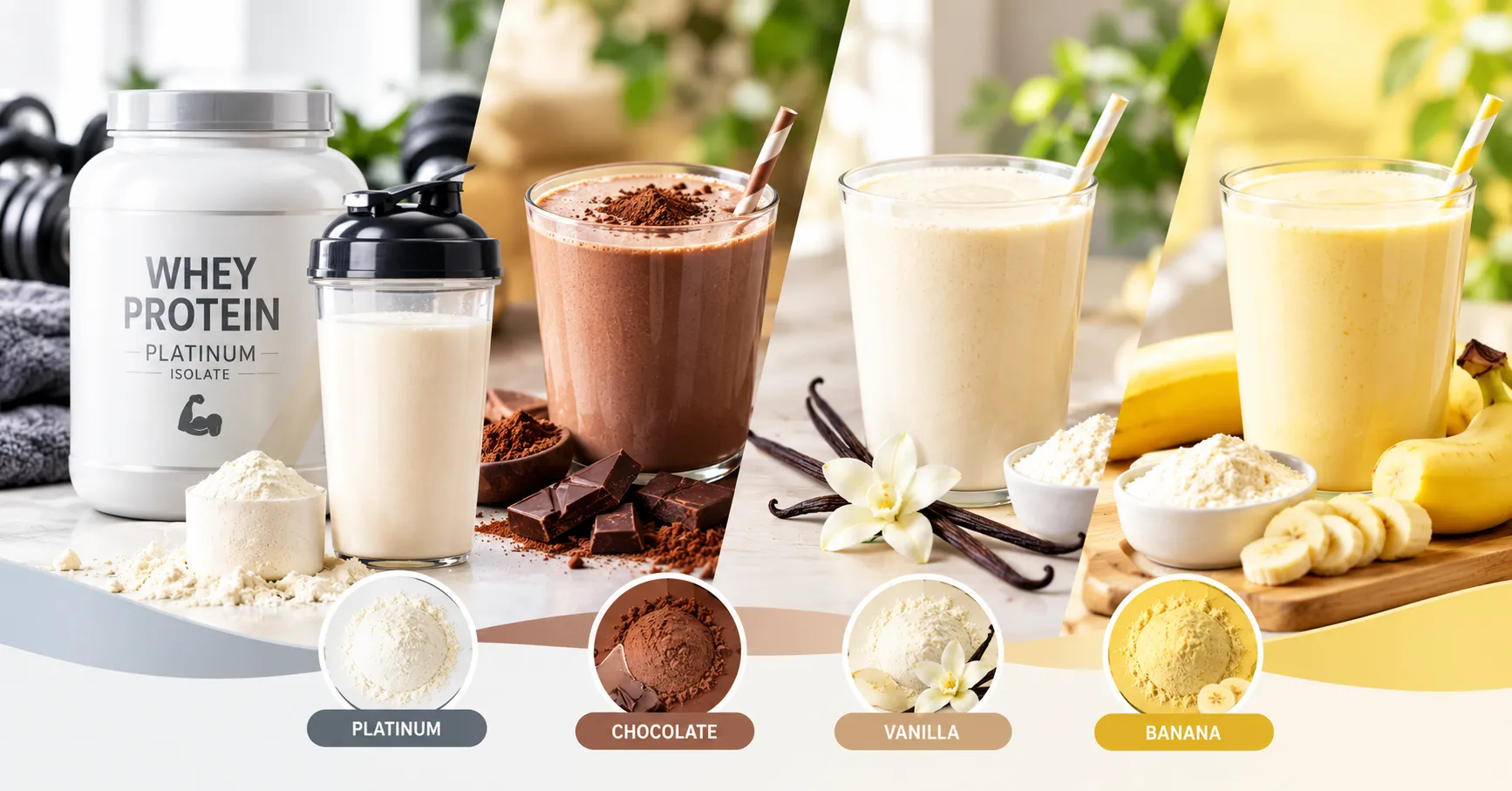
The whey market has evolved drastically from the chalky, hard-to-stomach powders of the 1990s. Today, gym-goers often reach for premium platinum whey protein blends, which undergo rigorous microfiltration to remove excess fats and lactose, leaving a highly purified isolate. Flavor science has also exploded. While chocolate and vanilla will always be staples, nostalgic and dessert-like flavors—such as a creamy banana whey protein—have become incredibly popular for those looking to satisfy their sweet tooth while hitting their macros.
The Ultimate Muscle Builder
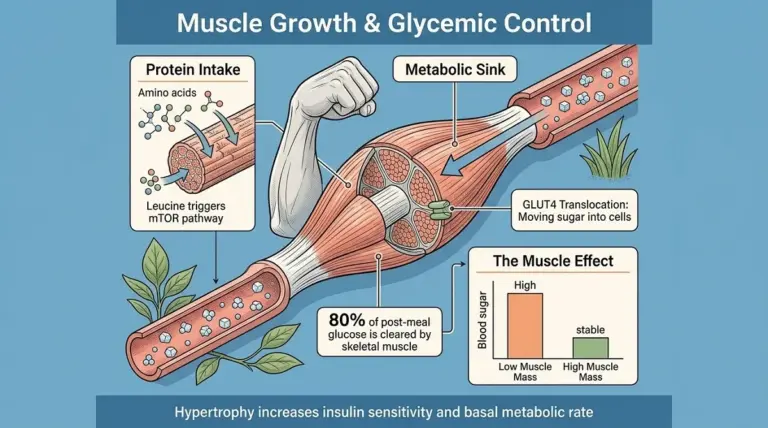
When it comes to pure hypertrophy (muscle growth), whey has a reputation as a highly anabolic protein. This is largely due to its exceptionally high leucine content. Leucine is the primary branched-chain amino acid (BCAA) responsible for triggering muscle protein synthesis—the biological switch that tells your body to repair and grow muscle tissue.
The Catch: Allergen Concerns and Additives
However, whey isn’t perfect for everyone. Because it is dairy-based, it can cause severe bloating, gas, and acne in lactose-intolerant or dairy-sensitive individuals. Furthermore, to make whey powders mix smoothly in water, manufacturers traditionally use soy lecithin as an emulsifier. Today, a growing segment of health-conscious consumers actively seek whey protein isolate without soy to avoid any trace of soy allergens or genetically modified ingredients, demanding cleaner, sunflower-lecithin alternatives instead.
Soy Protein: The Plant-Based Pioneer
Long before the current explosion of alternative plant meats, there was soy. For decades, soy has been the foundational protein for vegans, vegetarians, and cultures across Asia. Yet, in the Western fitness world, it has often been misunderstood.
The Complete Package
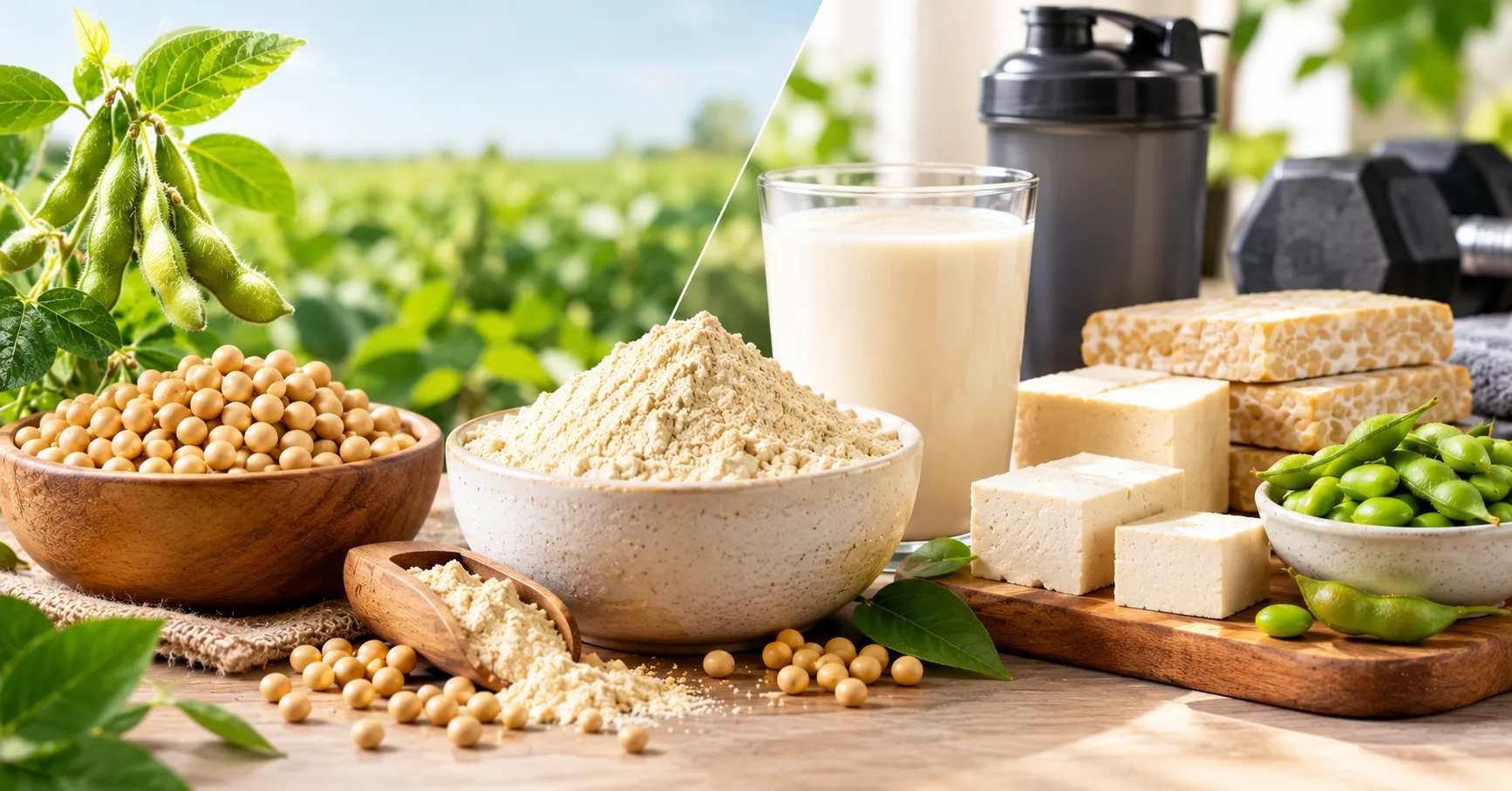
The defining characteristic of the high protein soybean is that it is one of the very few plant sources considered a “complete protein.” This means it naturally contains all nine essential amino acids in adequate proportions that your body cannot produce on its own. You don’t need to mix and match it with other grains or seeds to get a complete macro profile.
Dietary Sources: Whole Foods vs. Isolates
Soy is incredibly versatile, showing up in our diets in various forms. On one end of the spectrum, you have traditional soy protein foods like edamame, tempeh, and tofu. These whole-food sources provide not just protein, but also fiber, healthy fats, and micronutrients.
On the other hand, you have highly refined foods with soy protein isolate. This isolate is created by stripping the soybean of its fats and carbohydrates, leaving a dry powder that is upwards of 90% pure protein. You will find soy protein isolate hiding in plain sight in thousands of products, from mainstream protein bars and breakfast cereals to modern plant-based burgers.
Functional Nutrition and Savory Meals
Beyond shakes and bars, soy excels in savory culinary applications. Textured soy protein nutrition (often referred to as TVP) is a revelation for plant-based cooking. Made from defatted soy flour, it has a spongy, fibrous texture that flawlessly mimics ground beef or poultry when rehydrated. It absorbs broths and spices beautifully, making it a staple for vegan chilis, tacos, and savory stews.
Fitness Application: Debunking the Myths
For years, a pervasive piece of “bro-science” claimed that soy protein would increase estrogen levels and lower testosterone in men due to its phytoestrogen (isoflavone) content. Extensive modern clinical trials and meta-analyses have thoroughly debunked this. Soy protein isolate for bodybuilding is now recognized as a highly effective, science-backed way to build lean muscle on a vegan diet. It stimulates muscle protein synthesis efficiently and supports heavy training protocols without negatively impacting male hormones.
Pea Protein: The Hypoallergenic Rising Star
If whey is the traditional king and soy is the pioneer, pea protein is the modern disruptor. Extracted primarily from yellow split peas, this ingredient has taken the natural food and supplement industry by storm over the last decade.
The Clean, Allergy-Friendly Alternative
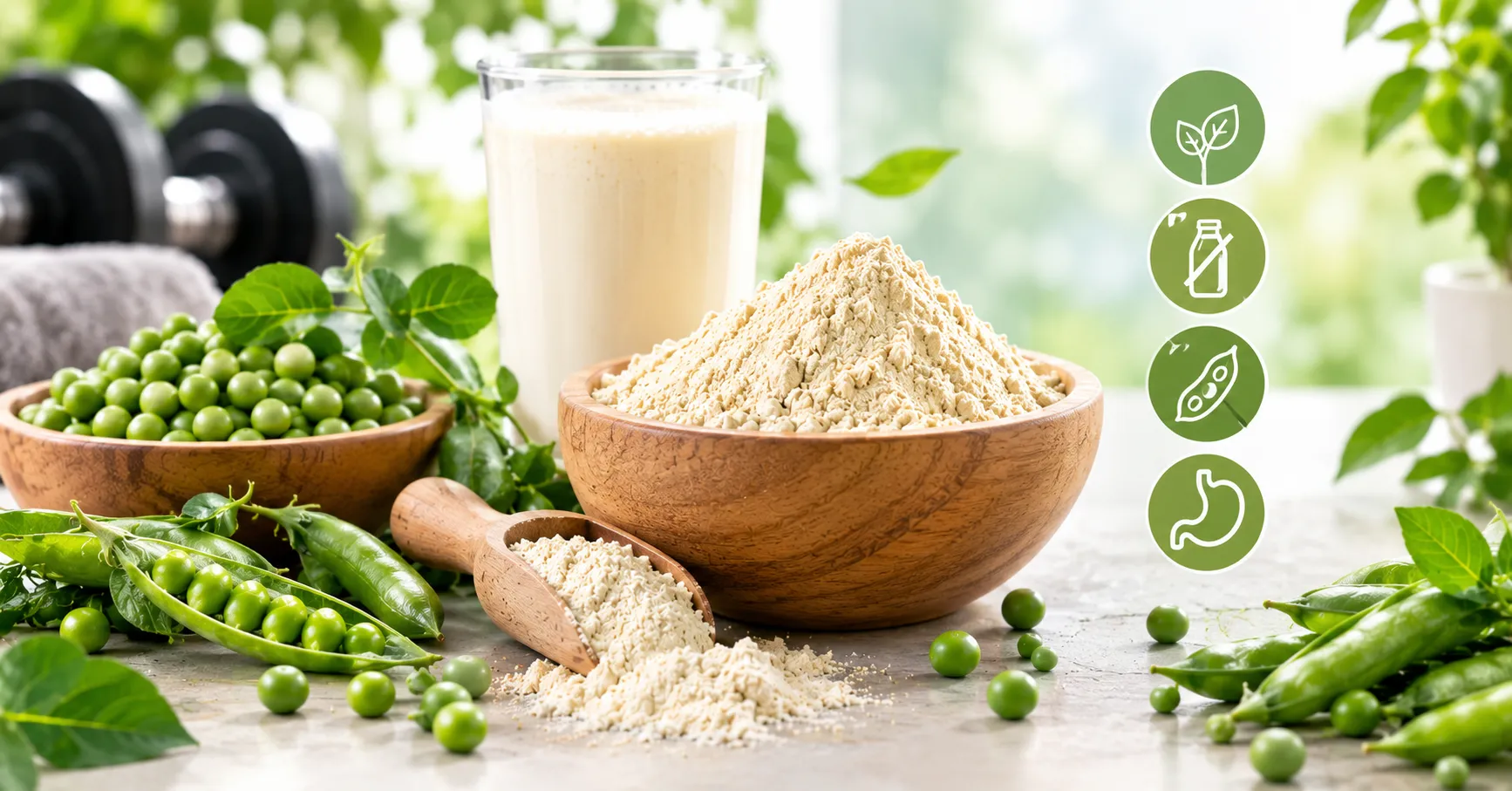
The massive surge in plant-based pea protein popularity comes down to one major factor: it is hypoallergenic. It is naturally dairy-free, gluten-free, and soy-free. For the millions of consumers who suffer from food intolerances, irritable bowel syndrome (IBS), or specific food allergies, pea protein is a digestive haven. It rarely causes the bloating associated with whey or the digestive distress some experience with soy.
Satiety & Shredding
When it comes to fat loss, pea protein has a unique advantage. If you are looking into pea protein for weight loss, you will be pleased to know that it digests at an intermediate rate—slower than whey but faster than casein. This moderate digestion speed, combined with its dense nutritional profile, makes it incredibly satiating. A pea protein meal or shake can keep you feeling full and satisfied for hours, naturally reducing your urge to snack and helping you maintain the caloric deficit required for weight loss.
Gains Without Dairy
You might wonder if a humble pea can actually help you pack on size. The answer is a resounding yes. Pea protein for bodybuilding is gaining massive traction because peas are naturally rich in Branched-Chain Amino Acids (BCAAs). While slightly lower in total leucine than whey, pea protein is remarkably high in arginine. Arginine is an amino acid that acts as a vasodilator, converting to nitric oxide in the body. This promotes healthy, expanded blood flow during heavy resistance training, delivering oxygen to the muscles and creating that sought-after muscle “pump” without the need for dairy.
The Head-to-Head: Is Pea or Soy Protein Better?
When consumers decide to step away from dairy, they are usually left with the ultimate plant-based dilemma. So, let’s directly address the big question: Is pea or soy protein better for the modern consumer?
The truth is, neither is objectively “better” in a vacuum; they both serve different biological and lifestyle needs. Let’s break down the actual science.
The Amino Acid Breakdown
The most critical battleground is the pea protein vs soy protein amino acid profile.
Soy protein is structurally complete. It contains optimal levels of all nine essential amino acids.
Pea protein, while highly nutritious, is slightly lacking in one specific amino acid: methionine. Methionine is crucial for metabolism and tissue repair. However, this “gap” is easily solved. By eating a varied diet that includes grains (like rice or wheat) throughout the day, your body easily pools the necessary amino acids. In fact, many commercial pea protein powders blend in rice protein to create a perfectly complete amino acid profile right out of the tub.
| Essential Amino Acid | Soy Protein Isolate (per 100g) | Pea Protein Isolate (per 100g) | Whey Isolate (per 100g) |
| Leucine (Muscle Trigger) | ~8.0g | ~8.2g | ~10.5g |
| Arginine (Blood Flow) | ~7.5g | ~8.7g | ~2.1g |
| Methionine (Metabolism) | ~1.3g | ~0.9 g (Slightly low) | ~2.2g |
| Valine | ~4.9g | ~5.0g | ~5.9g |
Processing, Purity, and Environment
When comparing pea protein isolate vs soy protein isolate, we also have to look at how they are made and their environmental impact.
Soy protein isolation often requires chemical solvents (like hexane) during the extraction process to separate the protein from the fats. While the final product is safe, some clean-eating advocates prefer to avoid solvent-processed foods.
Pea protein isolate, on the other hand, is typically extracted using mechanical and water-based processes, making it a cleaner label choice. Environmentally, yellow peas are nitrogen-fixing crops. They literally pull nitrogen from the air and push it into the soil, reducing the need for synthetic fertilizers and making pea protein one of the most environmentally sustainable protein sources on the planet.
Ditch the Shakes: A Better Way to Hit Your Macros
We need to address the elephant in the room: flavor fatigue. If you are serious about your fitness, you are probably tired of chugging sweet, chalky protein shakes. Whether it’s artificial chocolate, overpowering vanilla, or aggressively sweet berry flavors, drinking your protein day in and day out can become a culinary chore. Fitness enthusiasts crave savory, real-food options that feel like a reward rather than a biological necessity.
The supplement industry has trained us to view protein as a sweet liquid, but food technology has evolved. Today, you don’t need a blender bottle to hit your macros; you can do it with a fork and a bowl.
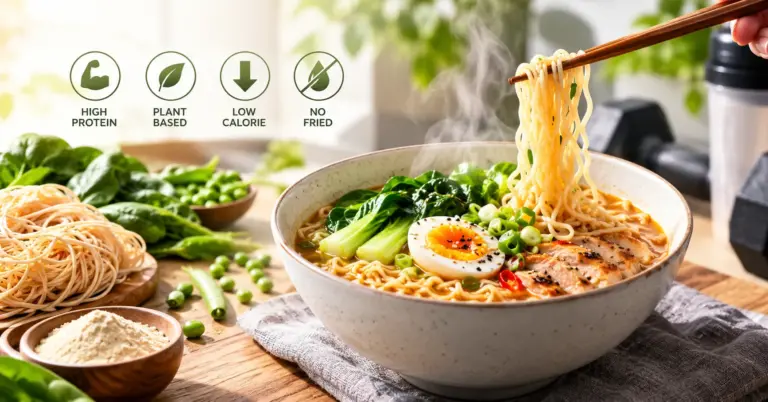
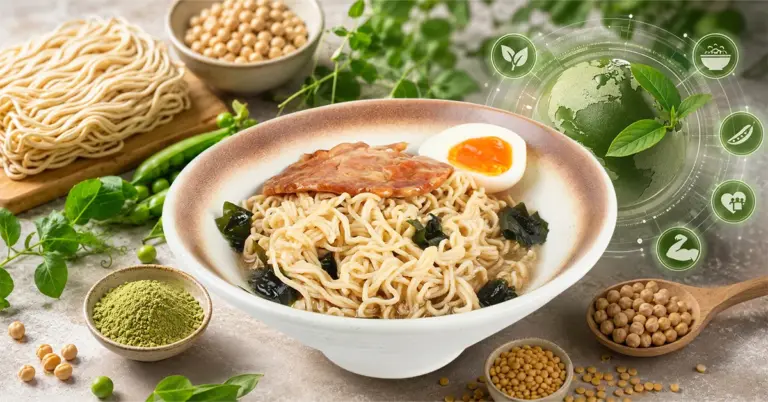
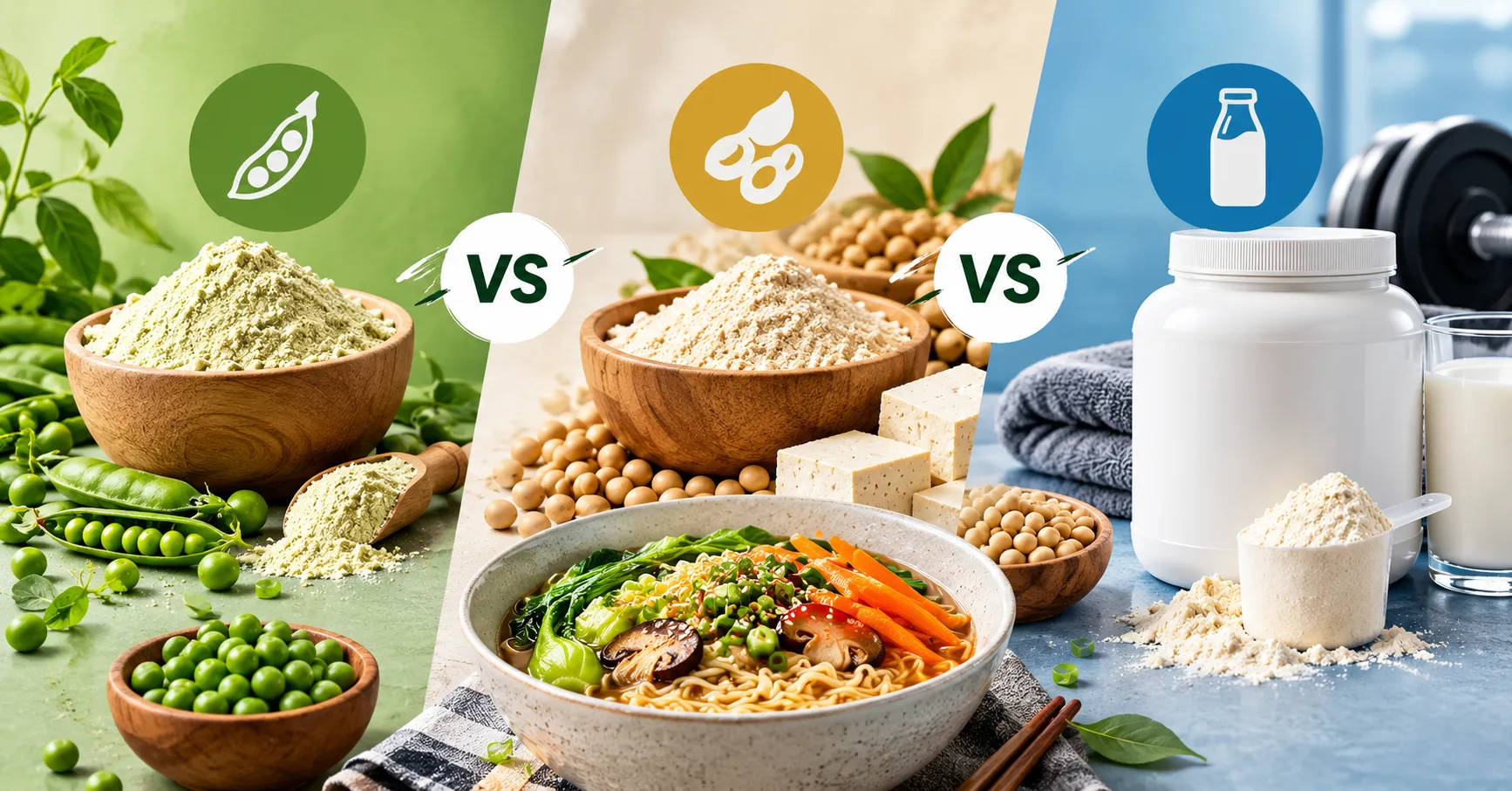
If you are tired of sweet shakes and want a savory, comforting way to hit your daily macros, swapping your regular noodles for High-Protein Ramen is an absolute game-changer. By blending advanced plant proteins directly into the dough, you get the bouncy, slurpable texture of authentic ramen without the empty carbs.
Imagine finishing a heavy leg day and sitting down to a steaming, savory bowl of umami-rich noodles that packs just as much protein as your standard post-workout shake. It digests beautifully, satisfies your craving for salt and carbohydrates, and utilizes clean plant proteins to fuel muscle repair. Integrating protein-fortified whole foods like this into your routine eliminates shaker-bottle fatigue and brings the joy back to eating for performance.
Conclusion: Choosing Your Champion
So, who wins the great macro showdown? It entirely depends on your lifestyle.
- Choose Whey Protein if you tolerate dairy perfectly, want the absolute fastest absorption rate post-workout, and are focused purely on maximum leucine delivery for hypertrophy.
- Choose Soy Protein if you want the most complete, cost-effective plant protein available, enjoy versatile culinary foods like tofu, and want a thoroughly researched ingredient with a robust amino acid profile.
- Choose Pea Protein if you have sensitive digestion, want to avoid common allergens like dairy and soy, prioritize environmentally sustainable crops, and love the blood-flow benefits of high arginine.
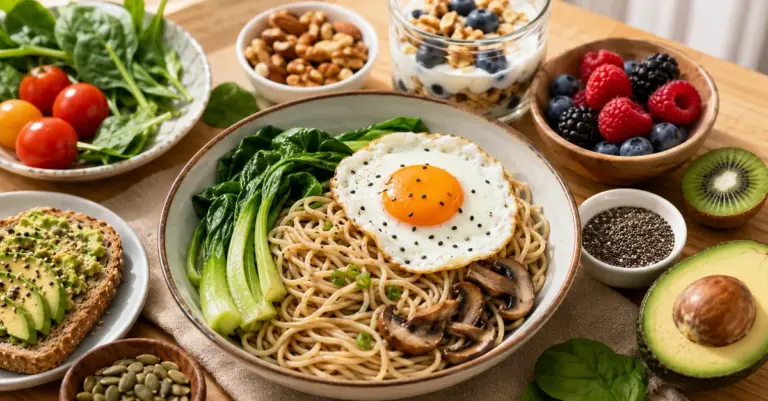
Ultimately, you don’t have to lock yourself into just one source. The healthiest, most robust diets are diverse. Look beyond the powder aisle, start integrating protein-fortified whole foods and savory meals into your daily prep, and let your body reap the benefits of a well-rounded nutritional strategy.
Frequently Asked Questions (FAQs)
1. Is pea or soy protein better for someone with a sensitive stomach?
Pea protein is almost universally better for sensitive stomachs. It is free from the top eight major allergens (including dairy, soy, and wheat) and is significantly less likely to cause the bloating or gas sometimes associated with whey or soy.
2. Can I build just as much muscle with plant protein as with whey?
Absolutely. Numerous studies have shown that when total daily protein intake and leucine thresholds are met, plant proteins (like soy and pea blends) promote muscle hypertrophy just as effectively as dairy-based whey.
3. What does "whey protein isolate without soy" actually mean?
Most whey protein powders use a small amount of soy lecithin as an emulsifier to stop the powder from clumping in water. “Without soy” means the manufacturer has swapped this out (usually for sunflower lecithin) to cater to those with soy allergies.