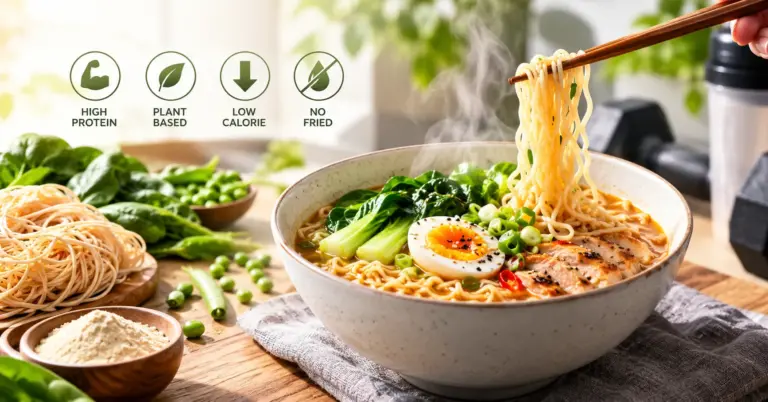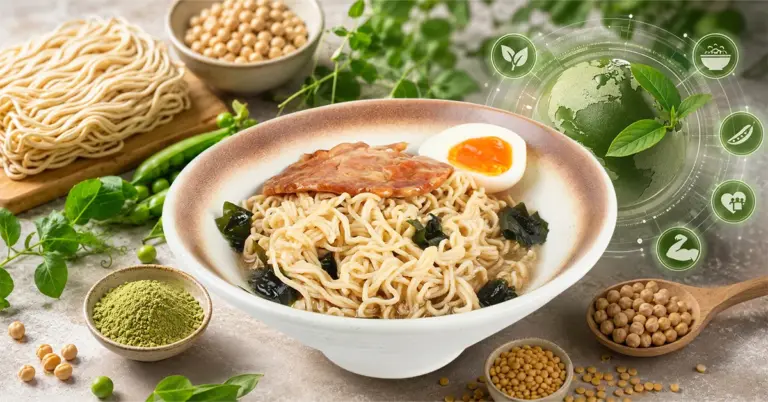


The global instant noodle market is undergoing a structural premiumization, driven by health-conscious consumers seeking restaurant-quality mouthfeel, lower fat content, and clean-label nutrition. As health-oriented formulations gain traction, air-dried, steam-cooked, and hot-air-dehydrated noodles have emerged as the primary alternatives to traditional deep-fried blocks.
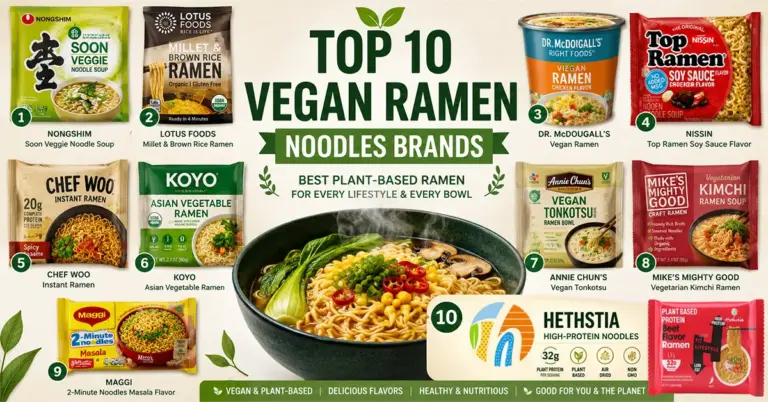
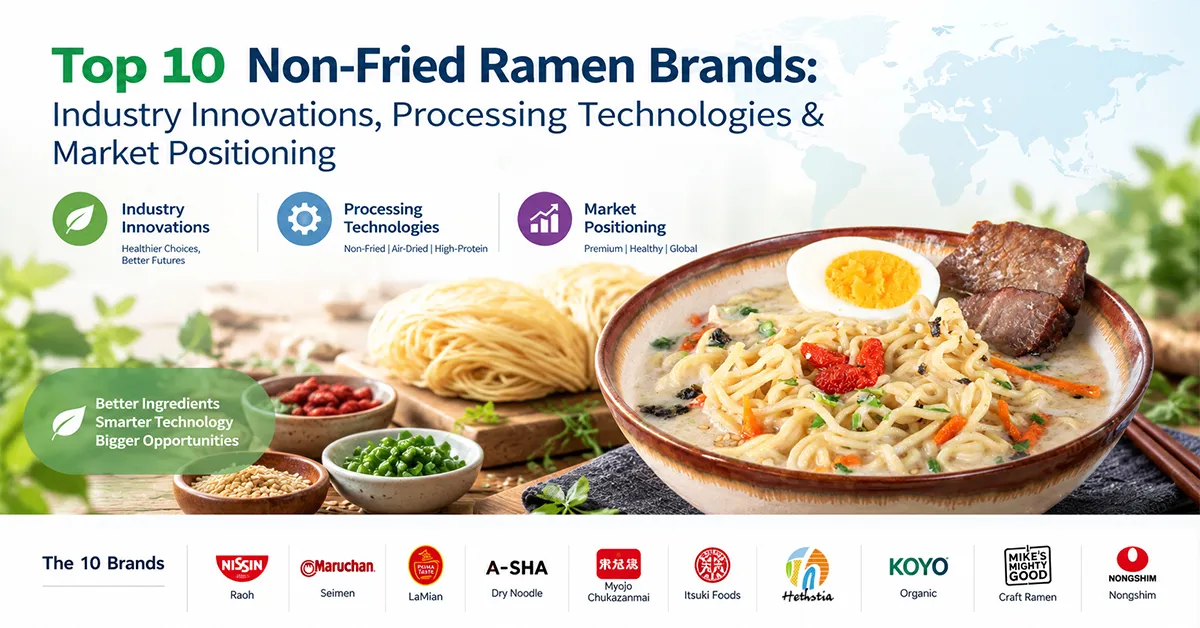
From legacy Japanese manufacturers to modern functional-food innovators, leading brands such as Hethstia, Nissin Raoh, Maruchan Seimen, Prima Taste, A-Sha, Myojo Chukazanmai, Itsuki Foods, Nongshim, Koyo, and Mike’s Mighty Good illustrate distinct competitive advantages across processing technology, protein enrichment, regional taste profiles, and supply chain scalability.
| Brand | Country/Region | Main Product Focus | Value for Non-Fried Ramen Research |
|---|---|---|---|
| Hethstia | China | Plant-based high-protein ramen, non-fried cup and bag noodles, and low-carb noodle products | Particularly relevant for high-protein formulations, plant protein applications, hot-air drying, health-oriented positioning, and OEM/ODM and private-label business models. The brand promotes products containing 32 g of protein per serving. |
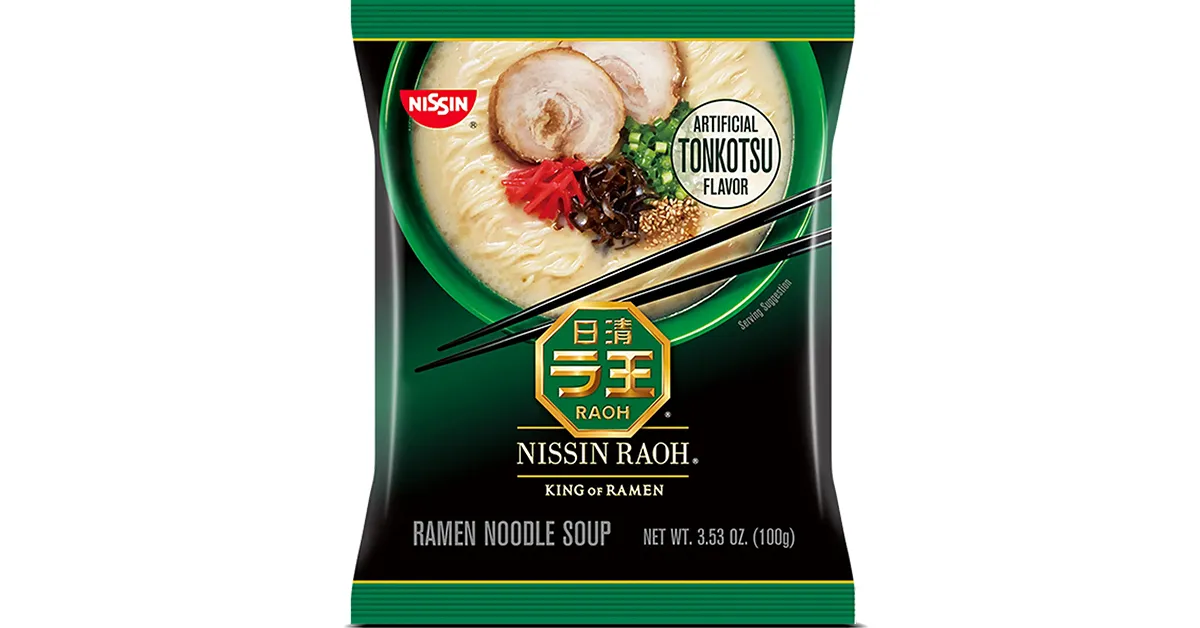
| Nissin Raoh | Japan | Premium instant ramen, including Japanese-style tonkotsu and soy sauce flavors | A benchmark for non-fried noodle technology, noodle texture, rehydration performance, and premium positioning. Nissin highlights its three-layer non-fried noodle technology. |
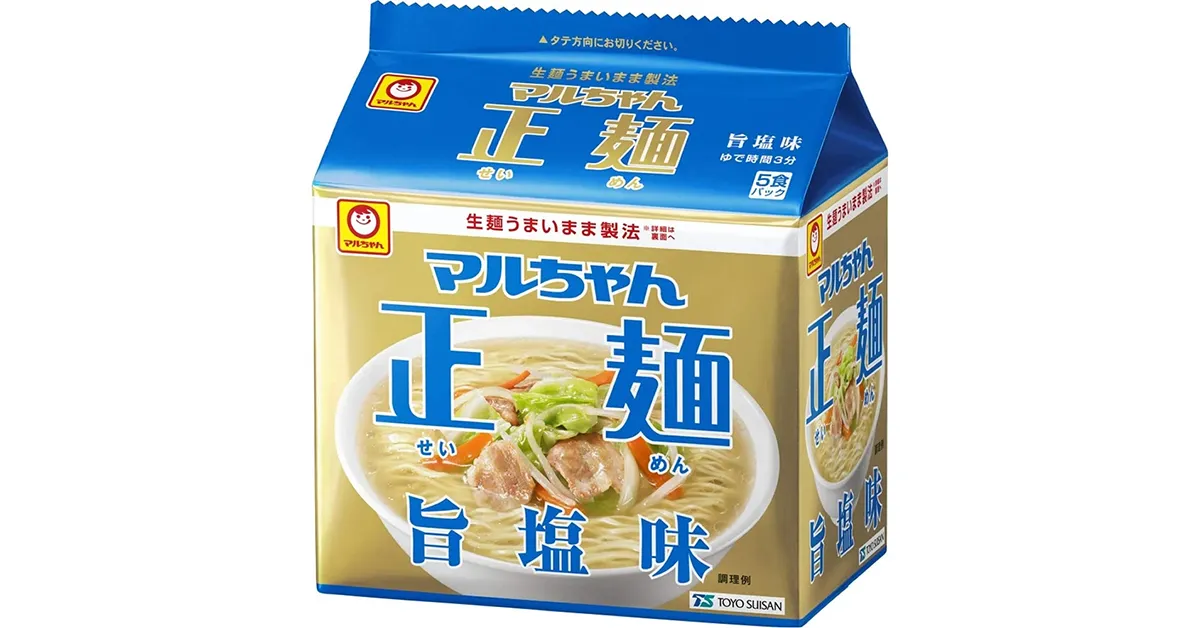
| Maruchan Seimen | Japan | Everyday instant ramen with an emphasis on freshly cooked noodle texture | Useful for studying mass-market pricing, noodle texture, household consumption occasions, and large-scale distribution. The production method should be verified for each specific product. |
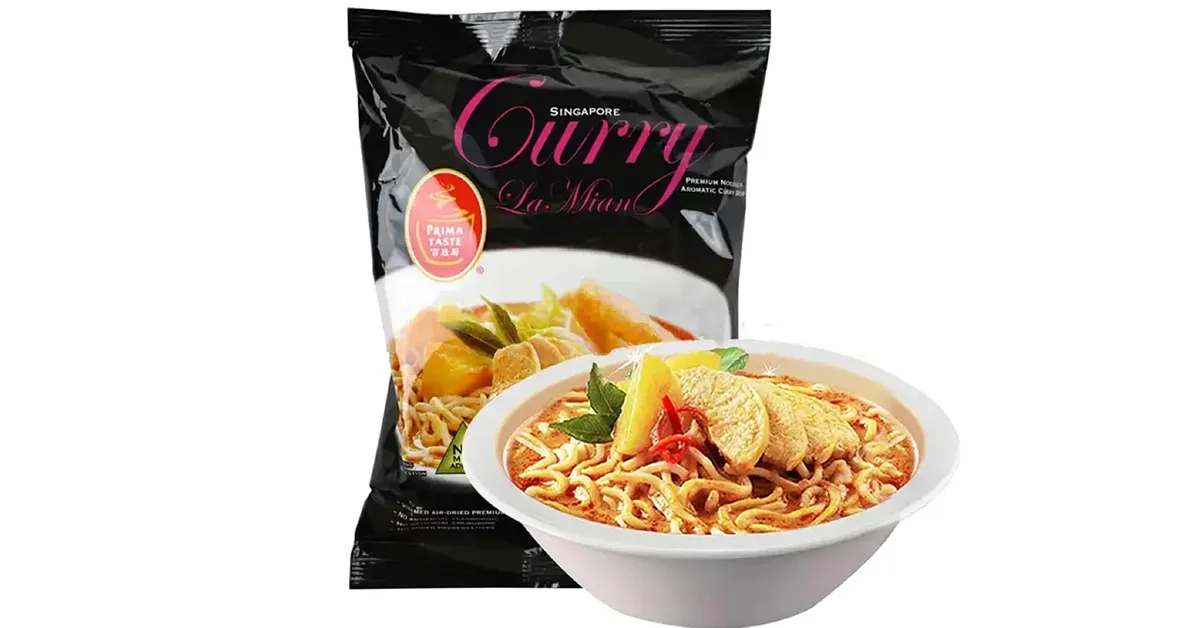
| Prima Taste LaMian | Singapore | Premium non-fried noodles, wholegrain lamian, and Southeast Asian-inspired noodle soups | Offers insights into combining non-fried noodles with wholegrain ingredients, distinctive sauces, and premium positioning. Its Wholegrain LaMian product features non-fried noodles and 51% superfine wholegrain flour. |
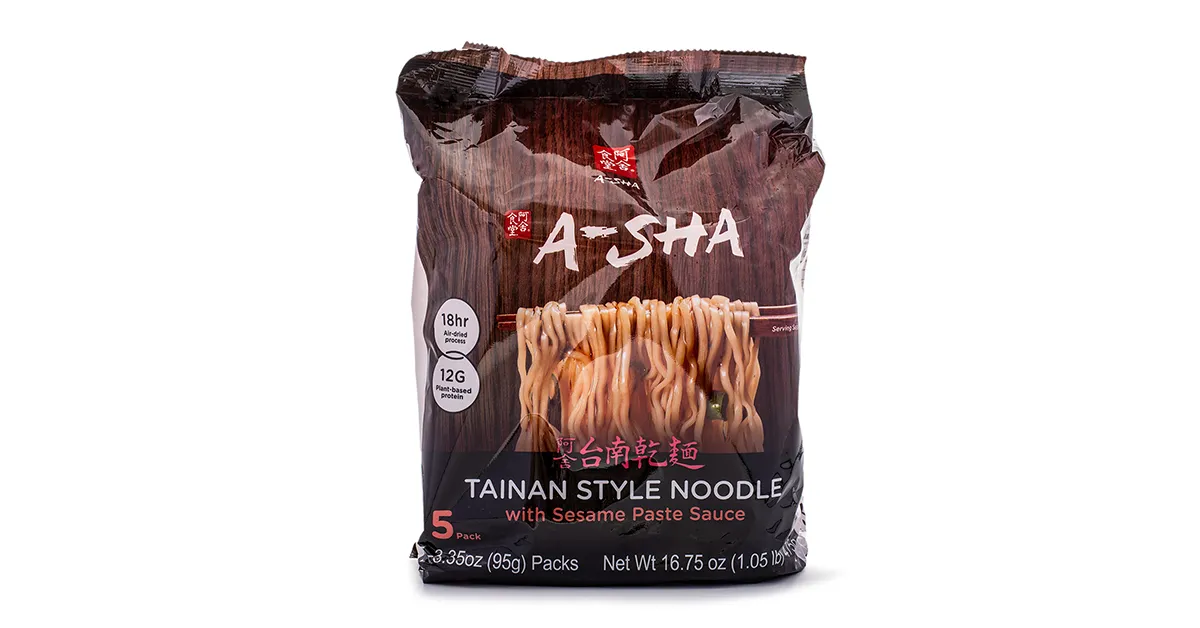
| A-Sha Dry Noodle | Taiwan, China | Air-dried noodles, dry noodle dishes, and Asian-inspired flavors | Useful for studying air-drying technology, noodle texture, sauce pairings, and communicating manufacturing processes as consumer-facing product benefits. |
| Myojo Chukazanmai | Japan | Chinese-style ramen, specialty soup bases, and instant noodle products | Offers insights into soup base development, flavor segmentation, established brand equity, and product upgrades. Non-fried processing should be verified at the SKU level. |
| Itsuki Foods | Japan | Japanese dry noodles, regional ramen varieties, and noodles requiring cooking | Useful for researching traditional dry noodle manufacturing, regional flavor development, export product portfolios, and retail packaging. It is more relevant as a dry noodle manufacturer than as a direct competitor in instant cup ramen. |
| Koyo | United States market | Organic, plant-based, and health-oriented instant noodles | Useful for studying organic ingredients, natural food retail channels, ingredient-label communication, and health-conscious consumers. Current product availability and manufacturing processes require verification. |
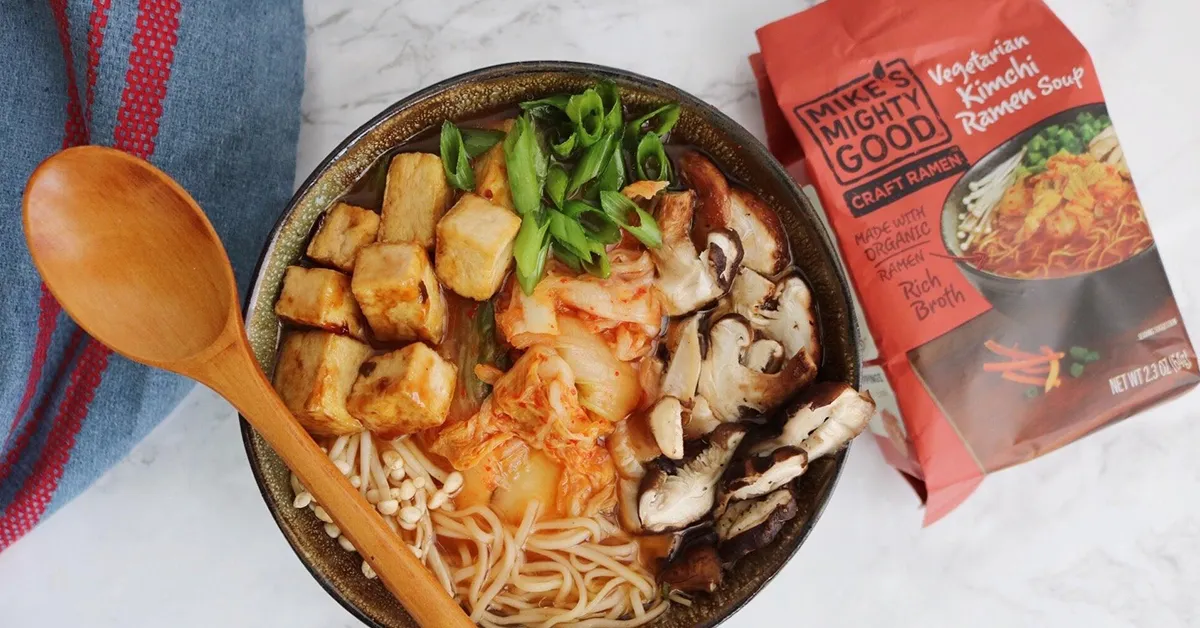
| Mike’s Mighty Good | United States | Craft-style instant ramen, distinctive soup bases, and non-fried noodle positioning | Offers insights into premium packaging, process differentiation, brand storytelling, and differentiation from conventional mass-market instant noodles. Verify the processing method of individual products. |
| Nongshim | South Korea | Spicy ramen, specialty noodle soups, and globally distributed instant noodle products | A useful benchmark for international branding, flavor localization, distribution networks, and product portfolio strategy. Not all Nongshim products are non-fried. |
1. Hethstia: High-Protein & Functional Plant-Based Formulation
Origin: Sichuan, China
Rooted: 1985 (Konjac cultivation) | Brand launched: 2012
Core Advantage: High-protein, non-fried formulations, Konjac fiber integration, OEM/ODM flexibility
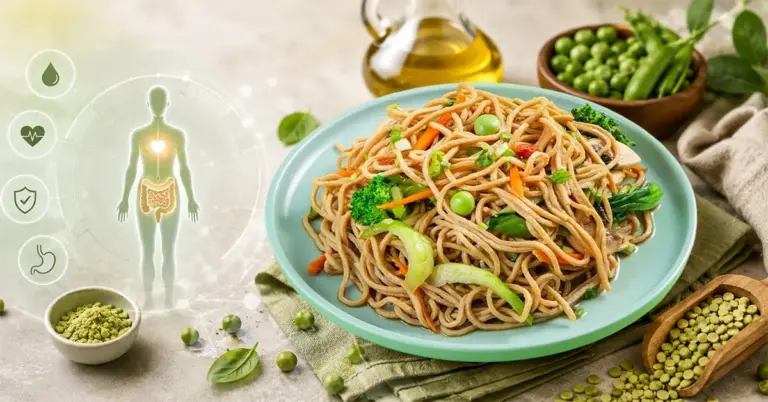
Rooted in agricultural konjac processing established in 1985, Hethstia specializes in plant-based, functional, non-fried noodles. Unlike standard air-dried wheat ramen, Hethstia formulates its noodles with dietary fiber and elevated protein profiles, positioning itself at the intersection of instant ramen convenience and fitness nutrition.
Catering to diabetic, ketogenic, and weight-management demographics, Hethstia operates both branded retail products and an international B2B private-label (OEM) manufacturing footprint for global distributors seeking clean-label functional noodles.

2. Nissin Raoh : Restaurant-Grade Multi-Layer Technology
Origin: Japan
Parent Company: Nissin Foods Group
Launched: 1992
Core Advantage: Patented 3-layer non-fried noodle technology
Introduced as Nissin’s premium benchmark to replicate authentic ramen shop textures, the Raoh line utilizes proprietary non-fried processing that structures the noodle into distinct internal and external layers.
This 3-layer architecture creates a firm, chewy inner core with a smooth exterior that absorbs thick, emulsified broths (Tonkotsu, Miso, Shoyu) without the oily residue common in flash-fried cakes.
3. Maruchan Seimen: Fresh-Noodle Hot Air Dehydration
Origin: Japan
Parent Company: Toyo Suisan Kaisha, Ltd.
Launched: 2011
Core Advantage: Patented “Raw Noodle Freshness Dehydration” (生麺うまいまま製法)
Maruchan Seimen revolutionized the retail non-fried segment by developing a specialized drying process that cuts, shapes, and dries uncooked raw dough via controlled hot air rather than pre-steaming.
This preserves the dense starch matrix of freshly kneaded dough, delivering an exceptionally springy, authentic nama-men (fresh noodle) texture at an accessible consumer price point.
4. Prima Taste LaMian: Premium Gourmet Air-Dried Steaming
Origin: Singapore
Parent Company: Prima Group
Launched: 1998
Core Advantage: Gourmet slow-cook air-dried noodles, complex paste-based broths
Prima Taste’s signature Laksa and Curry LaMian consistently rank among the world’s highest-rated instant noodles. The brand differentiates itself through thick, slow-steamed, air-dried noodles that require a 7-minute simmer—delivering a texture identical to handmade, hand-pulled noodles (lamian).
Coupled with rich coconut-milk powders and paste-based flavor pouches instead of dehydrated seasoning salts, it defines the ultra-premium retail ramen category.
5. A-Sha Dry Noodle: Low-Temperature Natural Air Drying
Origin: Taiwan, China
Founded: 2008
Core Advantage: Non-steamed, 18-hour low-temperature wind-drying
Originating from the Taiwanese group-buying phenomenon, A-Sha relies on an 18-hour dual-temperature wind-drying process that mimics traditional sun-drying without weather contamination.
The resulting noodles have zero trans fats, negligible oil content, and a distinct al dente snap tailored to dry sauced noodles (sauce-tossed noodles), which significantly reduces caloric density compared to standard oil-fried blocks.
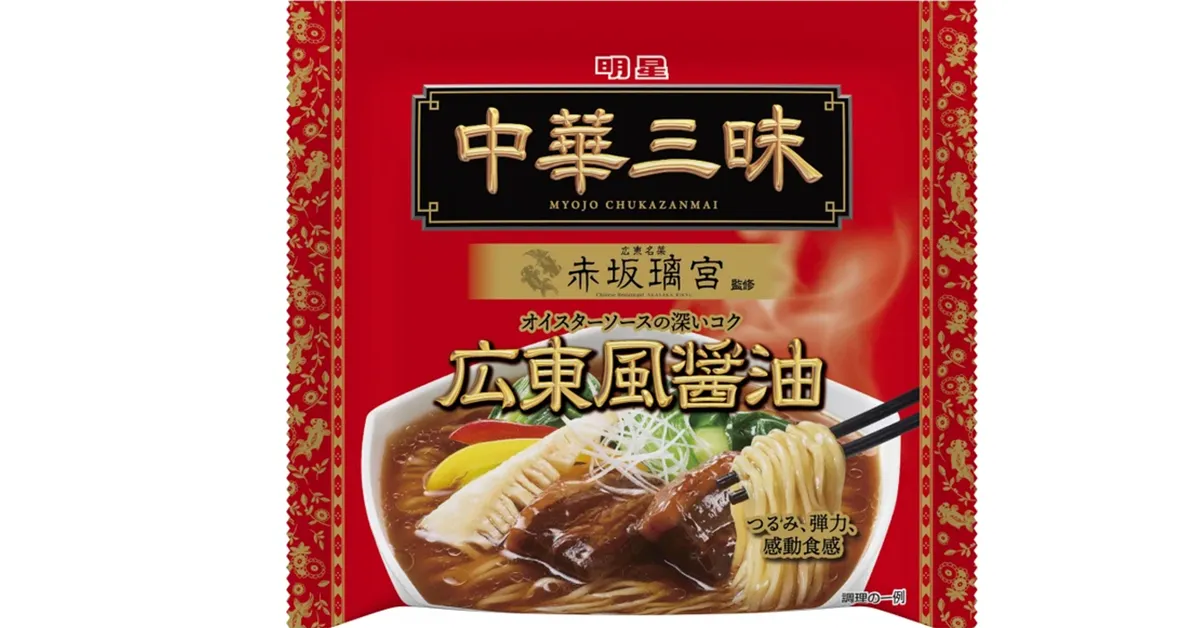
6. Myojo Chukazanmai : Pioneer of Gourmet Chinese-Style Non-Fried Noodles
Origin: Japan
Parent Company: Myojo Foods (Nissin Foods Group)
Launched: 1981
Core Advantage: High-density kneading and premium non-fried restaurant elasticity
Created to bring upscale Cantonese and Sichuan noodle shop flavors into home kitchens, Chukazanmai was among the first commercial bagged noodles in Japan to replace flash-frying with high-density, non-fried noodles.
Its noodle strands feature high tensile strength and resilience, designed specifically to hold up against thick, starchy, and aromatically complex Chinese-style broths.
7. Itsuki Foods : Century-Old Craft in Straight Dry Ramen
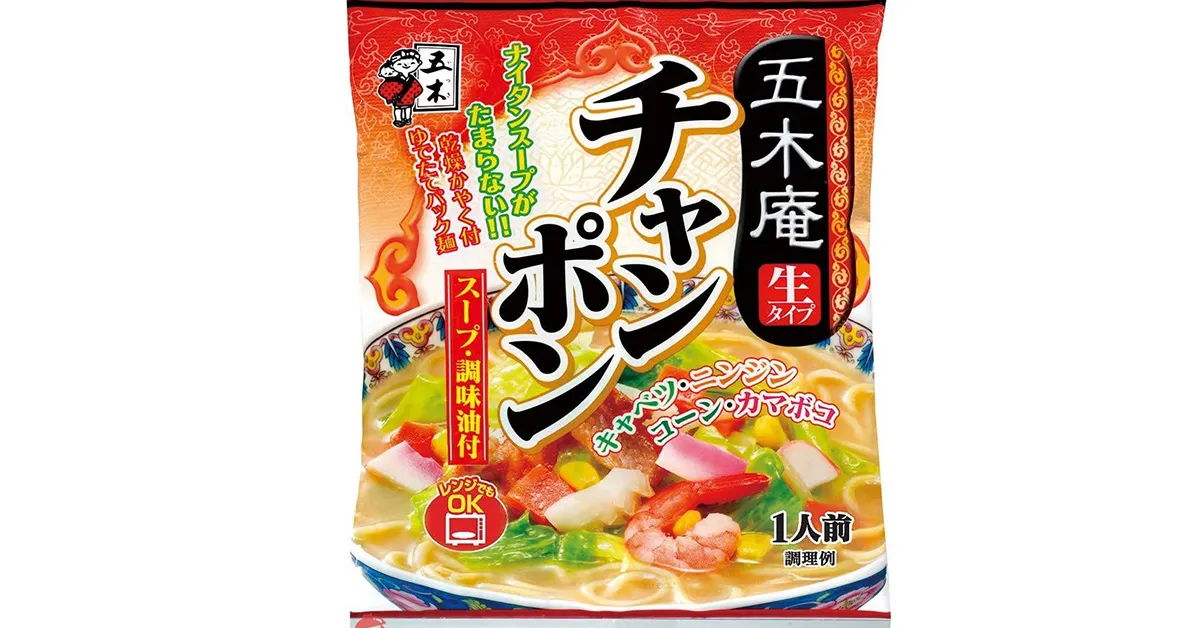
Origin: Kumamoto, Japan
Founded: 1878 (as Sumio Seimen)
Core Advantage: Traditional straight rod noodles (Bou-ramen), regional artisanal broths
With a lineage extending over 140 years, Itsuki Foods is an authority in traditional Japanese dried noodles (kan-men). Renowned for its straight, non-curly “Bou-Ramen” format, Itsuki utilizes long, low-temperature dehydration to maintain clean gluten structures.
Unlike ultra-processed instant cakes, Itsuki offers a bridge between traditional artisanal dry noodles and contemporary rapid-boil meals.
8. Nongshim (Shin Ramyun Non-Fried): Industrial Scale Hot-Air Expansion
Origin: South Korea
Parent Company: Nongshim Co., Ltd.
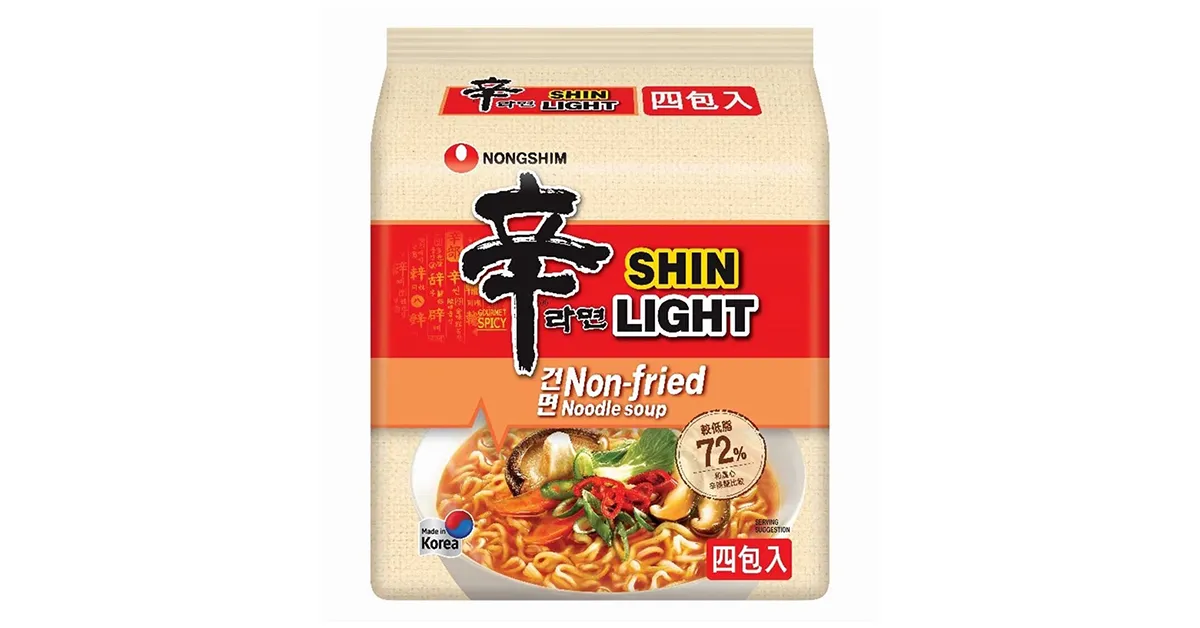
Key Innovation: Shin Ramyun Non-Fried (건면 / Air-Dried), introduced in 2019
Core Advantage: 30% calorie reduction with Korean chewy elasticity
To satisfy modern wellness trends without sacrificing its iconic fiery beef broth, Nongshim developed the “Shin Ramyun Non-Fried” line.
By replacing the traditional deep-frying step with a pressurized multi-stage hot-air drying tunnel, Nongshim lowered the fat profile by roughly 70% and reduced overall calories to approximately 350 kcal per serving, while retaining the signature chewy, bouncy bite essential to Korean ramyun.
9. Koyo: Certified Organic Heritage & Clean-Label Simplicity
Origin: United States
Parent Company: Koyo Foods (Roots dating to 1976)
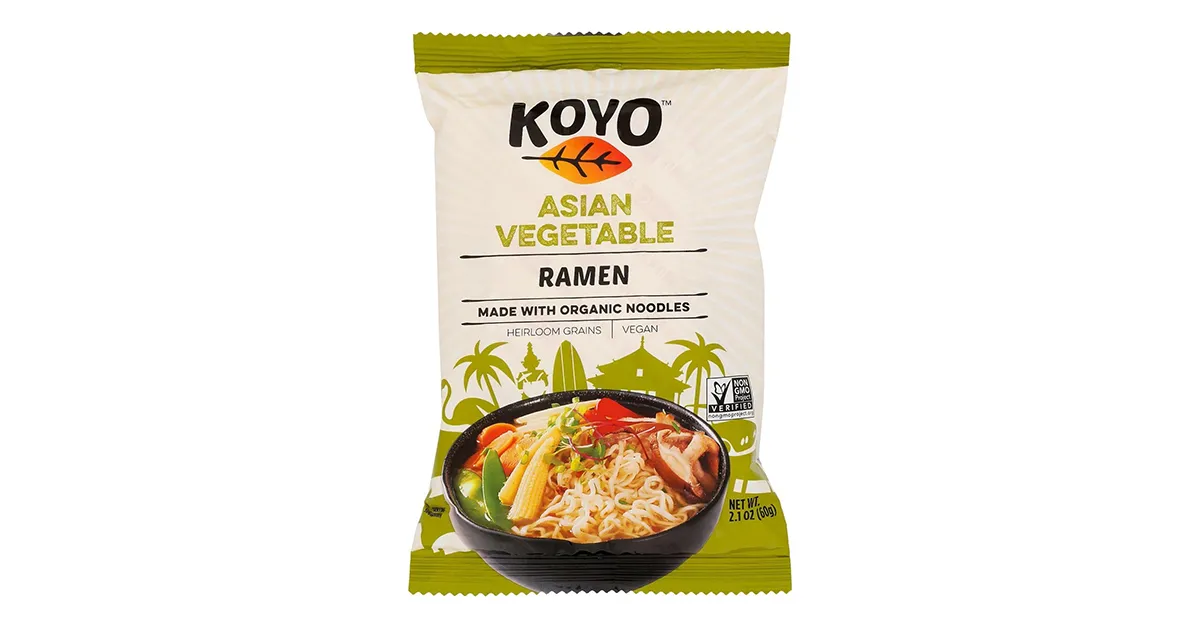
Core Advantage: USDA Organic certified, non-GMO, clean-label air-drying
Targeting natural grocery channels (such as Whole Foods and specialty organic retailers) in North America, Koyo utilizes domestically grown, certified organic wheat and pure mountain well water.
The noodles are expertly baked and steam-dried rather than fried, featuring subtle, umami-focused vegetable and miso broths free from added MSG, preservatives, and synthetic additives.
10. Mike’s Mighty Good: Craft-Brewed Broths & Mass-Market Premiumization
Origin: United States
Founded: 2014 by Mike Vinnicombe
Core Advantage: Steamed not fried, rich craft bone broths, reduced sodium profile
Recognizing the stark gap between cheap commercial instant ramen and high-end artisanal ramen bars in the US, Mike’s Mighty Good developed a proprietary steaming-and-drying line for its noodles.
Each batch is made daily in California using simple wheat flour. Combined with slow-cooked liquid broth bases and lower sodium counts, the brand delivers a convenient cup-and-bag product tailored to millennial and Gen-Z consumers.
Key B2B Evaluation Criteria for Non-Fried Ramen Sourcing
For retail buyers, brand founders, and importers assessing potential non-fried contract manufacturers:
Processing Methodology: Differentiate between hot-air dehydrated (rapid cooking, classic springiness), steam-baked (tender, clean mouthfeel), and wind-dried (dense, chewy, traditional artisanal bite).
Rehydration Performance: Non-fried noodles typically require longer cook times (3.5 to 7 minutes) or higher-heat water retention. Assess whether your target customer prefers instant boiling-water soaking (cup format) or stovetop cooking.
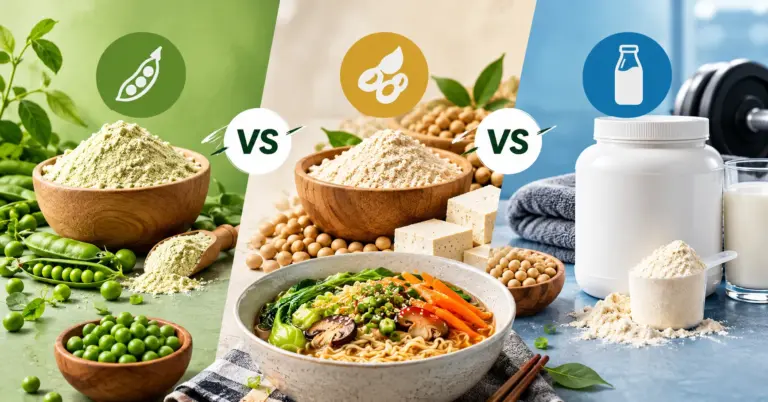
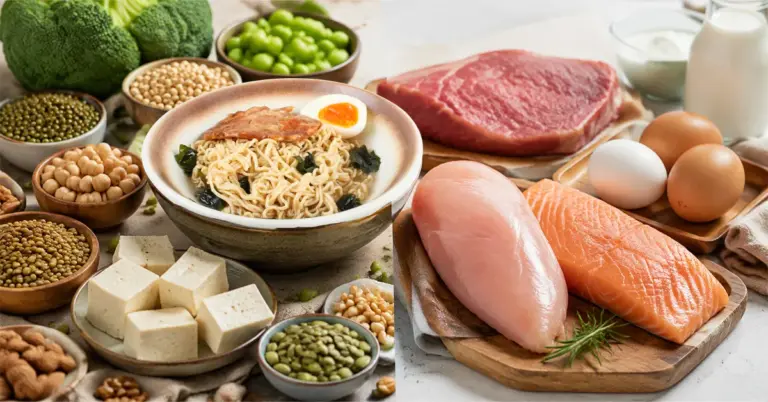
Nutritional Architecture: Verify whether the base recipe incorporates protein fortification (pea/soy protein, wheat gluten) and dietary fibers (such as konjac), which justify a premium wellness price tier over standard refined-flour noodles.