If you are navigating life with Polycystic Ovary Syndrome (PCOS), you have likely heard the familiar—and often frustrating—dietary advice: “Just cut out carbs and lose weight.” Yet anyone who has lived with PCOS knows that standard weight-loss advice rarely accounts for the complex endocrine feedback loops driving your symptoms.
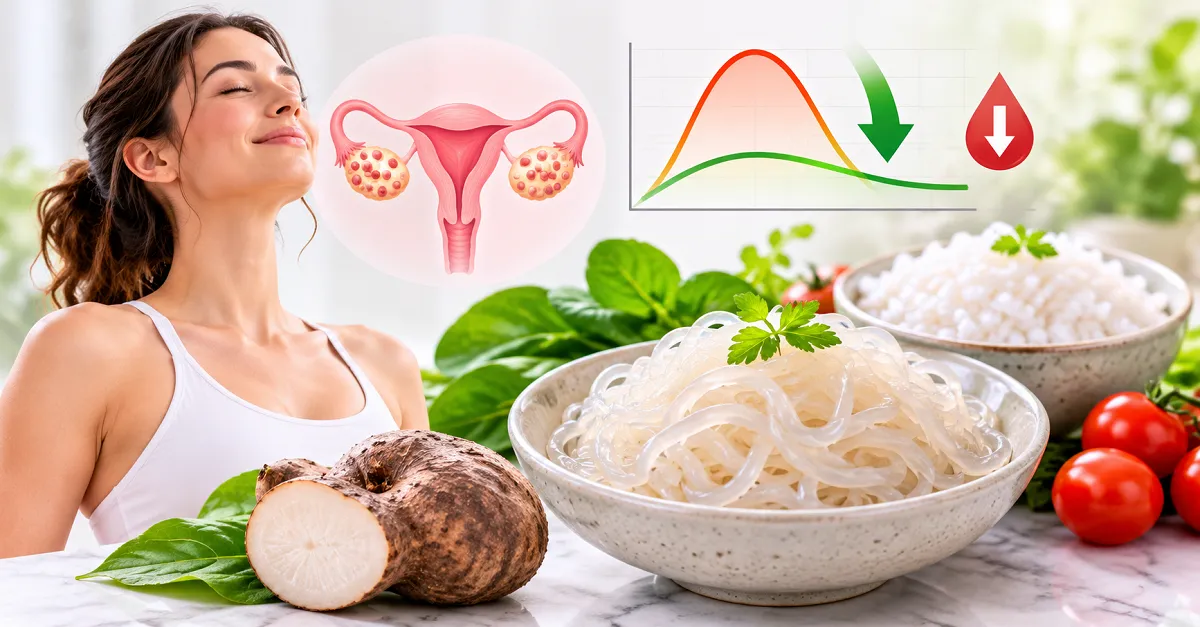
Up to 70% of women with PCOS experience underlying insulin resistance, regardless of body weight. When you eat conventional refined carbohydrates like white rice or wheat pasta, blood glucose rises rapidly. In response, the pancreas pumps out excess insulin. Elevated circulating insulin then stimulates the ovaries to produce excess androgens (such as testosterone), triggering irregular cycles, stubborn abdominal weight gain, hormonal acne, and relentless afternoon fatigue.
Breaking this insulin-androgen cycle does not mean you must banish comforting bowls of pasta or rice from your table forever. By upgrading your staple carbohydrates to foods rich in viscous dietary fiber, you can keep the volume, texture, and satisfaction of your favorite meals while protecting your metabolic health.
In this guide, we examine the clinical science behind konjac root—specifically its active viscous fiber, glucomannan—and show how integrating konjac staples into your polycystic ovary syndrome diet helps flatten insulin spikes, restore hormonal balance, and simplify everyday meal prep.
1.The Science of Viscous Fiber: How Glucomannan Improves Insulin Sensitivity
Not all dietary fibers behave the same way inside the human digestive tract. While insoluble fibers (such as wheat bran or celery stalks) add physical bulk and accelerate intestinal transit, viscous soluble fibers undergo a profound physical transformation when mixed with water.
What Makes Konjac Fiber Unique? (Viscosity & Gel Matrix)
Derived from the underground corm of the Amorphophallus konjac plant, konjac flour consists predominantly of glucomannan—a high-molecular-weight, water-soluble polysaccharide composed of D-mannose and D-glucose chains.
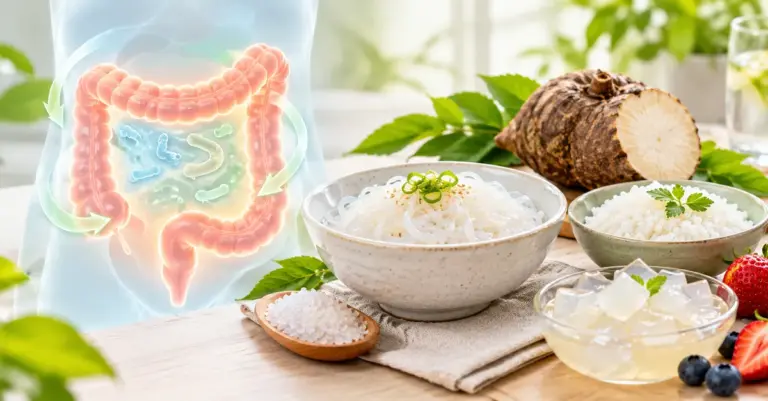
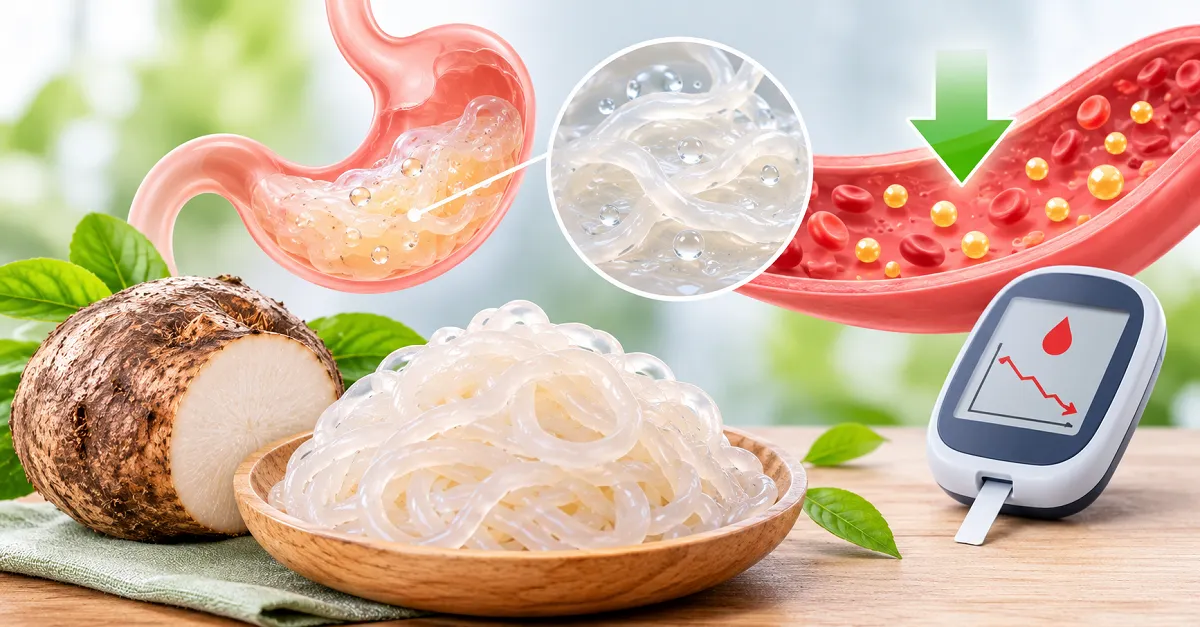
Glucomannan possesses the highest water-holding capacity and viscosity of any known natural dietary fiber. When hydrated in the stomach, purified konjac fiber absorbs up to 50 times its dry weight in water, expanding into a soft, cohesive, gel-like matrix.
Slowing Gastric Emptying & Flattening the Insulin Spike
This gelatinous matrix acts as a natural physiological speed bump throughout your upper digestive system:
- Delayed Gastric Emptying: Because the viscous gel adds thickness and volume to stomach contents (chyme), it slows the rate at which food exits the stomach and enters the small intestine. Instead of flooding your bloodstream with glucose all at once, nutrients trickle in steadily over several hours.
- Enzymatic Diffusion Barrier: Inside the small intestine, glucomannan forms a gentle, unstirred water layer along the intestinal wall. This slows down digestive enzymes (like pancreatic alpha-amylase) from rapidly breaking down co-ingested starches and sugars, directly supporting glucomannan insulin sensitivity.
- Blunted Postprandial Insulin Surges: When blood sugar rises gradually rather than spiking, your pancreas requires significantly less insulin to clear glucose into muscle and fat cells.
Downstream Hormonal Balance (SHBG & Androgen Reduction)
Lowering post-meal insulin spikes sets off a positive endocrine cascade across the body. High insulin suppresses the liver’s production of Sex Hormone-Binding Globulin (SHBG)—a vital transport protein that binds to excess testosterone in the bloodstream and keeps it inactive.
When insulin levels stabilize, hepatic SHBG production rebounds. Higher SHBG binds more free testosterone, easing androgen-driven symptoms over time. Choosing low-glycemic noodles for hormonal balance is therefore far more than a calorie-cutting trick; it is a targeted nutritional strategy that addresses the hormonal root of PCOS.
2. Why Konjac Fits Every Major PCOS Dietary Approach
Because PCOS manifests differently from woman to woman, healthcare practitioners often recommend varied nutritional frameworks. Fortunately, konjac staples align seamlessly across virtually every evidence-based dietary pattern.
| PCOS Dietary Approach | The Traditional Staple Challenge | How Konjac Staples Solve It | Target Metabolic Benefit |
| Low Glycemic Index Diet for PCOS | White rice (GI ~73) and refined pasta (GI ~65) trigger rapid glucose and insulin surges. | Konjac carries a Glycemic Index near 0 and lowers the overall glycemic load of the entire meal. | Prevents post-meal energy crashes and reduces ovarian androgen stimulation. |
| Low Calorie Diet for PCOS & Weight Loss Plan | Severe calorie restriction triggers hunger hormones (ghrelin), slowing metabolic rate and causing cravings. | High-viscosity glucomannan activates gastric stretch receptors with only 5–10 kcal per 100g. | Delivers sustained fullness so you maintain a gentle calorie deficit without deprivation. |
| Keto Diet with PCOS | Strict net-carb limits (20–30g/day) make traditional grains, noodles, and rice off-limits. | Contains virtually zero net carbohydrates; nearly 100% of total carbs come from indigestible fiber. | Allows hearty noodle bowls and stir-fries without disrupting nutritional ketosis. |
| PCOS and Vegan Diet | Plant-based eaters often rely heavily on high-starch grains or legumes, inadvertently spiking insulin. | 100% plant-derived, naturally gluten-free, soy-free, and zero animal ingredients. | Provides a clean, anti-inflammatory base that pairs effortlessly with tofu, tempeh, and vegetables. |
| Type 2 Diabetes and PCOS Diet | Women with PCOS face a 4-fold higher risk of developing Type 2 diabetes before age 40. | Clinically shown to improve fasting blood glucose, HbA1c, and postprandial lipid profiles. | Acts as a medical-grade dietary buffer against prediabetes progression. |
3. Upgrading Your PCOS Diet Food List: Best Staple Swaps
Building a sustainable PCOS diet food list means replacing high-glycemic staples with upgrades you genuinely look forward to eating. Rather than settling for watery vegetable spirals that leave you hungry an hour later, konjac-based grains offer real structure and culinary versatility.
Best PCOS-Friendly Pasta Alternative: Wet Konjac Noodles
Many women with PCOS also experience heightened gut sensitivity, bloating, or mild reactivity to wheat gluten. Conventional pasta can leave you feeling sluggish, inflamed, and foggy-headed.
Swapping regular spaghetti or ramen for Hethstia Wet Konjac Noodles transforms pasta night into a hormone-supportive meal. Packed in purified water to preserve their delicate, springy structure, these noodles deliver:
- True Zero Net Carbs: Zero impact on blood glucose or insulin secretion.
- Satisfying Al Dente Chew: Unlike mushy zucchini noodles, konjac holds its bite under rich tomato ragùs, basil pesto, bone broths, or creamy tahini dressings.
- Effortless Preparation: Ready in under three minutes—making them an ideal PCOS-friendly pasta for busy weeknights when exhaustion might otherwise push you toward takeout.
Best PCOS Friendly Rice Alternative: Dry Konjac Rice
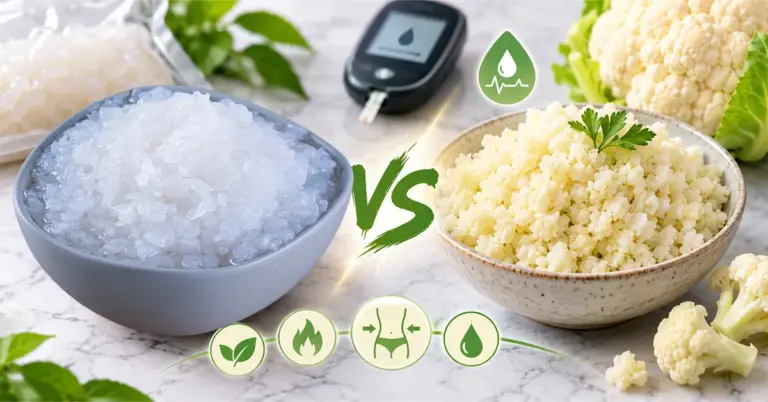
Rice is a non-negotiable comfort food in households worldwide, yet even brown rice contains roughly 45 grams of carbohydrates per cooked cup. While cauliflower rice is a popular substitute, it often releases excess water in the pan, turns mushy, and spoils within days in the refrigerator.
Stocking your pantry with Hethstia Dry Konjac Rice solves both the texture and storage challenges of traditional low-carb rice alternatives. Formulated as dehydrated, pearl-shaped grains, this PCOS-friendly rice offers distinct advantages:
- Authentic Grain Texture: Once simmered in water, the grains plump up into opaque, tender pearls that mimic steamed short-grain white rice without any rubberiness.
- 24-Month Ambient Shelf Stability: Requires no refrigeration until cooked, making it effortless to keep on hand for batch meal prep.
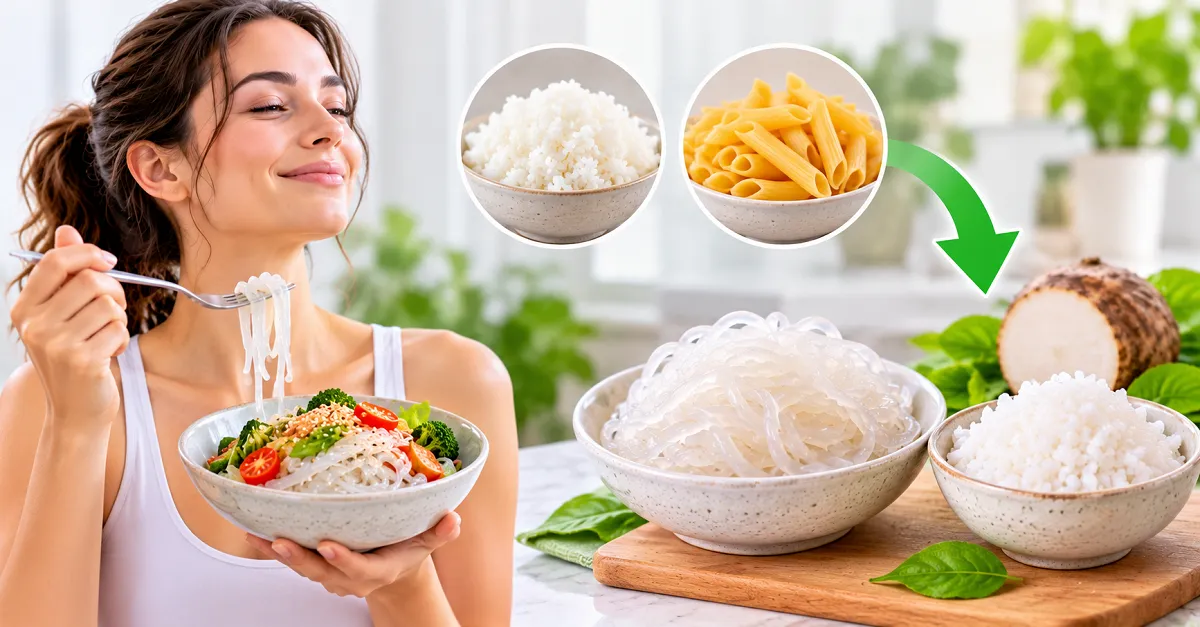
- The “Half-and-Half” Transition Trick: If you are easing off white or jasmine rice, cook a 50/50 blend of regular rice and rehydrated dry konjac rice. The viscous glucomannan matrix coats the regular rice starches, dramatically blunting the glycemic spike of the entire bowl while preserving familiar flavor.
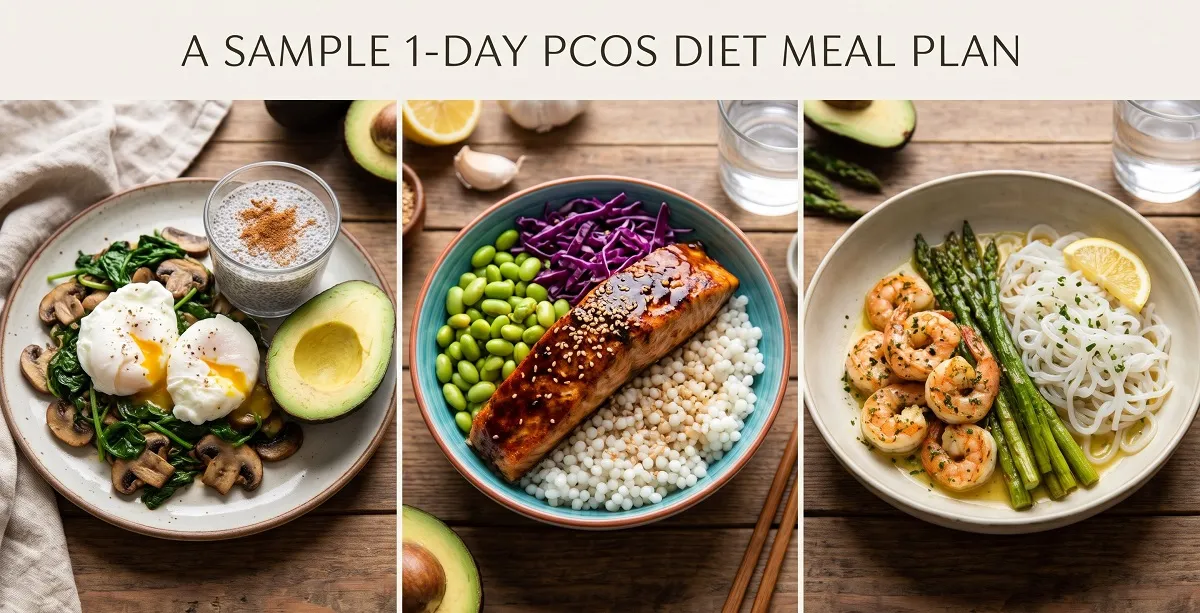
4. A Sample 1-Day PCOS Diet Meal Plan (Featuring Konjac Staples)
Putting theory into practice works best when meals balance protein, healthy anti-inflammatory fats, and viscous fiber. Here is a realistic, blood-sugar-stabilizing PCOS diet meal plan designed to keep insulin steady from morning to night:
Breakfast: Anti-Inflammatory Savory Greens & Eggs
- Menu: Two pasture-raised eggs poached over sautéed baby spinach and cremini mushrooms, served with half a sliced avocado and a side of unsweetened chia seed pudding topped with cinnamon.
- Why It Works for PCOS: Starting the morning with 20+ grams of protein, monounsaturated fats, and soluble chia fiber anchors morning cortisol levels and prevents mid-morning sugar cravings.
Lunch: Omega-3 Teriyaki Salmon & Veggie Bowl
- Menu: Wild-caught salmon fillet glazed in coconut aminos and ginger, served over 1 cup of cooked Hethstia Dry Konjac Rice with steamed edamame, shredded purple cabbage, and toasted sesame seeds.
- Why It Works for PCOS: Combines EPA/DHA anti-inflammatory fatty acids with zero-spike konjac rice and plant protein. You finish lunch feeling energized and satisfied—without the 2:00 PM insulin crash.
Afternoon Snack: Hormone-Supportive Antioxidant Bite
- Menu: Plain, unsweetened Greek yogurt (or coconut yogurt for PCOS and a vegan diet) topped with a handful of fresh blueberries, raw walnuts, and pumpkin seeds (rich in zinc for ovarian health).
- Why It Works for PCOS: Polyphenols from berries combat oxidative stress common in PCOS, while zinc and magnesium support progesterone synthesis.
Dinner: Garlic Herb Shrimp & Asparagus Pasta
- Menu: Wild shrimp (or marinated tempeh) sautéed in extra-virgin olive oil, garlic, lemon zest, and roasted asparagus spears, tossed with Hethstia Wet Konjac Noodles and nutritional yeast.
- Why It Works for PCOS: Keeping dinner low-glycemic prevents nocturnal insulin elevations, promoting deeper restorative sleep and overnight cellular repair.
5. Practical Tips for Adding Konjac Fiber to Your Routine
Because glucomannan is a concentrated, functional prebiotic fiber, a few simple kitchen habits will help you get the best culinary and digestive experience from day one.
1. Start Low and Go Slow
If your current diet is relatively low in fiber, introducing large amounts of glucomannan overnight can cause temporary bloating or mild gas as your gut microbiome adjusts. Begin with one 100-gram serving per day for the first 5 to 7 days. As beneficial gut bacteria ferment the soluble fiber into anti-inflammatory short-chain fatty acids (like butyrate), digestive comfort and regularity naturally improve.
2. Follow the Hydration Rule
Viscous dietary fiber needs plenty of liquid to form a smooth, hydrating gel in your stomach. Always drink at least one full glass of water (250–300 ml) with meals that include konjac noodles or rice. Proper hydration maximizes satiety signals and ensures smooth gastrointestinal transit.
3. Master the 3-Step "Dry-Parching" Technique for Wet Noodles
When opening a pouch of wet konjac noodles, you may notice a faint, earthy aroma from the food-grade calcium hydroxide water used to set the natural fiber gel. Removing it and maximizing sauce absorption takes less than three minutes:
- Rinse: Drain the noodles in a fine-mesh strainer and rinse under cold running water for 60 seconds.
- Flash Blanch: Boil in fresh water with a splash of lemon juice or apple cider vinegar for 2 minutes to neutralize alkalinity.
- Dry-Parch: Drain thoroughly and toss the noodles in a dry, oil-free skillet over medium-high heat for 2 minutes until surface moisture evaporates. Once dry, the microscopic pores of the noodles act like tiny sponges, soaking up your favorite sauces immediately.

6. Frequently Asked Questions (FAQs)
1. Can I eat konjac noodles every day on a PCOS diet?
Yes, konjac noodles are safe for daily consumption as part of a balanced, healthy food for PCOS routine. Because they contain virtually zero calories and zero digestible sugars, they will not overload your carbohydrate budget. Simply pair them with adequate lean protein, colorful non-starchy vegetables, and healthy fats to ensure you meet your daily micronutrient needs.
2. Is konjac rice better than brown rice or quinoa for PCOS insulin resistance?
For strict insulin resistance management, konjac rice offers a major glycemic advantage. While brown rice and quinoa contain valuable minerals, a single cooked cup still delivers 35 to 45 grams of digestible carbohydrates, which can trigger significant insulin secretion in carbohydrate-sensitive women with PCOS. Konjac rice provides the same satisfying meal volume with near-zero net carbs and a glycemic index close to zero.
3. Does glucomannan help with PCOS belly fat and weight loss?
Yes. Clinical trials on glucomannan demonstrate modest, consistent reductions in body weight and waist circumference when paired with a balanced diet. By slowing gastric emptying, activating fullness hormones (such as GLP-1 and PYY), and lowering circulating insulin—the primary hormone responsible for storing visceral abdominal fat—konjac fiber directly supports a sustainable PCOS weight-loss plan.
4. Is konjac pasta safe if I follow a vegan or gluten-free PCOS diet?
Absolutely. Pure konjac pasta and rice are crafted from the root of the konjac plant and water, making them 100% vegan, grain-free, gluten-free, soy-free, and allergen-friendly. They are an ideal staple for women managing PCOS alongside celiac disease, non-celiac gluten sensitivity, or plant-based dietary preferences.
5. Will konjac fiber interfere with my PCOS supplements like Inositol or Berberine?
Because viscous glucomannan forms a thick gel in the stomach, taking oral medications or targeted supplements at the exact same moment as a large konjac meal may slightly slow their absorption rate. As a simple precaution, take supplements such as myo-inositol, berberine, or prescription medications at least 60 minutes before or 2 to 3 hours after eating konjac-rich meals.